Steve Purkiss Health Insights - Page 4
17
Jan
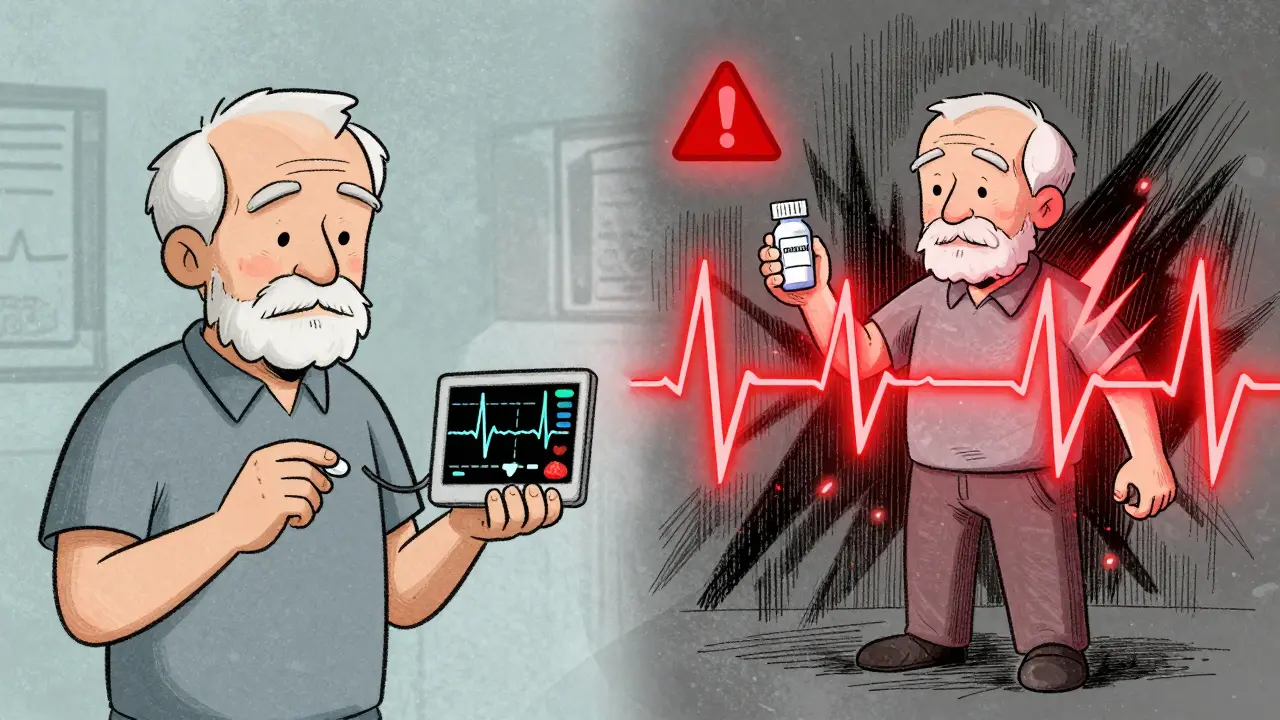
Dofetilide and Cimetidine: Why This Drug Pair Can Trigger Deadly Heart Rhythms
Dofetilide and cimetidine together can cause life-threatening heart rhythms. This interaction increases QT prolongation risk by up to 4 times, leading to torsades de pointes. Learn why this combo is strictly contraindicated and what to use instead.
16
Jan
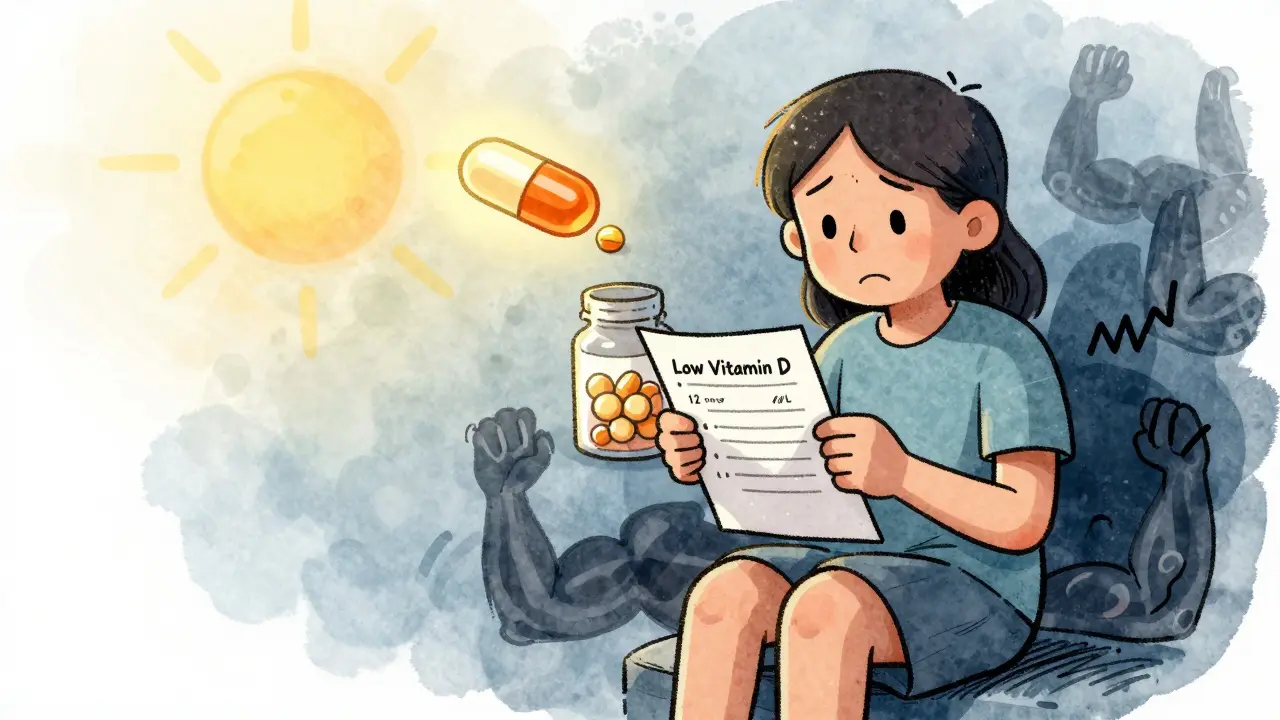
Vitamin D and Statin Tolerance: What the Evidence Really Shows
Does vitamin D help you tolerate statins? Research shows mixed results. While some patients benefit, large trials find no overall effect. Learn who might still help and what to do if statins cause muscle pain.
15
Jan
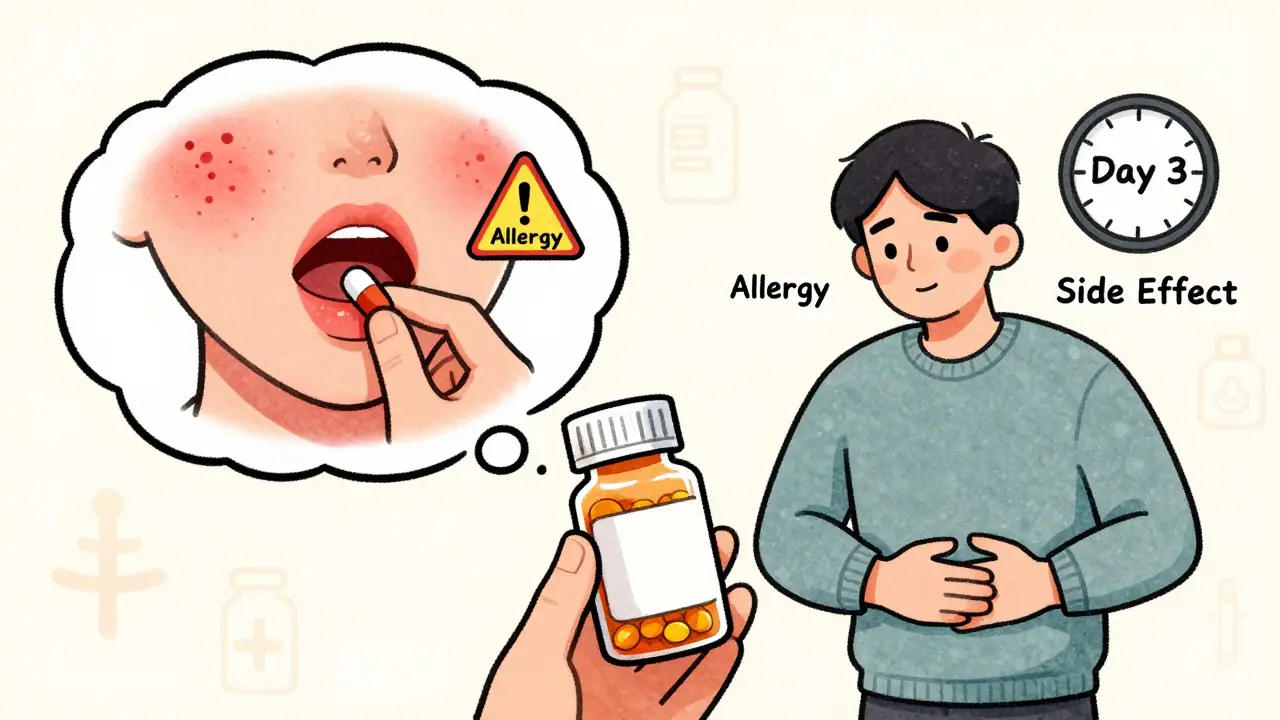
How to Tell a Side Effect from a True Drug Allergy
Most people confuse side effects with true drug allergies. Learn how to tell the difference-why it matters, what symptoms to watch for, and how to get tested. Your next prescription could depend on it.
14
Jan
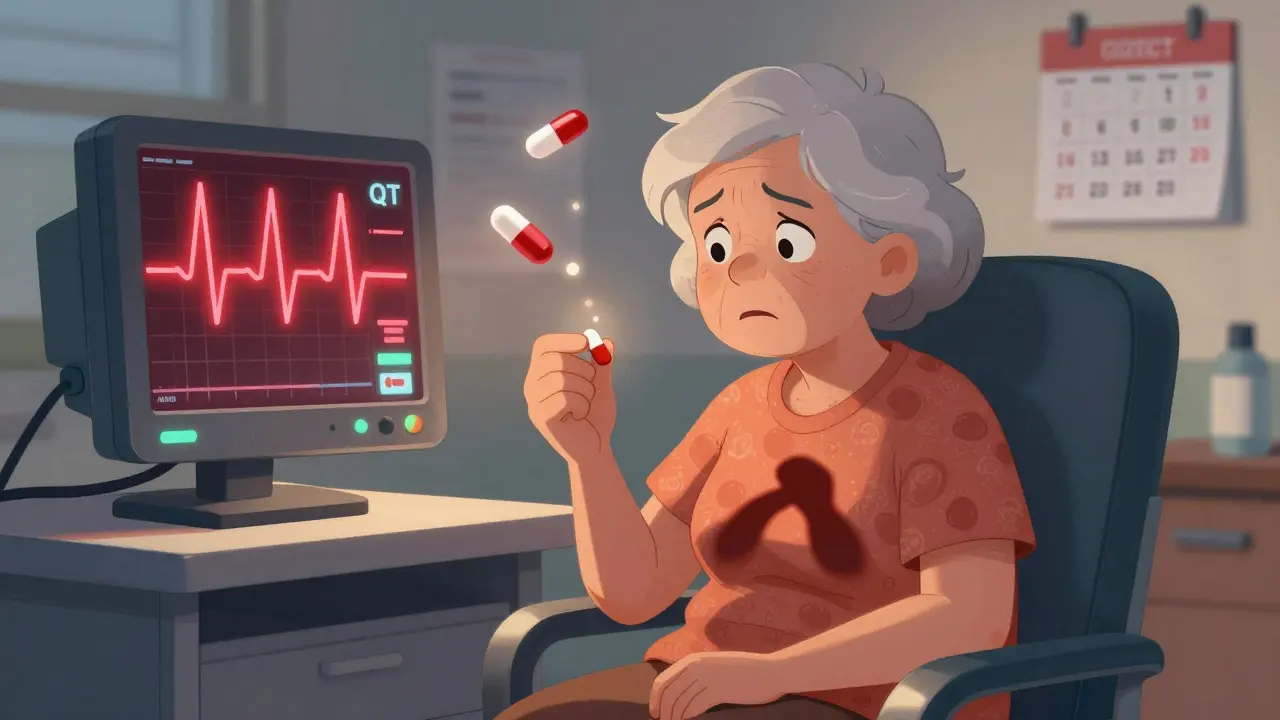
QT Prolongation with Fluoroquinolones and Macrolides: Monitoring Strategies
Fluoroquinolones and macrolides can cause dangerous QT prolongation, leading to life-threatening arrhythmias. Learn how to monitor ECGs, recognize high-risk patients, and choose safer alternatives to prevent cardiac events.
13
Jan
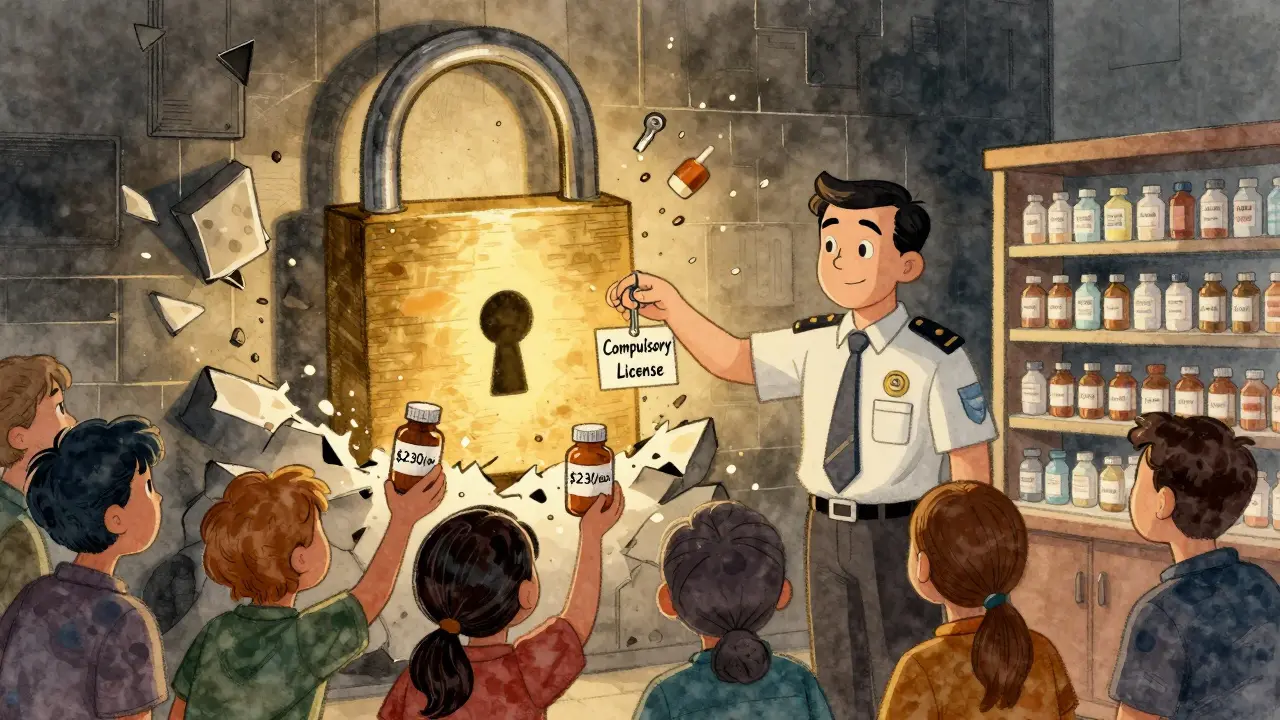
Compulsory Licensing: How Governments Can Override Patents to Protect Public Health
Compulsory licensing lets governments authorize generic production of patented drugs during health crises. It's a legal tool used to save lives when prices are too high-seen in India, Brazil, and Thailand, and now evolving globally.

12
Jan
How to Check for Drug Interactions That Increase Overdose Risk
Learn how to spot dangerous drug combinations that raise overdose risk, including opioids with alcohol, benzodiazepines, and street drugs. Discover practical steps to check interactions, use naloxone, and talk to providers safely.
11
Jan
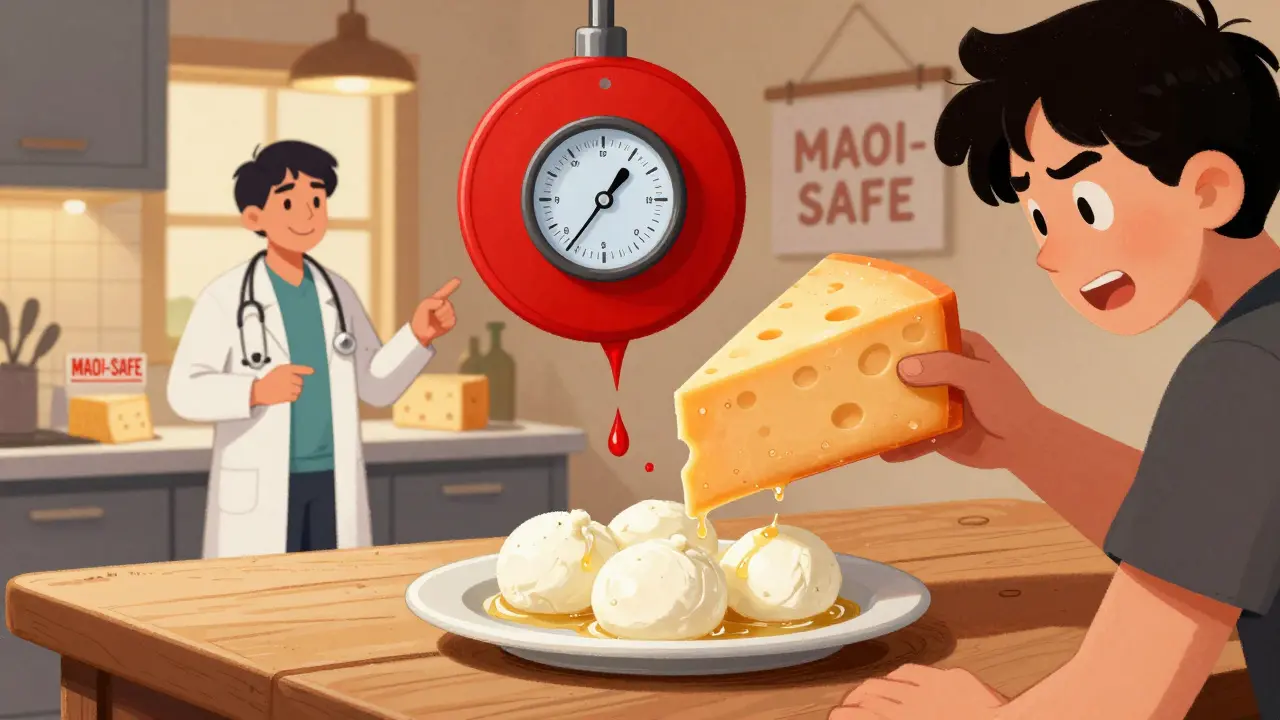
Aged Cheeses and Processed Meats: How They Interact Dangerously with MAOI Drugs
Aged cheeses and processed meats contain tyramine, which can cause life-threatening blood pressure spikes when taken with MAOI antidepressants. Learn which foods to avoid, safe alternatives, and how to prevent dangerous interactions.

10
Jan
Phenytoin and Generics: What You Need to Know About Therapeutic Drug Monitoring
Switching between brand-name and generic phenytoin can be risky due to its narrow therapeutic index and non-linear metabolism. Learn when and how to monitor levels to prevent seizures or toxicity.

9
Jan
Managing Multiple Medications: How to Reduce Drug Interactions and Stay Safe
Managing multiple medications safely means knowing which drugs are still necessary, spotting dangerous interactions, and working with your team to deprescribe when needed. Learn how to reduce risks and stay in control.
8
Jan
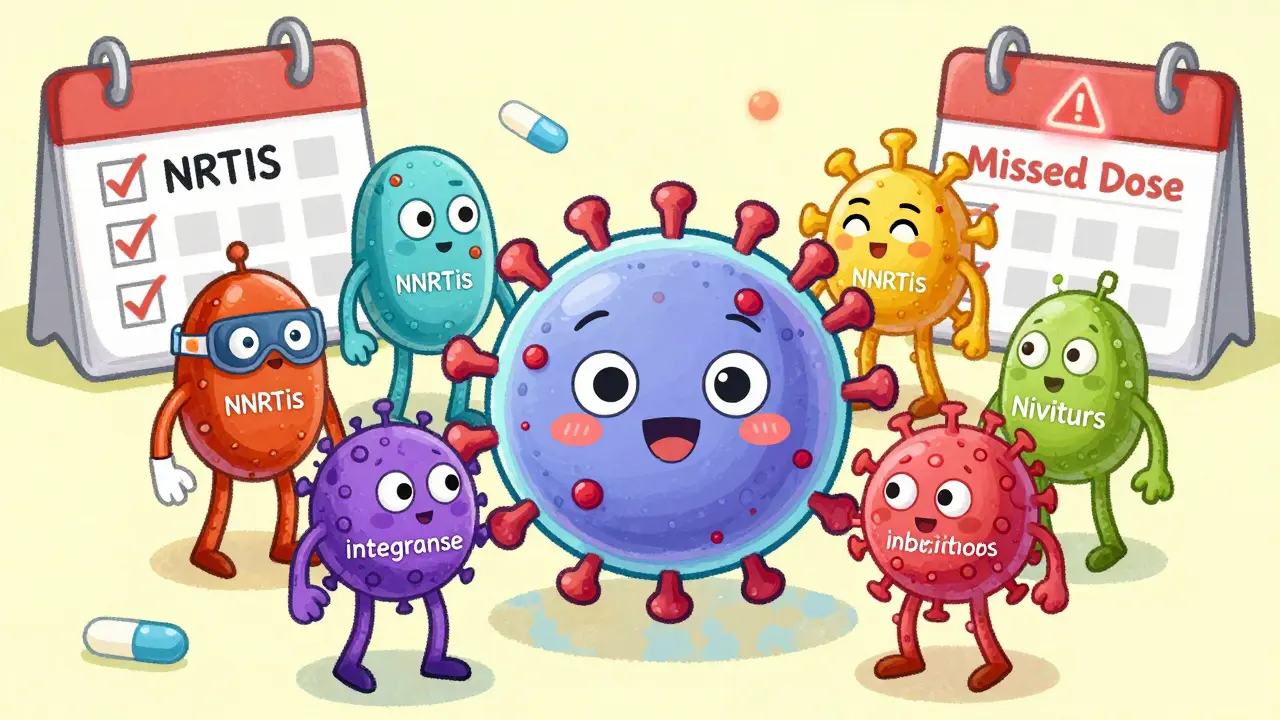
Antiretroviral HIV Medications: Understanding Complex Interactions and Drug Resistance
Antiretroviral HIV medications suppress the virus but face challenges from drug resistance and interactions. Learn how modern regimens work, why adherence matters, and what new treatments are changing the game.
7
Jan
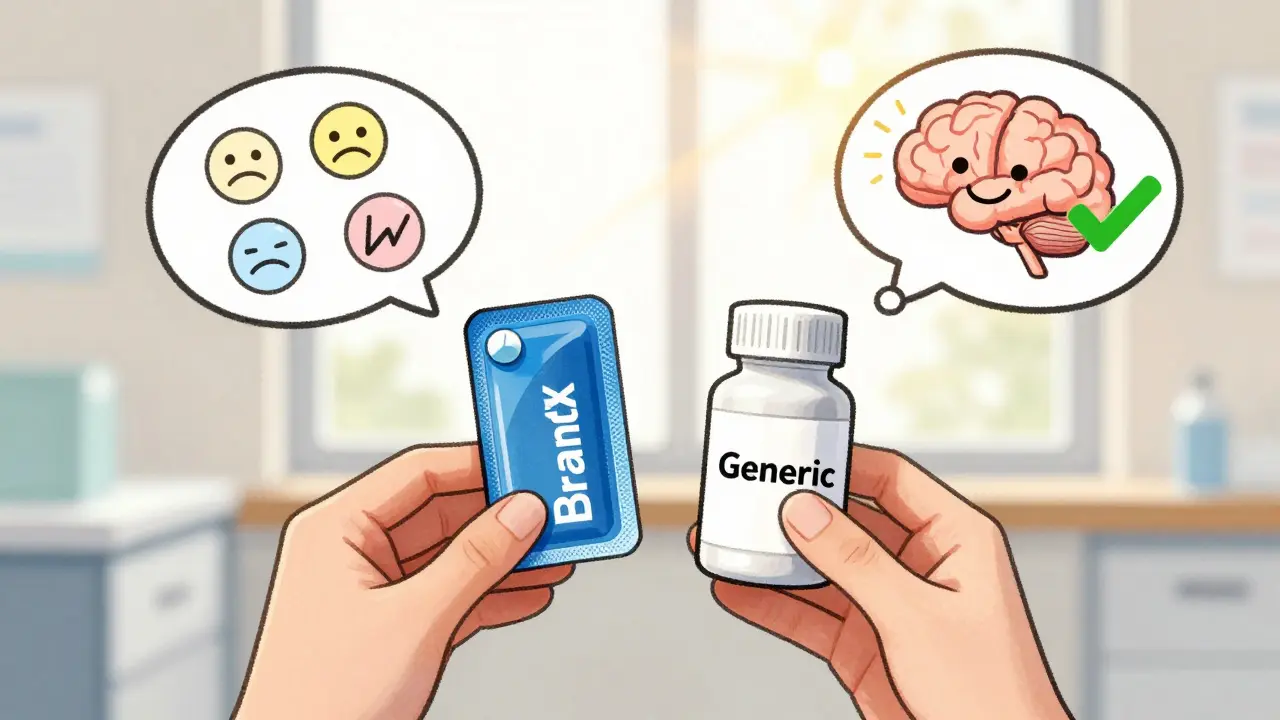
How to Manage Patient Perception and Nocebo Effects with Generic Medications
Generic medications work just like brand-name drugs, but patient perceptions can trigger real side effects due to the nocebo effect. Learn how expectations, packaging, and communication shape treatment outcomes-and what you can do about it.
6
Jan
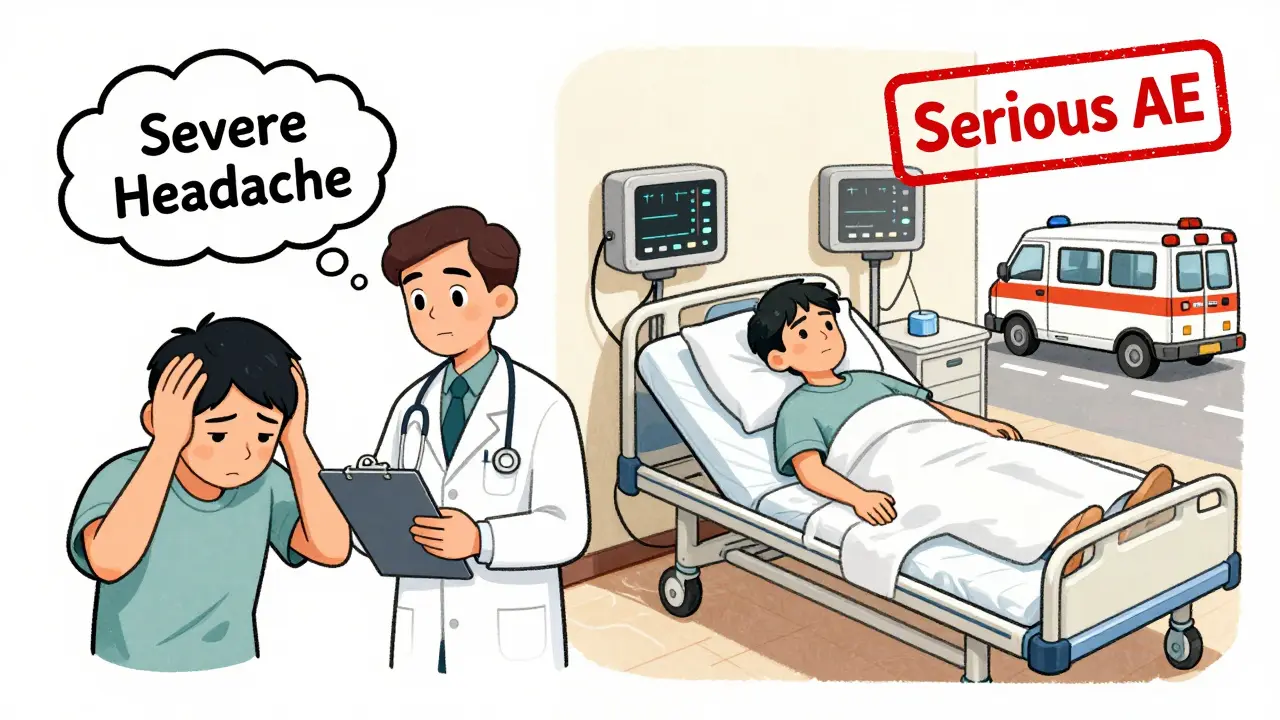
Serious vs Non-Serious Adverse Events: When to Report in Clinical Trials
Learn the critical difference between serious and non-serious adverse events in clinical trials-when to report each, why the distinction matters, and how to avoid common mistakes that delay real safety signals.