Category: Medications - Page 3
15
Jan
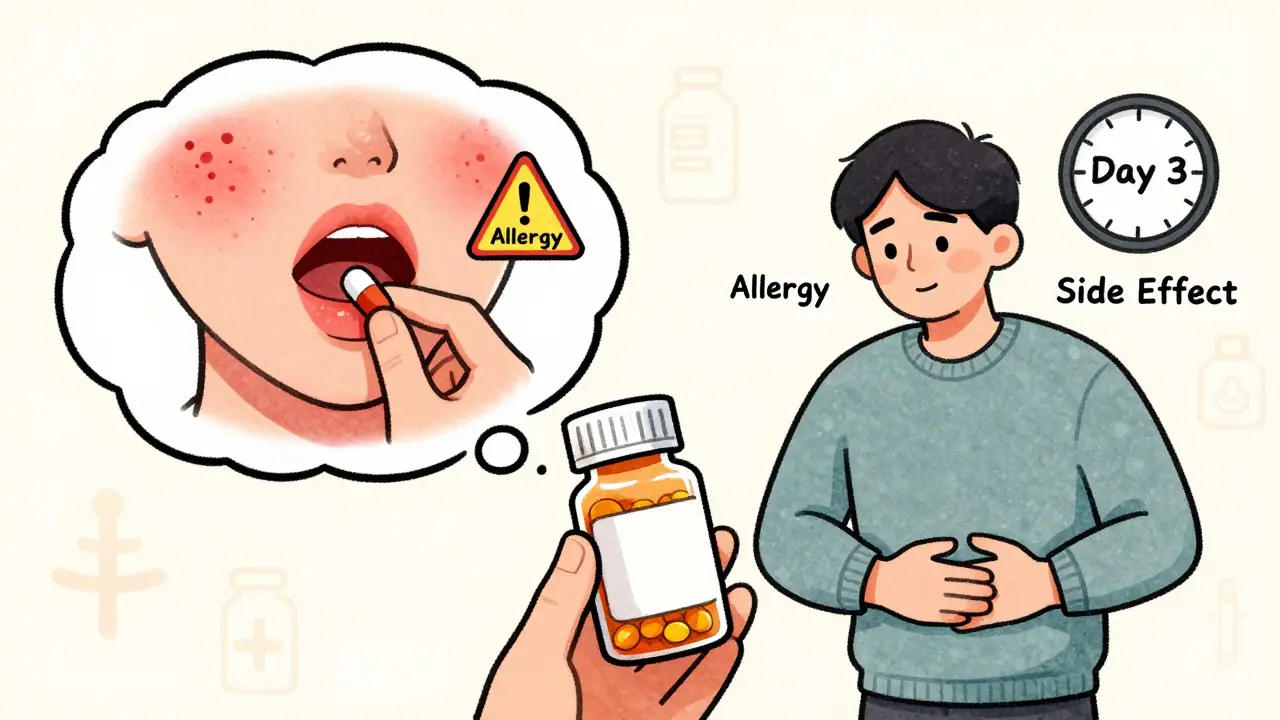
How to Tell a Side Effect from a True Drug Allergy
Most people confuse side effects with true drug allergies. Learn how to tell the difference-why it matters, what symptoms to watch for, and how to get tested. Your next prescription could depend on it.
14
Jan
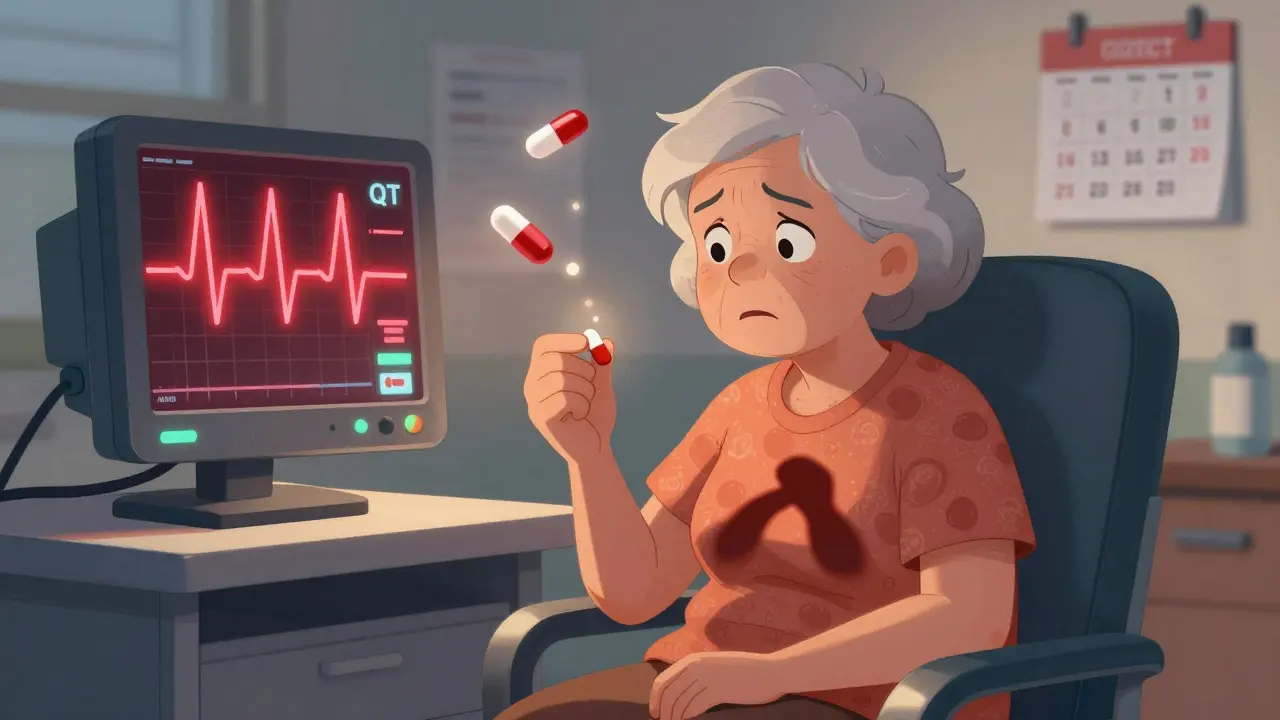
QT Prolongation with Fluoroquinolones and Macrolides: Monitoring Strategies
Fluoroquinolones and macrolides can cause dangerous QT prolongation, leading to life-threatening arrhythmias. Learn how to monitor ECGs, recognize high-risk patients, and choose safer alternatives to prevent cardiac events.

12
Jan
How to Check for Drug Interactions That Increase Overdose Risk
Learn how to spot dangerous drug combinations that raise overdose risk, including opioids with alcohol, benzodiazepines, and street drugs. Discover practical steps to check interactions, use naloxone, and talk to providers safely.
11
Jan
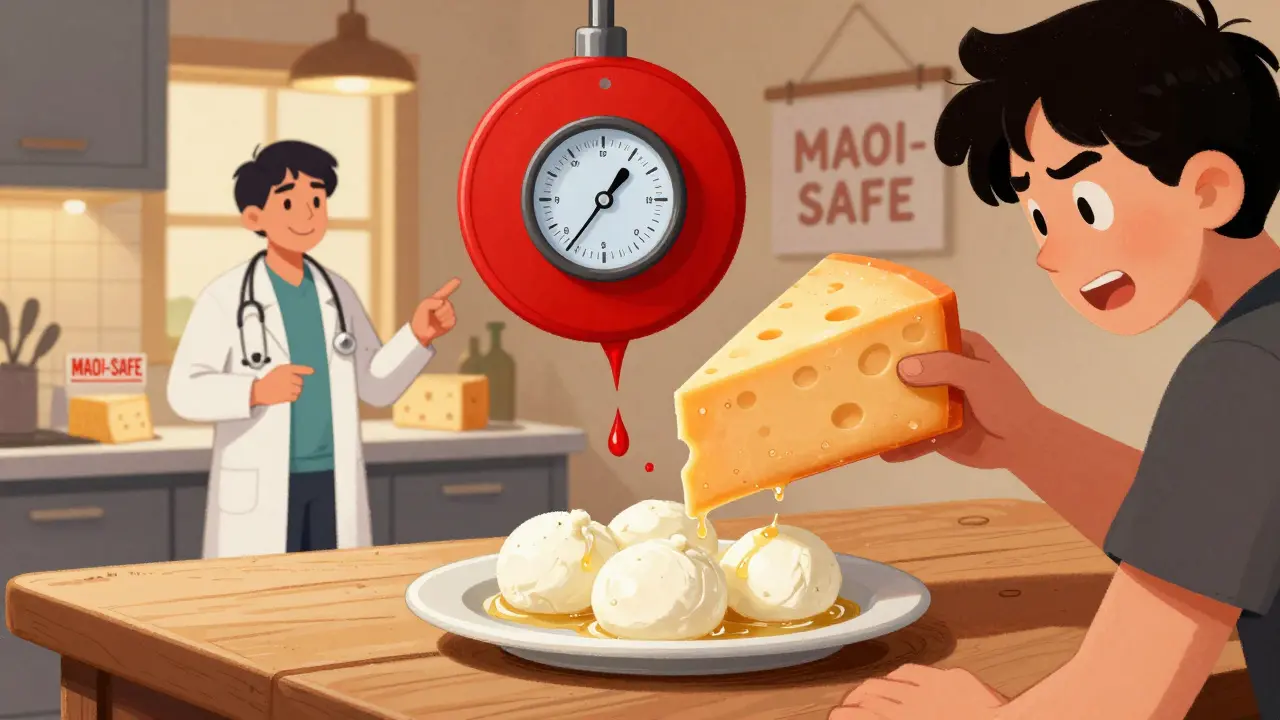
Aged Cheeses and Processed Meats: How They Interact Dangerously with MAOI Drugs
Aged cheeses and processed meats contain tyramine, which can cause life-threatening blood pressure spikes when taken with MAOI antidepressants. Learn which foods to avoid, safe alternatives, and how to prevent dangerous interactions.

10
Jan
Phenytoin and Generics: What You Need to Know About Therapeutic Drug Monitoring
Switching between brand-name and generic phenytoin can be risky due to its narrow therapeutic index and non-linear metabolism. Learn when and how to monitor levels to prevent seizures or toxicity.

9
Jan
Managing Multiple Medications: How to Reduce Drug Interactions and Stay Safe
Managing multiple medications safely means knowing which drugs are still necessary, spotting dangerous interactions, and working with your team to deprescribe when needed. Learn how to reduce risks and stay in control.
8
Jan
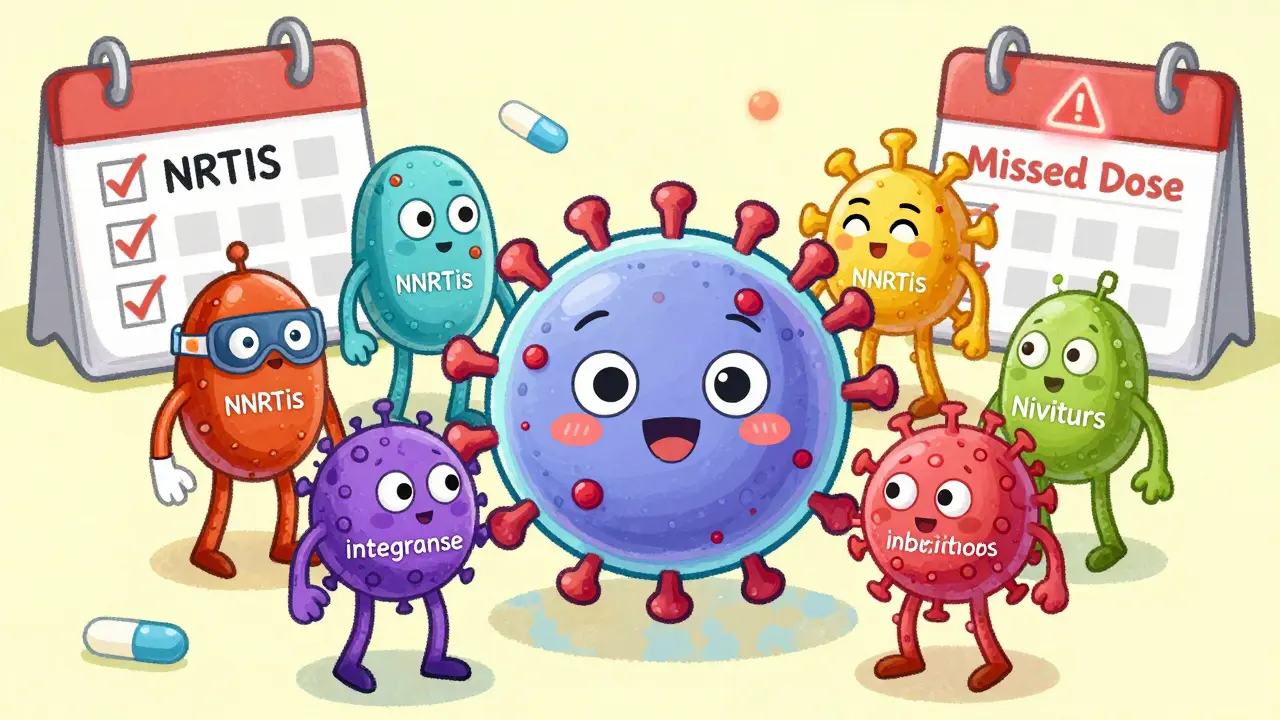
Antiretroviral HIV Medications: Understanding Complex Interactions and Drug Resistance
Antiretroviral HIV medications suppress the virus but face challenges from drug resistance and interactions. Learn how modern regimens work, why adherence matters, and what new treatments are changing the game.
7
Jan
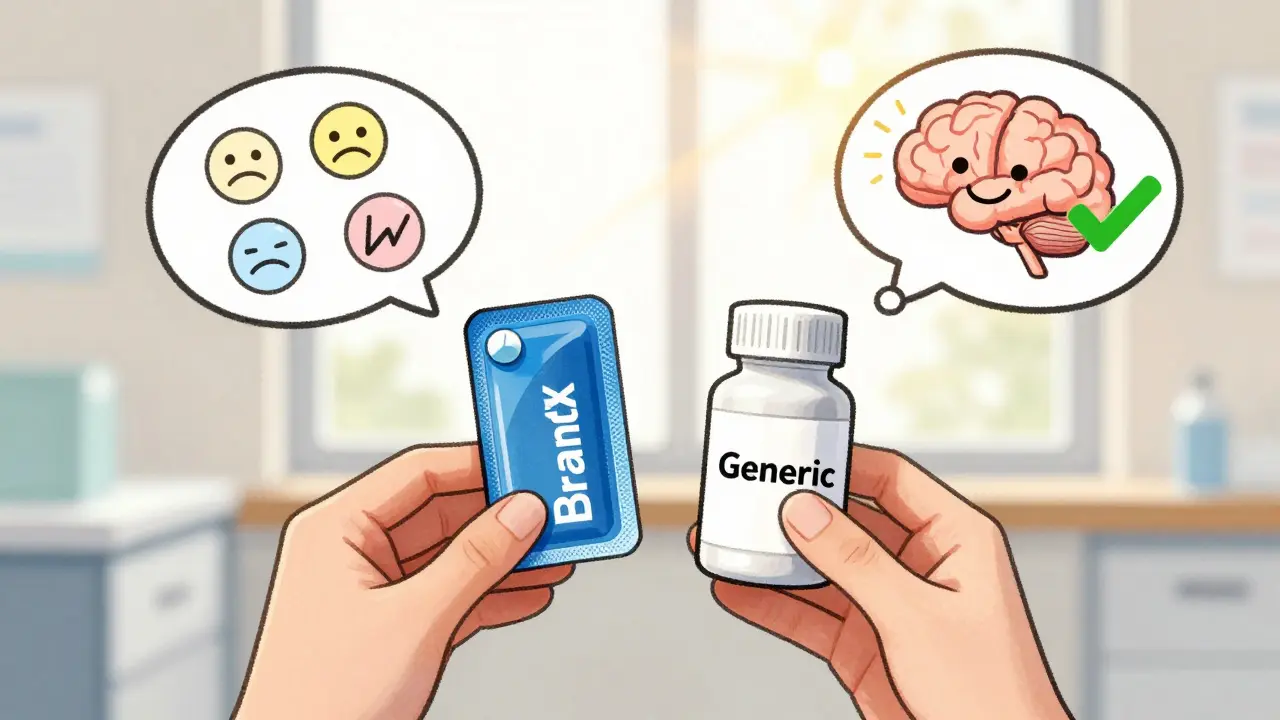
How to Manage Patient Perception and Nocebo Effects with Generic Medications
Generic medications work just like brand-name drugs, but patient perceptions can trigger real side effects due to the nocebo effect. Learn how expectations, packaging, and communication shape treatment outcomes-and what you can do about it.
3
Jan
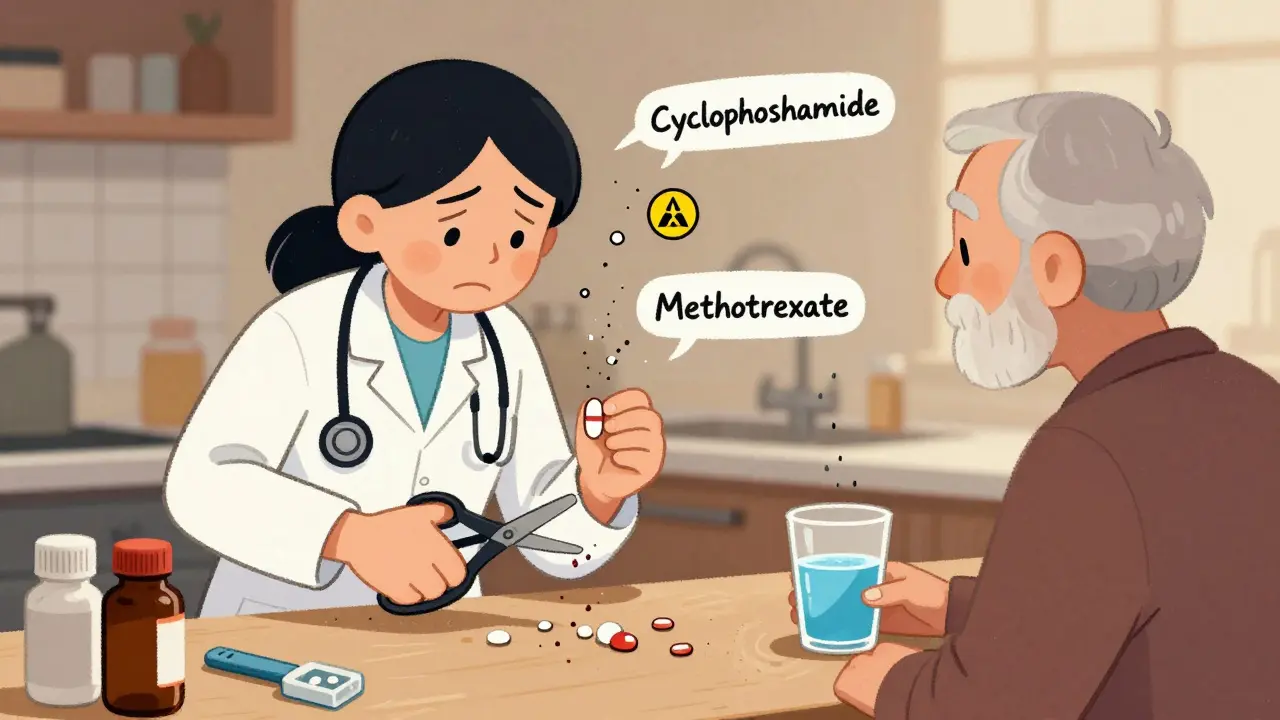
How to Avoid Contamination When Splitting or Crushing Pills: A Practical Safety Guide
Learn how to safely split or crush pills without risking contamination, wrong doses, or exposure to hazardous drugs. Follow proven steps, use the right tools, and know which pills should never be broken.
31
Dec
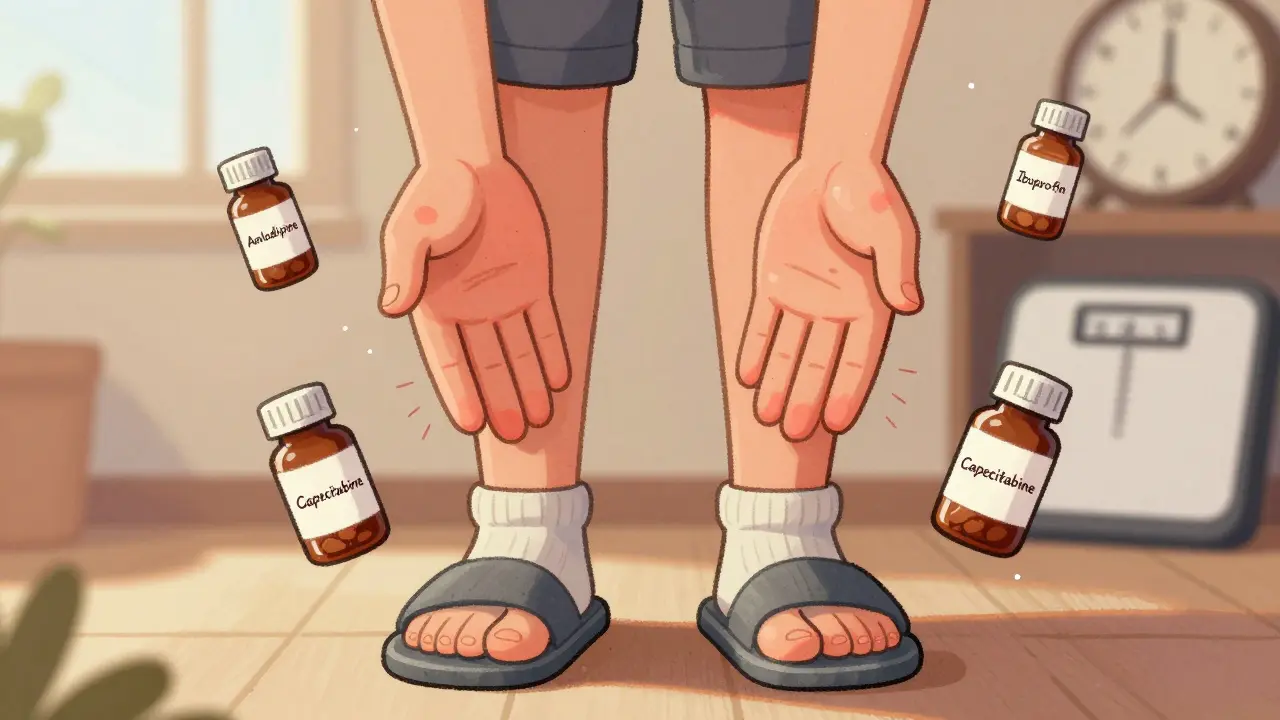
Hand and Foot Swelling from Medications: When to Contact Your Doctor
Hand and foot swelling from medications is common but often ignored. Learn which drugs cause it, when it's dangerous, and what to do before it becomes serious.
30
Dec
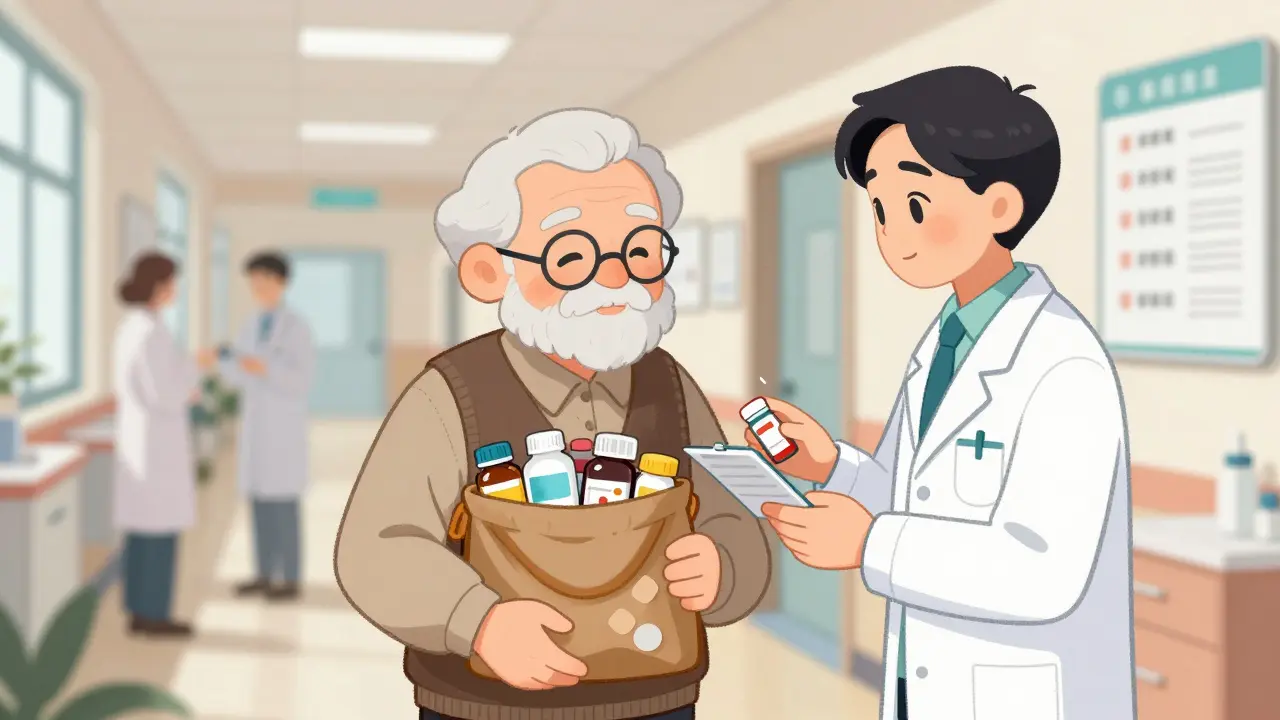
How to Transition from Hospital to Home Without Medication Errors
Learn how to prevent dangerous medication errors when seniors leave the hospital. Discover proven steps, who should lead the process, and what families can do to keep loved ones safe at home.
29
Dec
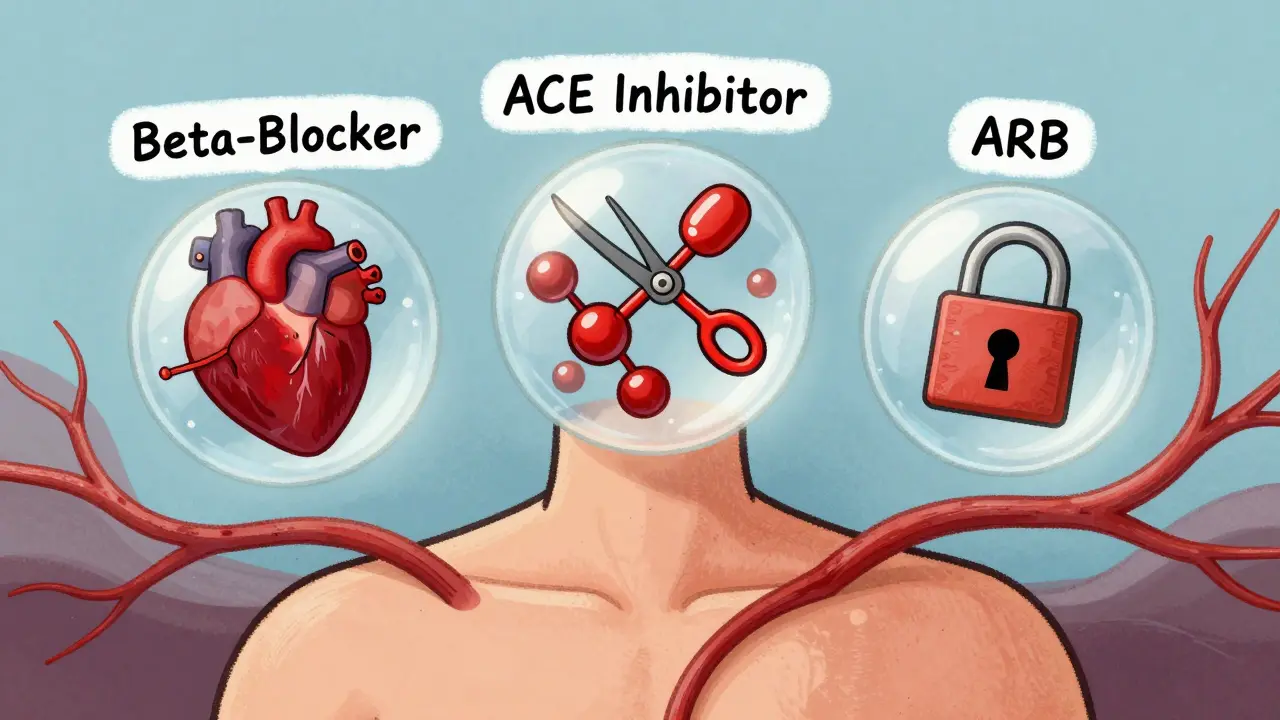
Antihypertensives Explained: Beta-Blockers, ACE Inhibitors, and ARBs - Risks, Benefits, and What Really Works
Beta-blockers, ACE inhibitors, and ARBs are common high blood pressure meds, but they work differently and carry unique risks. Learn which one suits your condition, why some cause cough, and what the latest evidence says about safety and effectiveness.