Category: Medications - Page 2
1
Feb
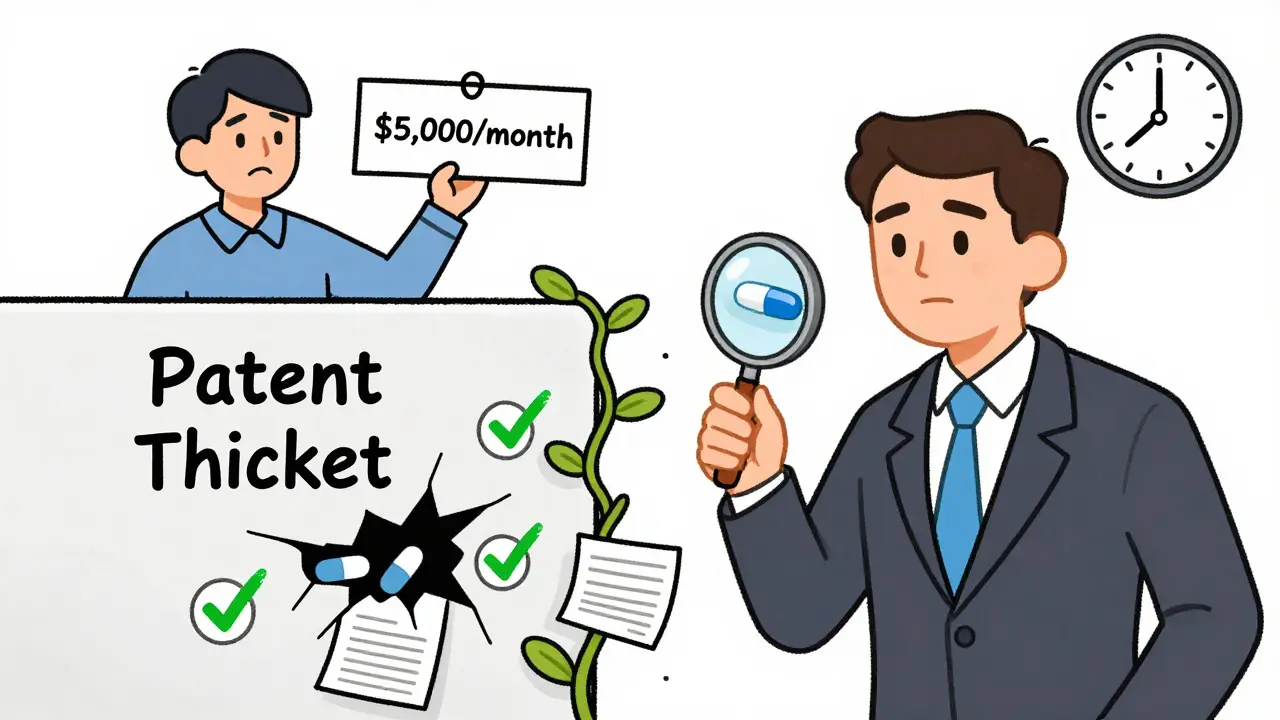
Evergreening: How Pharmaceutical Brands Stretch Patents to Block Generic Drugs
Evergreening lets drug companies extend patents on old medications through minor tweaks, blocking cheaper generics and keeping prices high. Learn how it works, who does it, and what it means for patients.
31
Jan
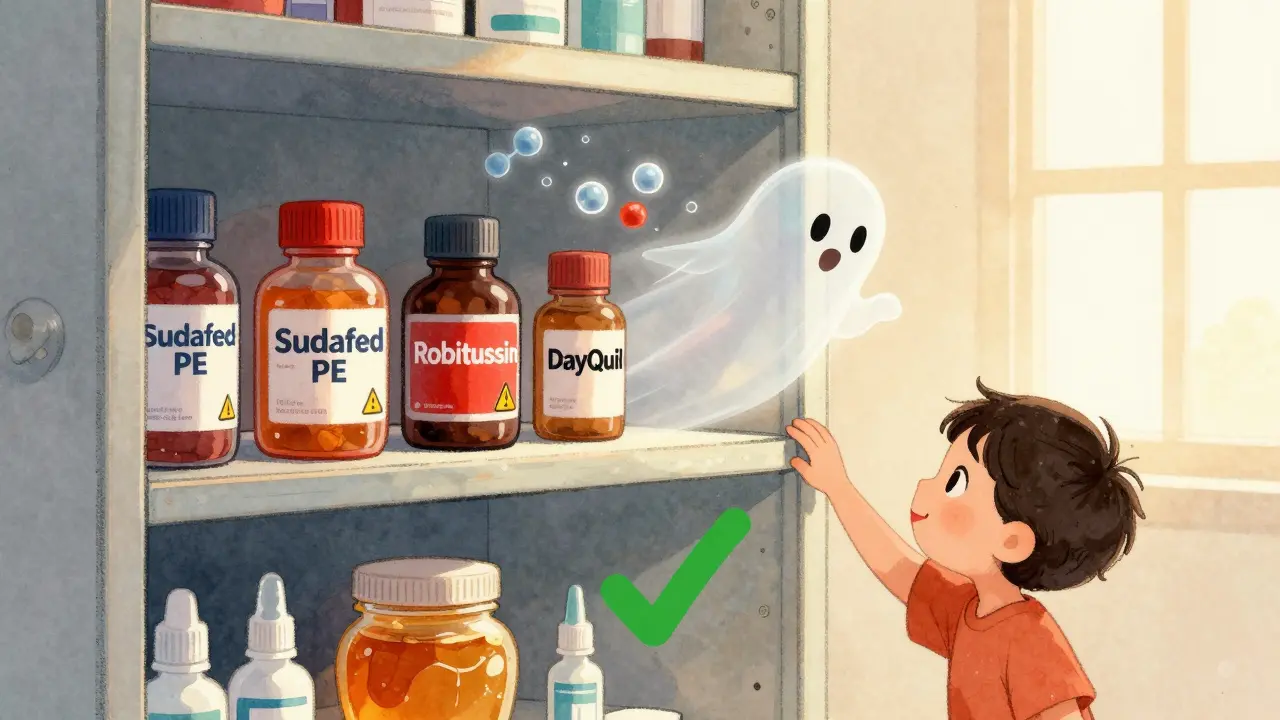
Cough and Cold Medicine Safety for All Ages: What Actually Works and What to Avoid
Many OTC cough and cold medicines don't work and can be risky, especially for kids. Learn which ingredients to avoid, what actually helps, and safer alternatives backed by science.
28
Jan
Infographics About Generics: Visual Tools to Understand Generic Medications
Infographics about generics help patients understand that generic drugs are just as safe and effective as brand-name versions. Learn how visual tools from the FDA and other experts are improving medication adherence and cutting healthcare costs.
26
Jan
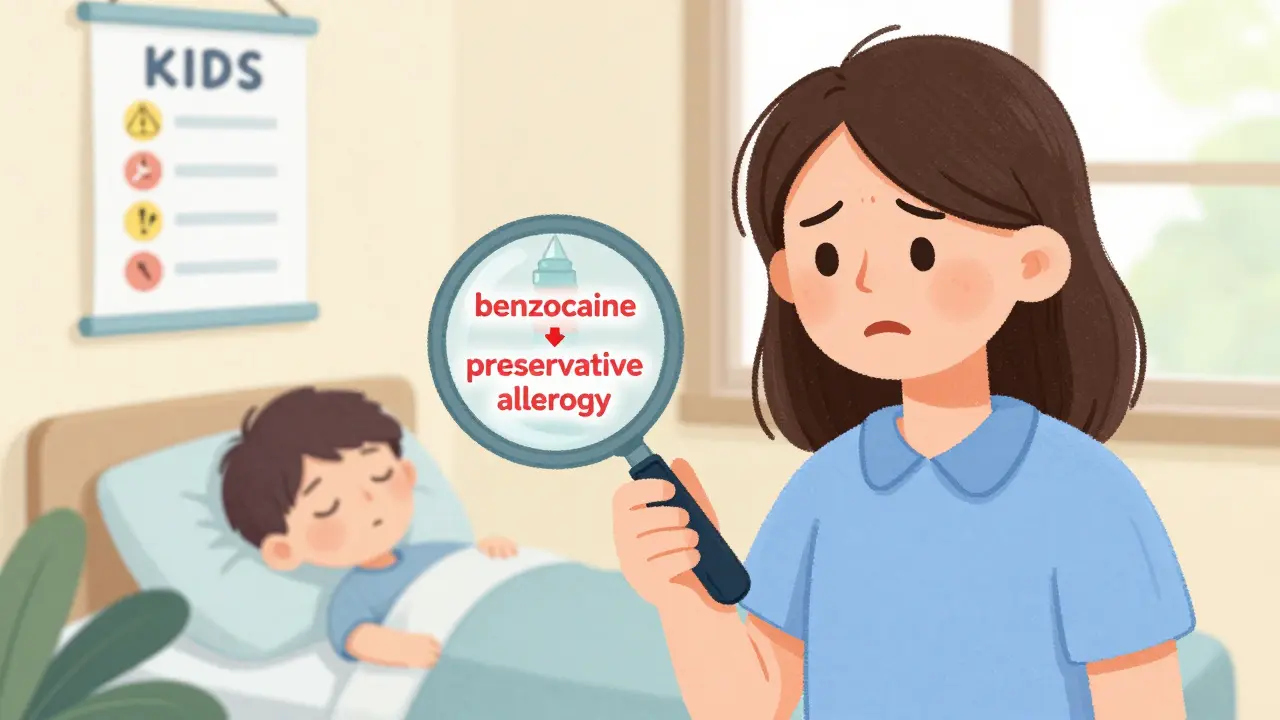
Pediatric Safety: What Parents and Doctors Need to Know About Generic Drugs for Children
Generic drugs for children aren't always safe just because they're cheaper. Learn the hidden risks, key drugs to avoid, and practical steps every parent and caregiver should take to prevent dangerous medication errors.
26
Jan
Authorized Generics vs Brand Drugs: What You Need to Know About Identical Medications
Authorized generics are identical to brand-name drugs in every way-active ingredients, fillers, and manufacturing. They’re often cheaper and safer for sensitive patients. Here’s how to get them and why they’re not the same as regular generics.
24
Jan
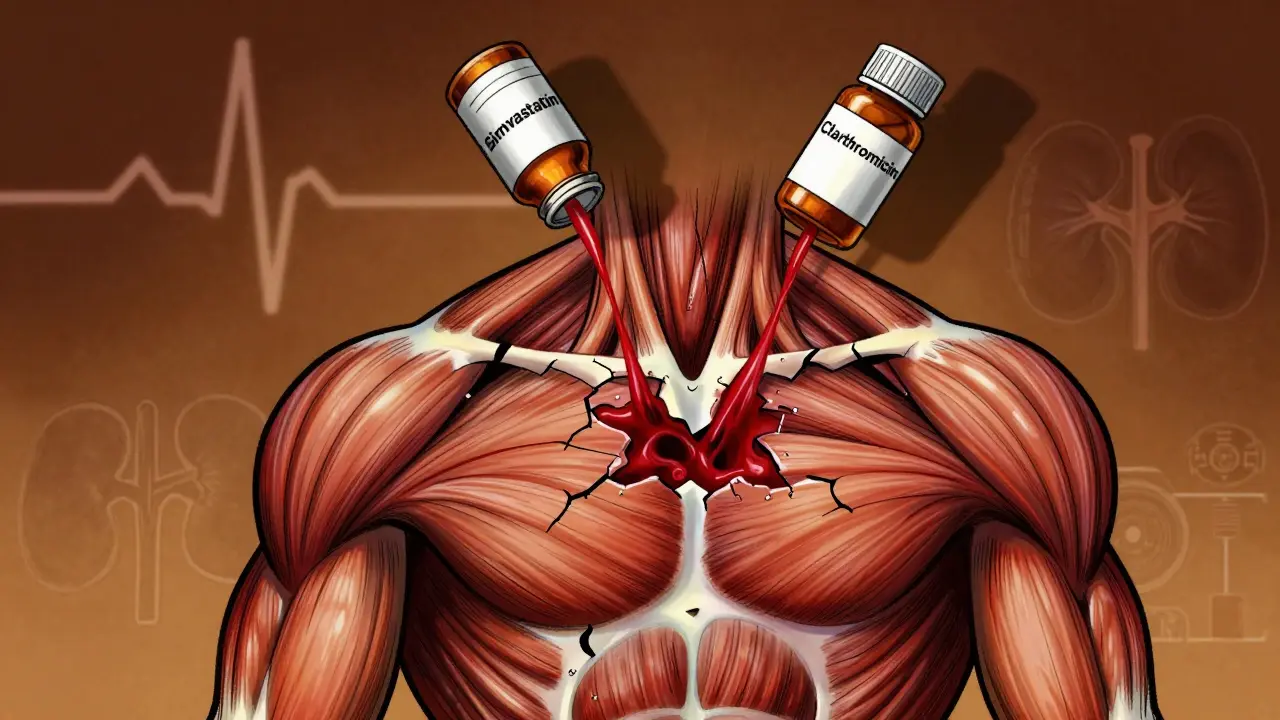
Rhabdomyolysis from Medication Interactions: How Common Drug Combos Cause Muscle Breakdown
Medication interactions can trigger rhabdomyolysis - a dangerous muscle breakdown that harms kidneys and can be fatal. Learn which drug combos are most risky, who’s most vulnerable, and how to prevent it.
23
Jan
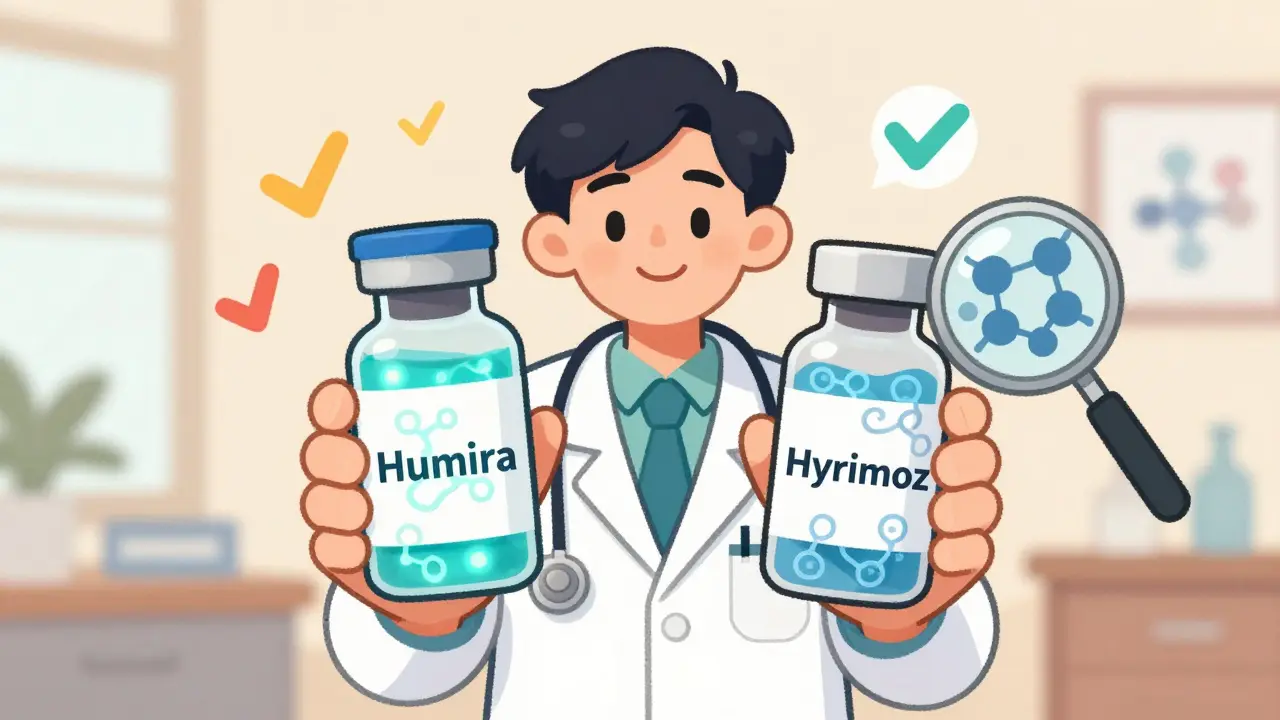
What Are Biosimilars? A Simple Guide for Patients
Biosimilars are highly tested, FDA-approved versions of complex biologic drugs. They work the same as the original but cost less. Learn how they differ from generics and why they’re safe for patients.
21
Jan
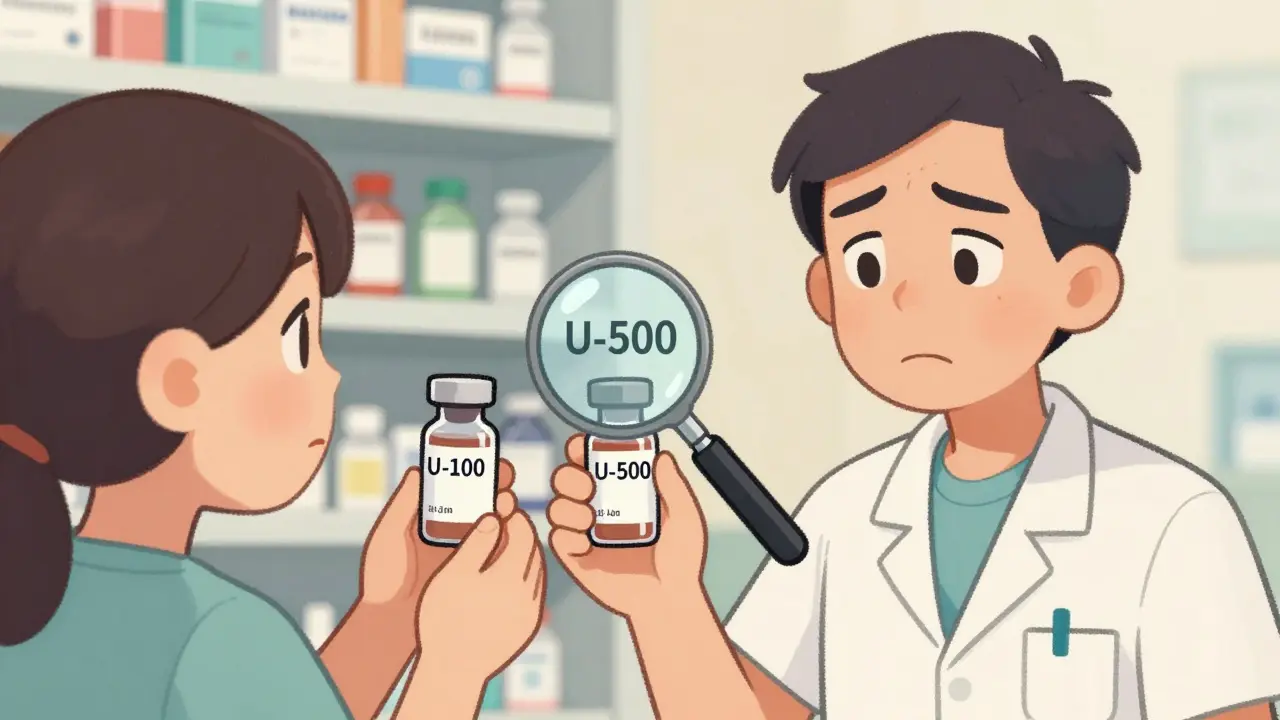
How to Check Medication Names, Strengths, and Dosage Forms Safely
Learn how to safely verify medication names, strengths, and dosage forms to prevent dangerous errors. Simple steps like reading labels aloud and checking spacing can save lives.
19
Jan
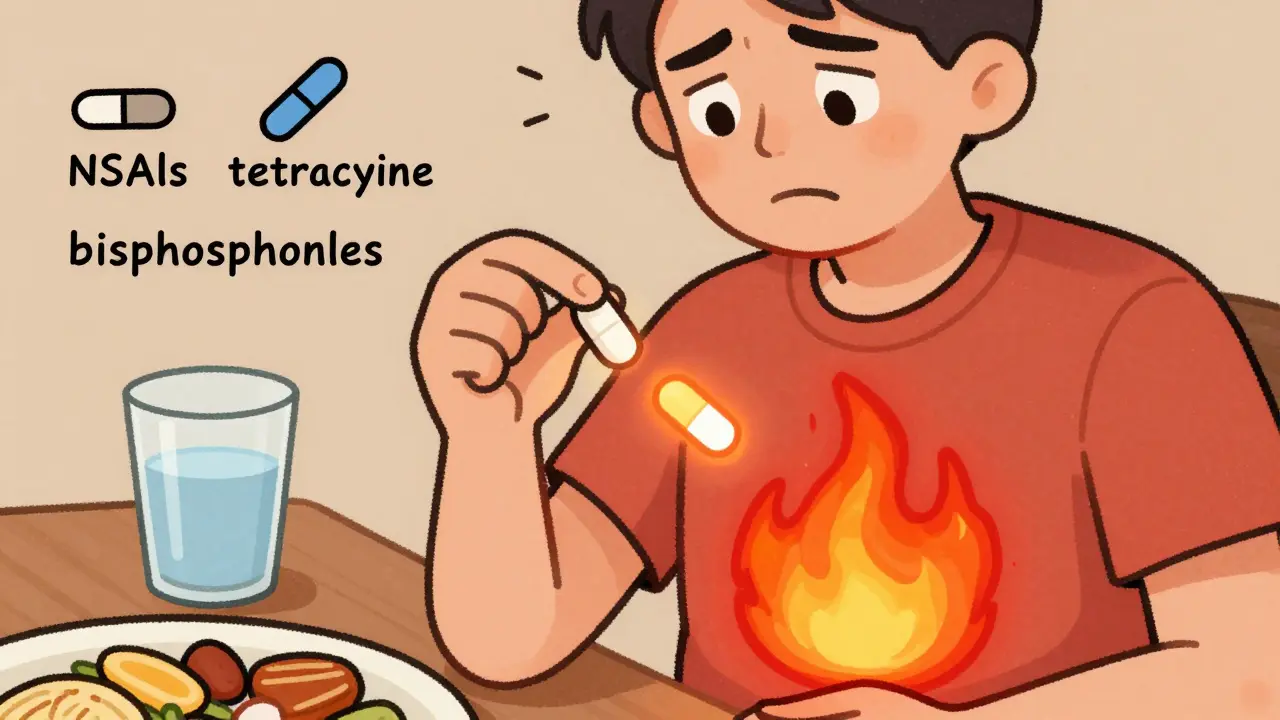
Upset Stomach and Heartburn from Medications: What Works and What Doesn’t
Many common medications cause heartburn and upset stomach-but you don’t have to live with it. Learn which drugs trigger these side effects and how to manage them safely without quitting your treatment.
18
Jan
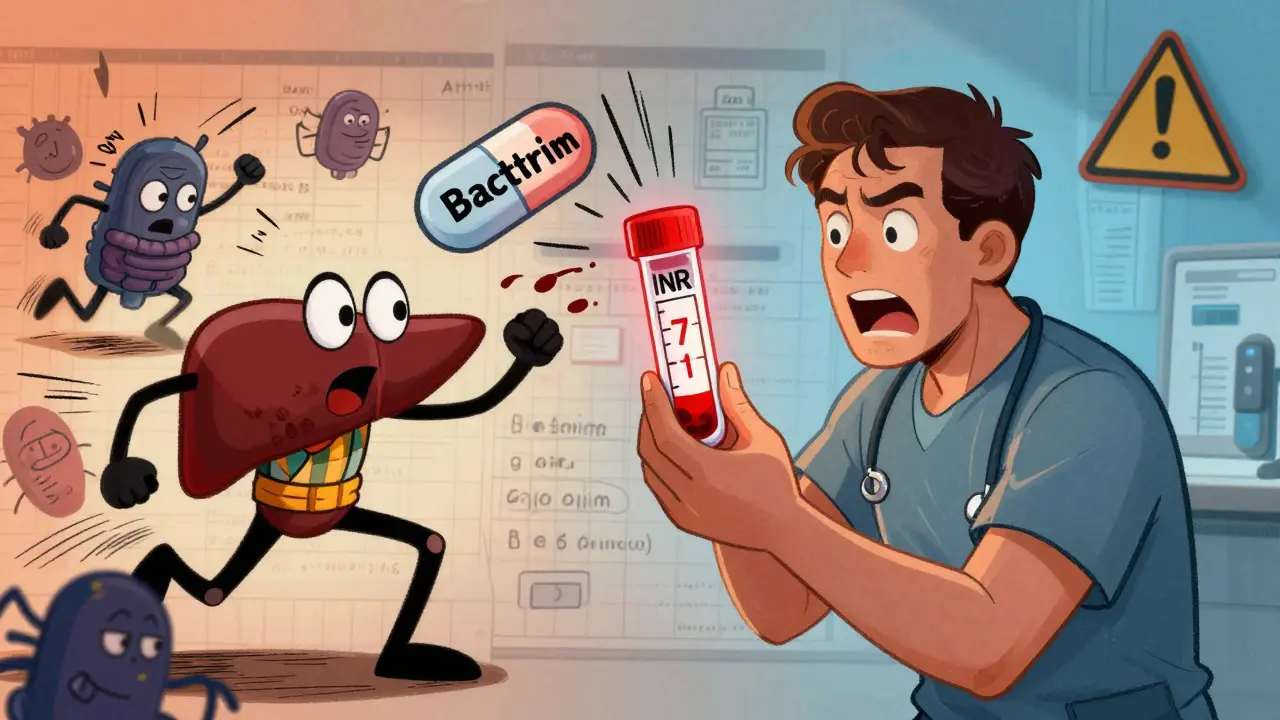
Trimethoprim-Sulfamethoxazole and Warfarin: Why INR Rises and How to Stay Safe
Trimethoprim-sulfamethoxazole can sharply raise INR in people taking warfarin, increasing bleeding risk. Learn why this happens, how to prevent it, and what to do if your INR spikes.
17
Jan
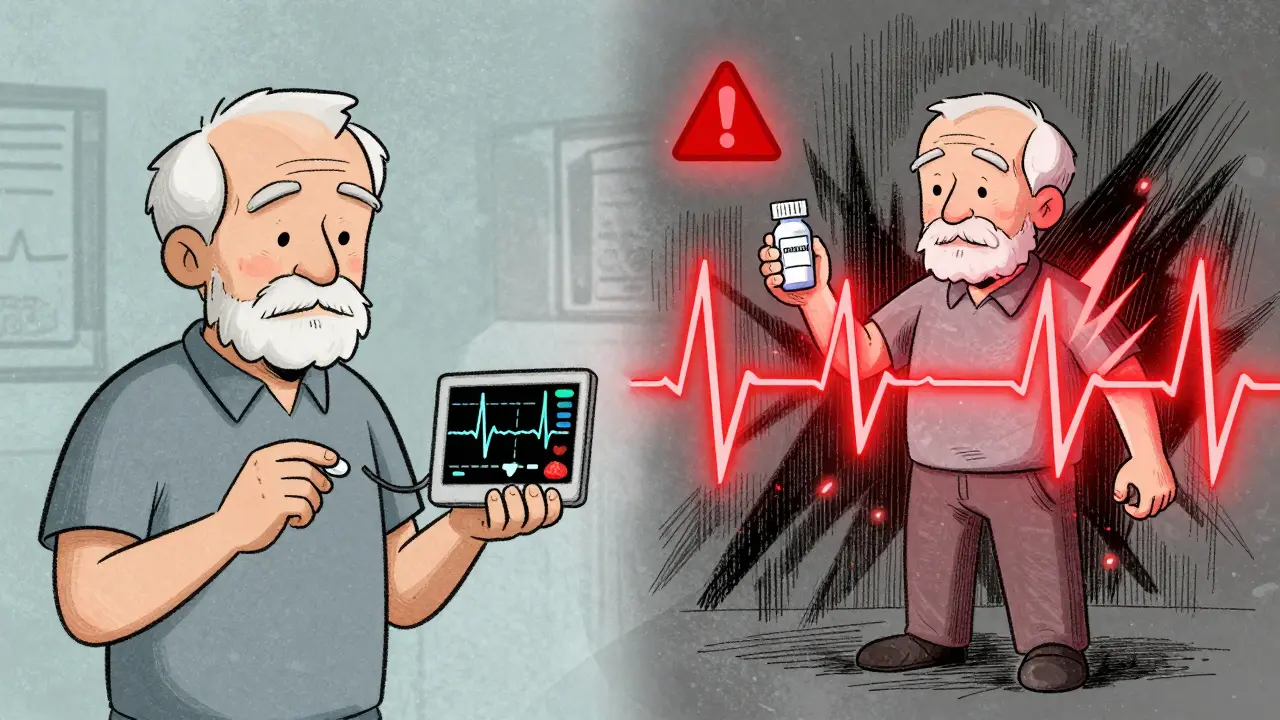
Dofetilide and Cimetidine: Why This Drug Pair Can Trigger Deadly Heart Rhythms
Dofetilide and cimetidine together can cause life-threatening heart rhythms. This interaction increases QT prolongation risk by up to 4 times, leading to torsades de pointes. Learn why this combo is strictly contraindicated and what to use instead.
16
Jan
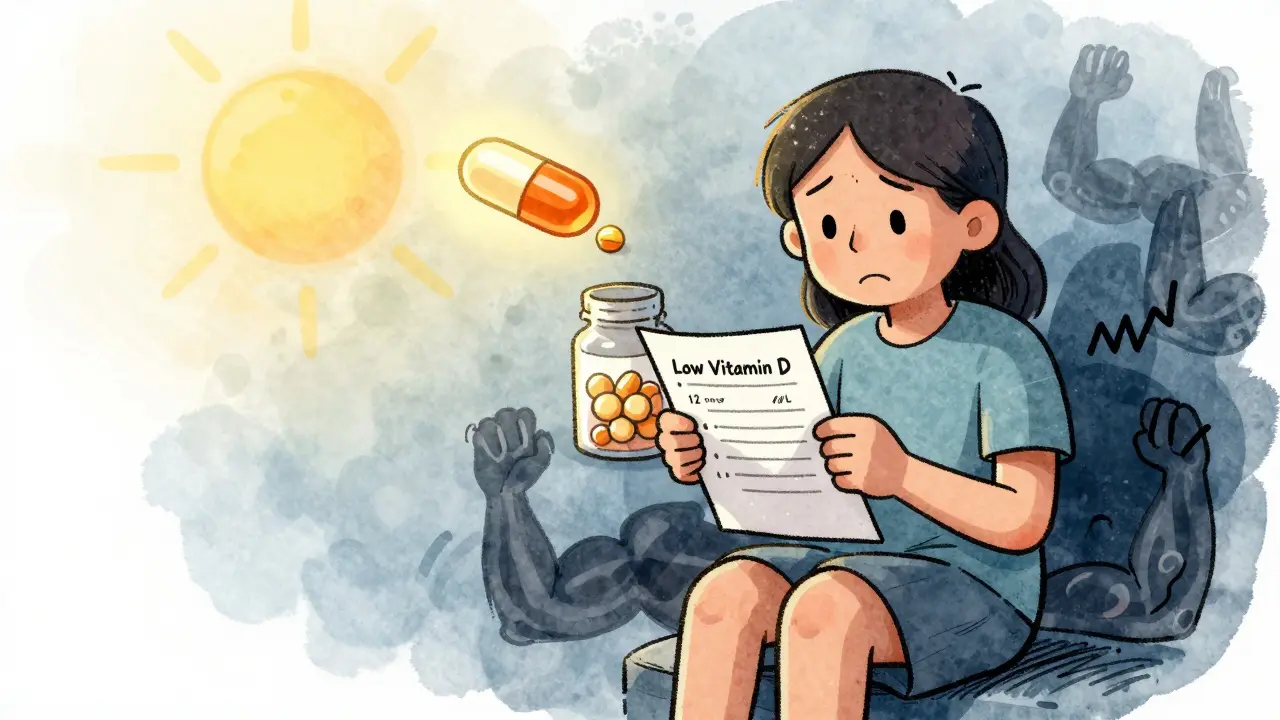
Vitamin D and Statin Tolerance: What the Evidence Really Shows
Does vitamin D help you tolerate statins? Research shows mixed results. While some patients benefit, large trials find no overall effect. Learn who might still help and what to do if statins cause muscle pain.