Tag: generic drugs
28
Feb
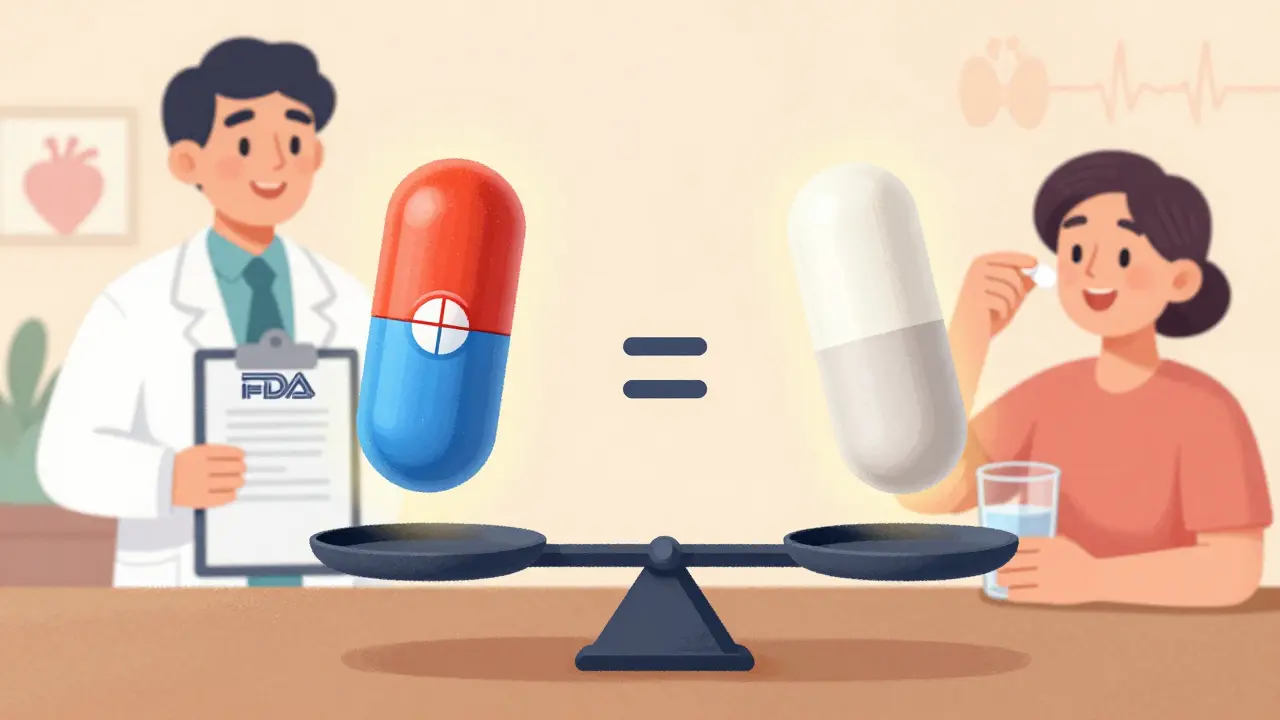
Generic Drug Safety: Are Generics as Safe as Brand Names?
Generic drugs are just as safe and effective as brand-name medications for most people. The FDA requires strict bioequivalence testing, and large studies confirm they work the same. Exceptions exist for narrow therapeutic index drugs like levothyroxine or warfarin, where monitoring is advised.
21
Feb
Why Generic Combination Products Improve Patient Compliance
Generic combination products simplify treatment by merging drugs and devices into one unit, improving adherence and cutting costs. Learn how they help patients stick to their regimens - and why education is key.
1
Feb
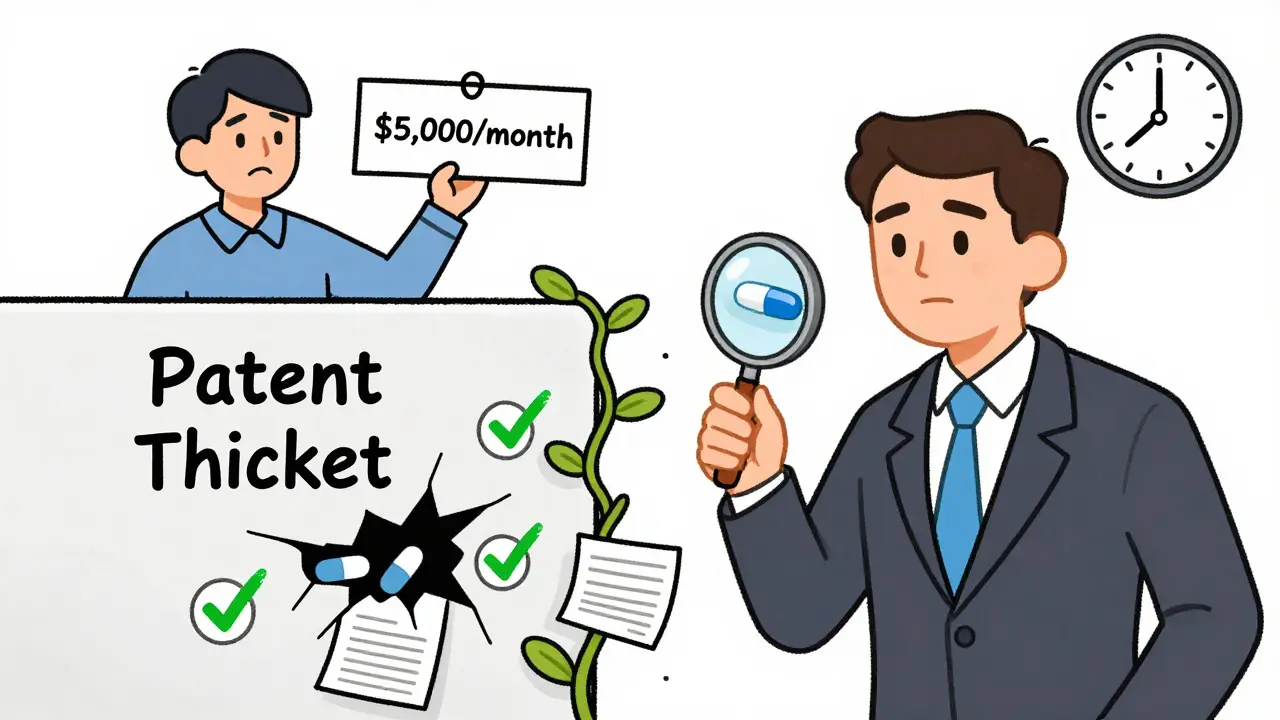
Evergreening: How Pharmaceutical Brands Stretch Patents to Block Generic Drugs
Evergreening lets drug companies extend patents on old medications through minor tweaks, blocking cheaper generics and keeping prices high. Learn how it works, who does it, and what it means for patients.
28
Jan
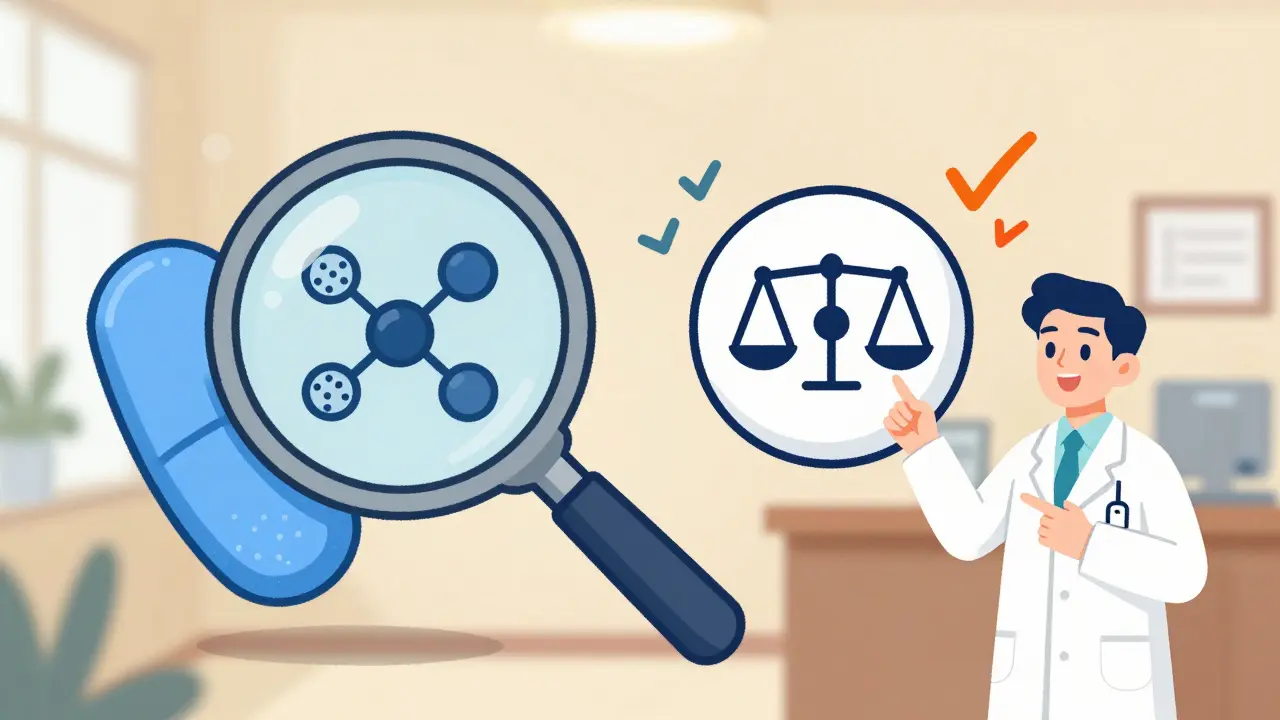
Infographics About Generics: Visual Tools to Understand Generic Medications
Infographics about generics help patients understand that generic drugs are just as safe and effective as brand-name versions. Learn how visual tools from the FDA and other experts are improving medication adherence and cutting healthcare costs.
13
Jan
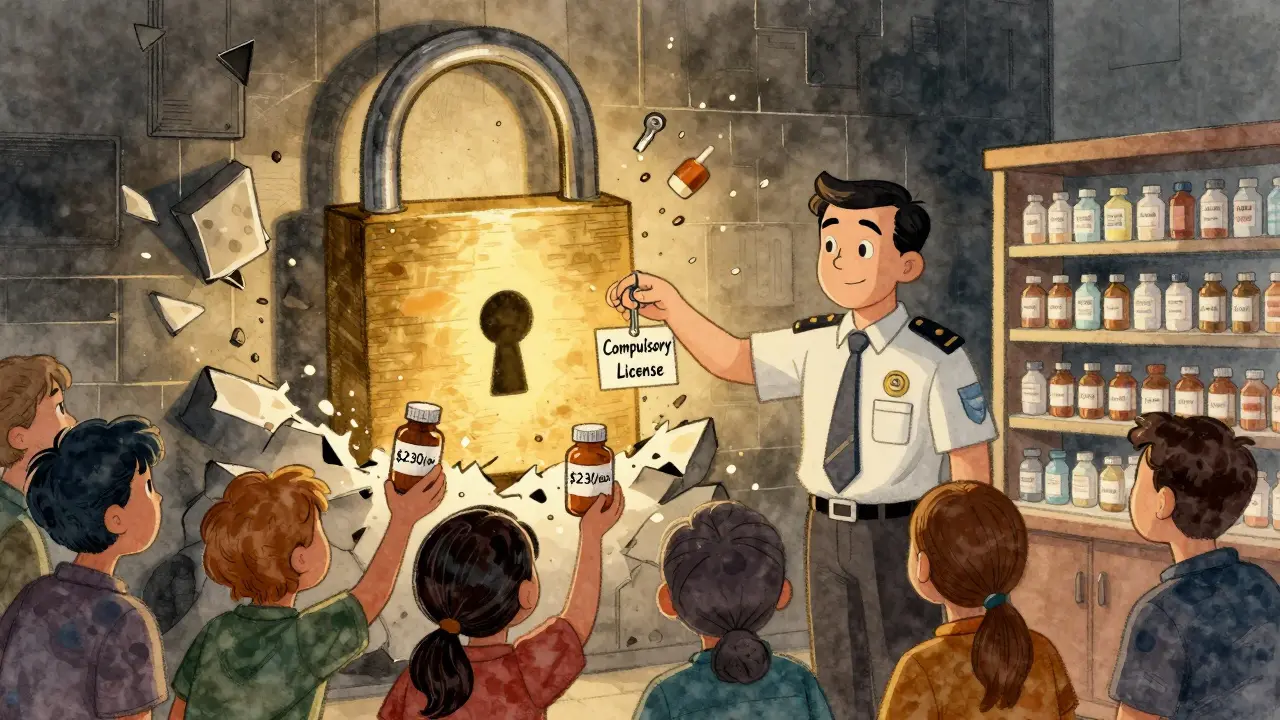
Compulsory Licensing: How Governments Can Override Patents to Protect Public Health
Compulsory licensing lets governments authorize generic production of patented drugs during health crises. It's a legal tool used to save lives when prices are too high-seen in India, Brazil, and Thailand, and now evolving globally.

10
Jan
Phenytoin and Generics: What You Need to Know About Therapeutic Drug Monitoring
Switching between brand-name and generic phenytoin can be risky due to its narrow therapeutic index and non-linear metabolism. Learn when and how to monitor levels to prevent seizures or toxicity.
5
Dec
Finding Generic Combinations: When Components Don't Match Brand Formulations
Generic combination drugs save money but may have different inactive ingredients than brand versions, affecting patients with narrow therapeutic index conditions. Learn when substitutions are safe and how to protect yourself.
23
Nov
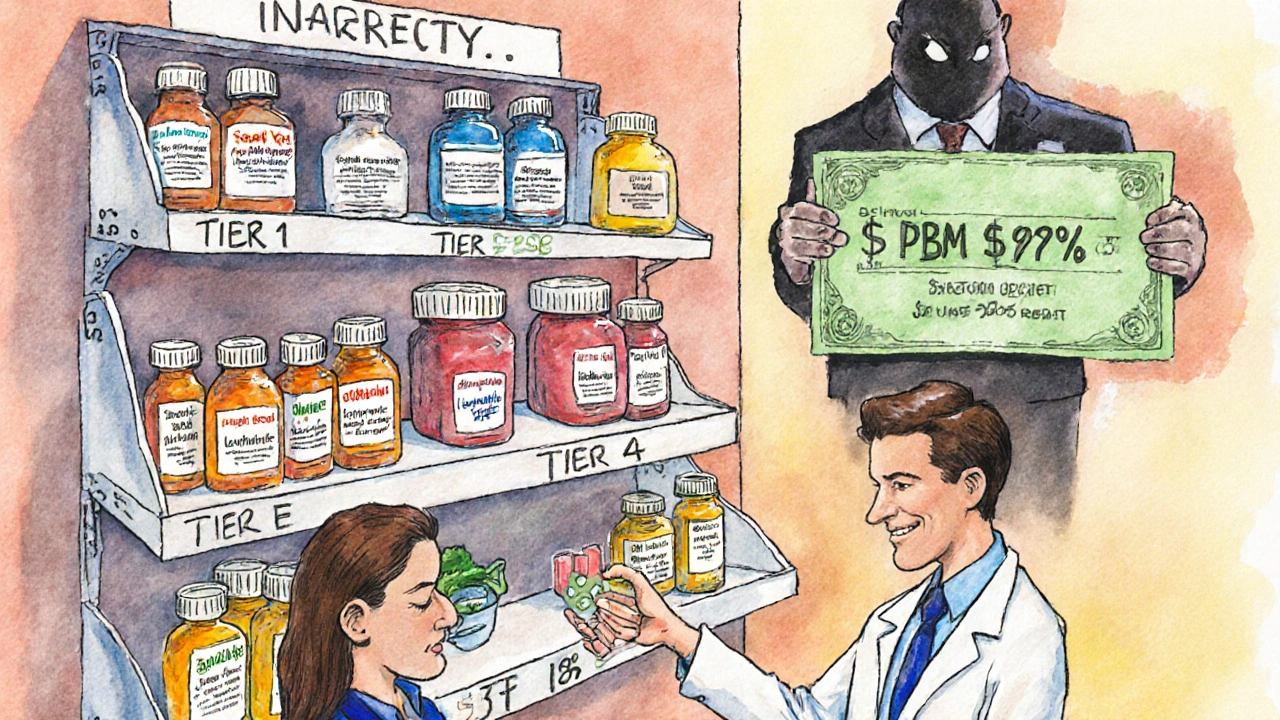
Why Insurers Prefer Generic Drug Lists: How Formularies Control Costs and Shape Your Prescriptions
Insurers use preferred generic lists to cut drug costs by steering patients toward cheaper, FDA-approved alternatives. Learn how formularies work, why generics are pushed, and how to save money-and avoid surprises-on your prescriptions.

14
Nov
Asian Generic Markets: How India and China Dominate Global Pharma Supply Chains
India and China dominate the global generic drug market, with India leading in volume and China in value. Emerging economies like Vietnam and Cambodia are carving out niche roles. Here's how they shape the future of affordable medicine.