Category: Medications - Page 4
27
Dec
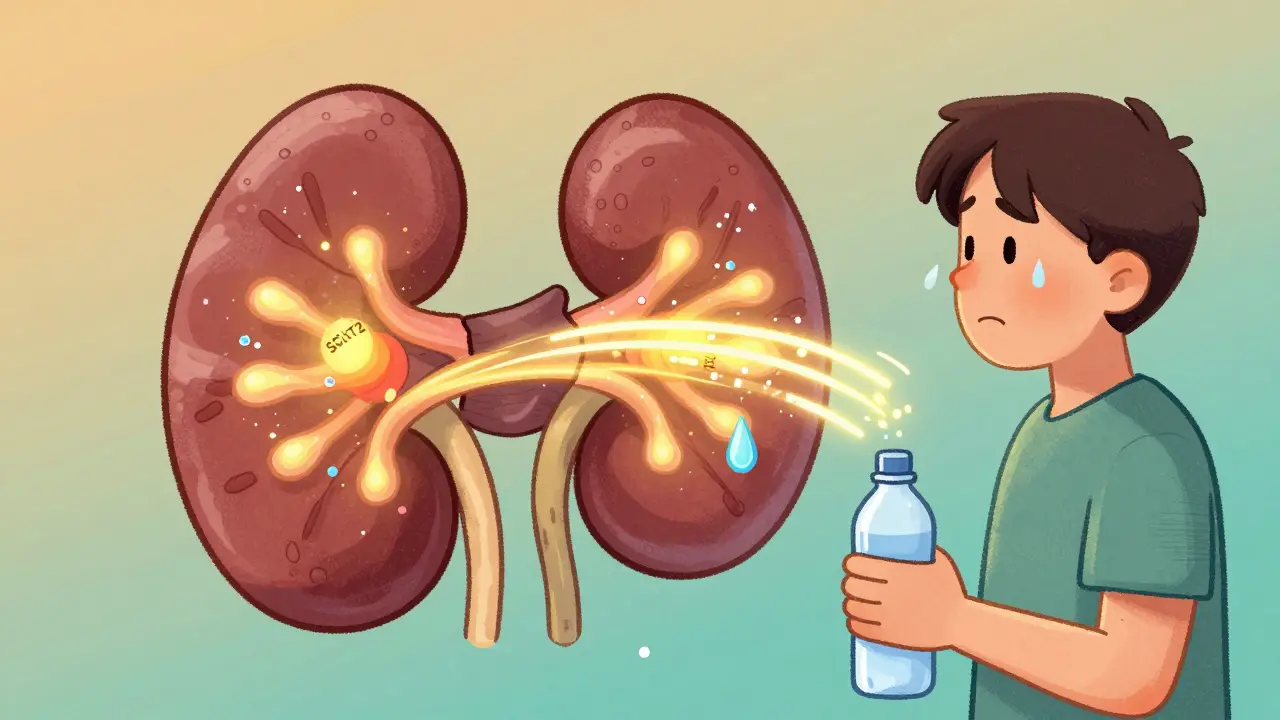
SGLT2 Inhibitor Side Effects: Dehydration, Dizziness, and Blood Pressure Changes Explained
SGLT2 inhibitors help control diabetes and protect the heart and kidneys, but they can cause dehydration, dizziness, and low blood pressure. Learn how these side effects happen, who’s at risk, and how to manage them safely.
26
Dec
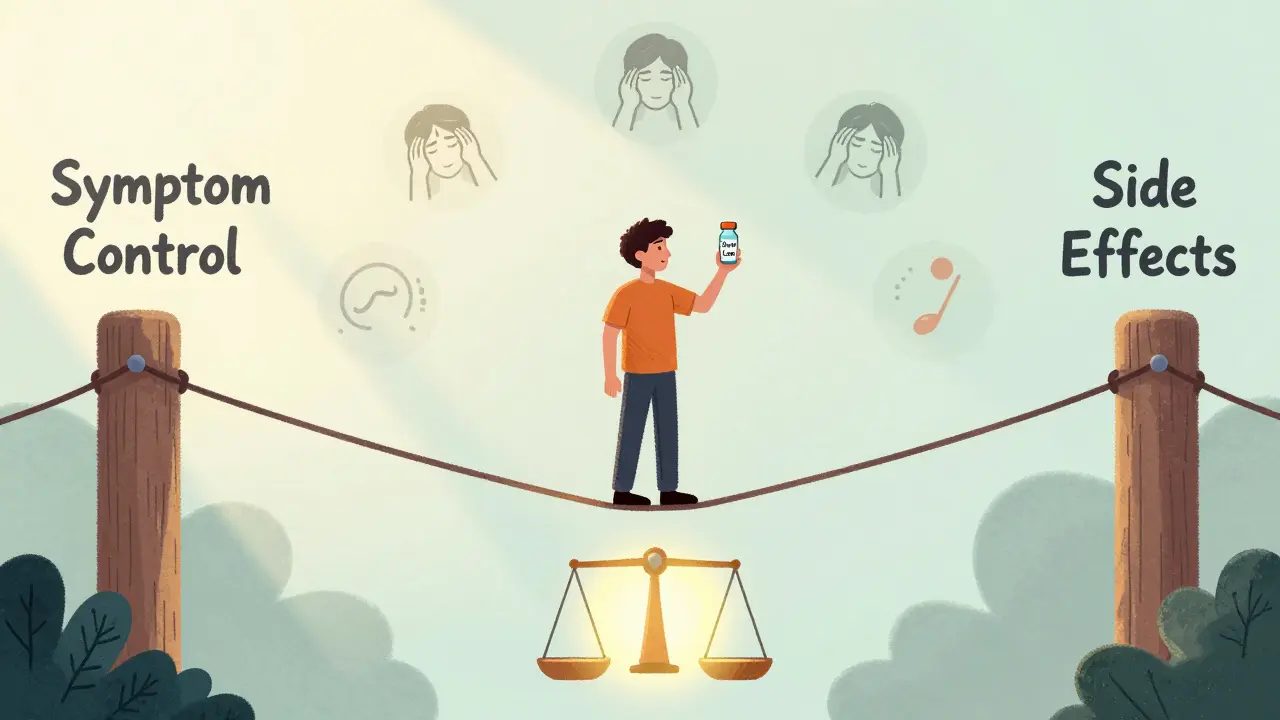
Dose Titration Strategies to Reduce Medication Side Effects
Dose titration helps find the right medication dose to control symptoms while minimizing side effects. Learn how starting low and going slow works for ADHD, depression, epilepsy, and more - backed by science and patient experience.
25
Dec
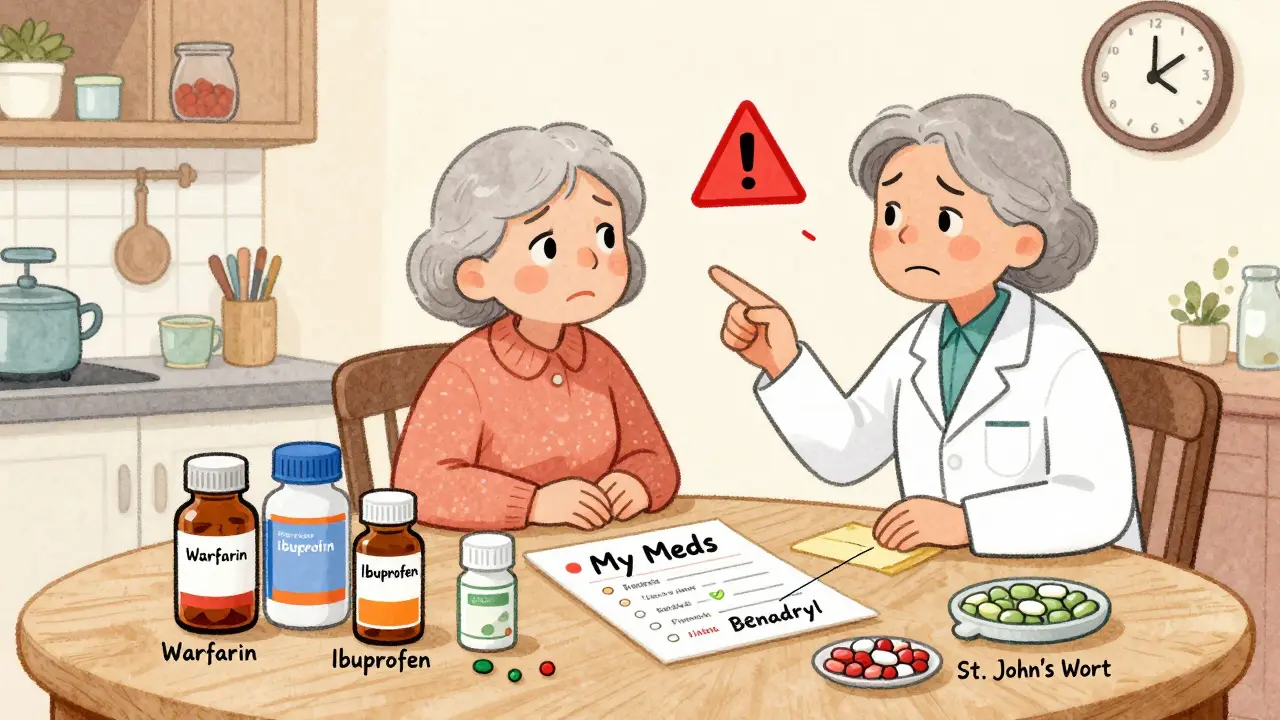
How to Prevent Drug-Drug Interactions in Elderly Patients
Drug-drug interactions are a leading cause of hospitalizations in older adults. Learn how to prevent them using proven tools like the Beers Criteria, STOPP, and NO TEARS-plus practical steps for patients and caregivers.
24
Dec
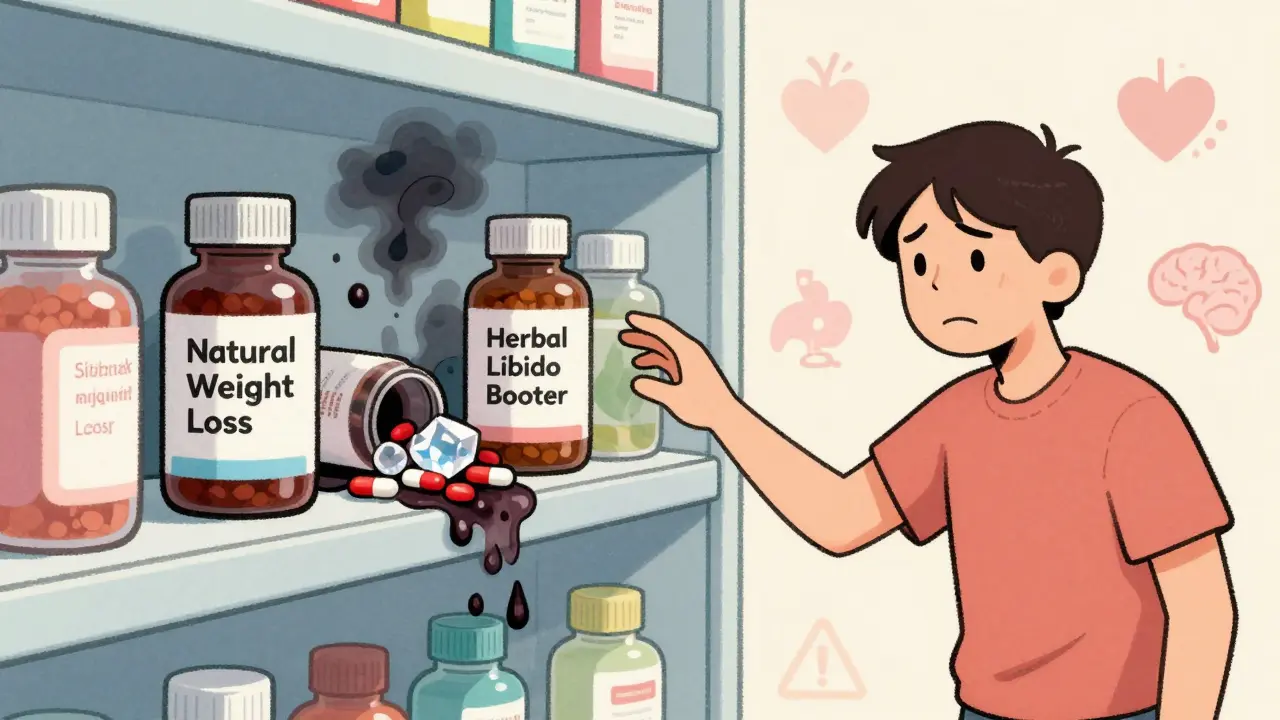
Over-the-Counter Medication Safety: Hidden Ingredients and Interactions You Can't Afford to Ignore
Many OTC medications and supplements contain hidden pharmaceutical ingredients that can cause dangerous interactions, organ damage, or even death. Learn what’s really in your pills and how to protect yourself.

20
Dec
How to Use Dosing Syringes and Oral Dispensers for Kids’ Medicines Accurately
Learn how to use dosing syringes and oral dispensers safely for kids' liquid medicines. Avoid common dosing errors with step-by-step guidance, expert tips, and what to do when your child resists.
18
Dec
Loperamide Abuse: Recognizing the Hidden Dangers of OTC Antidiarrheals
Loperamide abuse is a growing public health threat. Taking high doses of OTC antidiarrheals like Imodium can cause life-threatening heart rhythms. Learn the warning signs, risks, and what to do if someone you know is misusing it.
10
Dec
Penicillin Desensitization: Safe Protocols for Allergic Patients Who Need Beta-Lactams
Penicillin desensitization safely allows allergic patients to receive essential beta-lactam antibiotics when no alternatives exist. Learn how the procedure works, who qualifies, and why it's critical in fighting antimicrobial resistance.

7
Dec
Penicillin Allergies vs Side Effects: How to Tell Them Apart and Why It Matters
Most people who think they're allergic to penicillin aren't. Learn how to tell the difference between a true allergy and common side effects-and why getting tested could save your life and money.
4
Dec
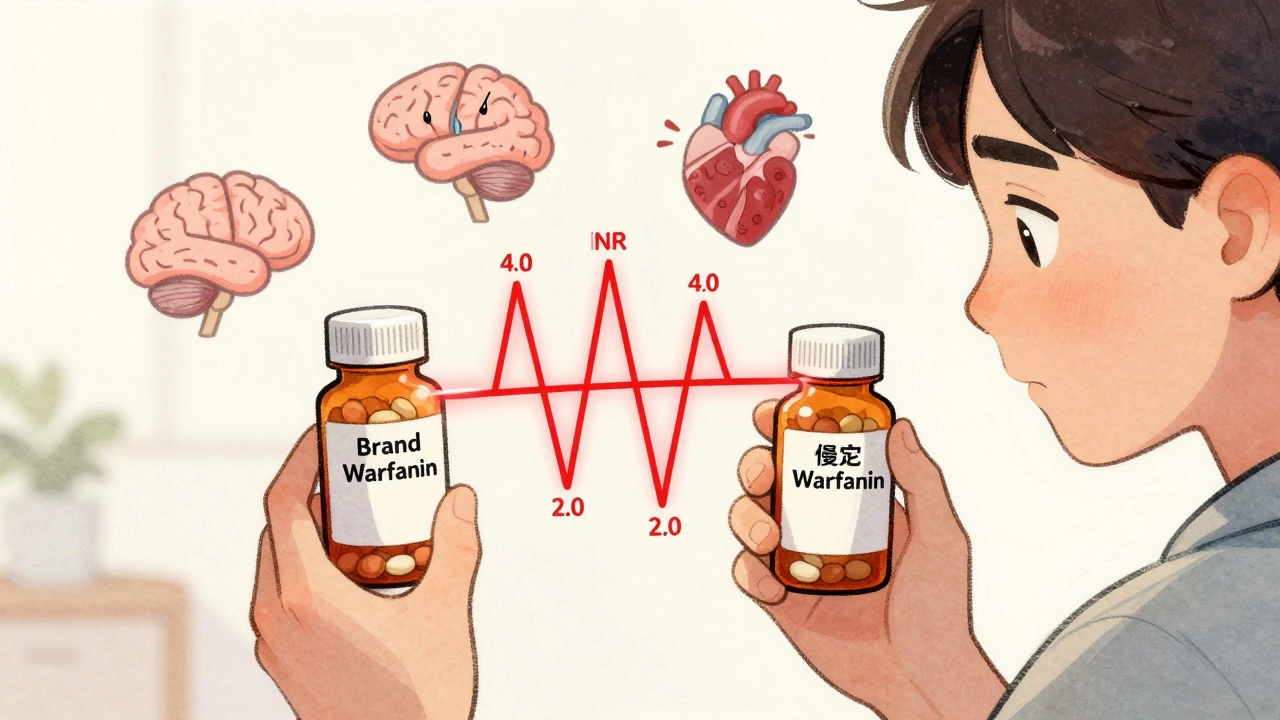
Why Generic Switching Raises Concerns for NTI Drugs
Generic switching for NTI drugs like warfarin and phenytoin can cause dangerous fluctuations in blood levels, leading to toxicity or treatment failure. Learn why even small differences matter-and what patients and doctors must do to stay safe.
4
Dec
Hiccups Triggered by Medications: Common Causes and Proven Remedies
Medication-induced hiccups are more common than you think-especially with steroids and opioids. Learn which drugs cause them, how to stop them fast, and what to ask your doctor if they won’t go away.
29
Nov
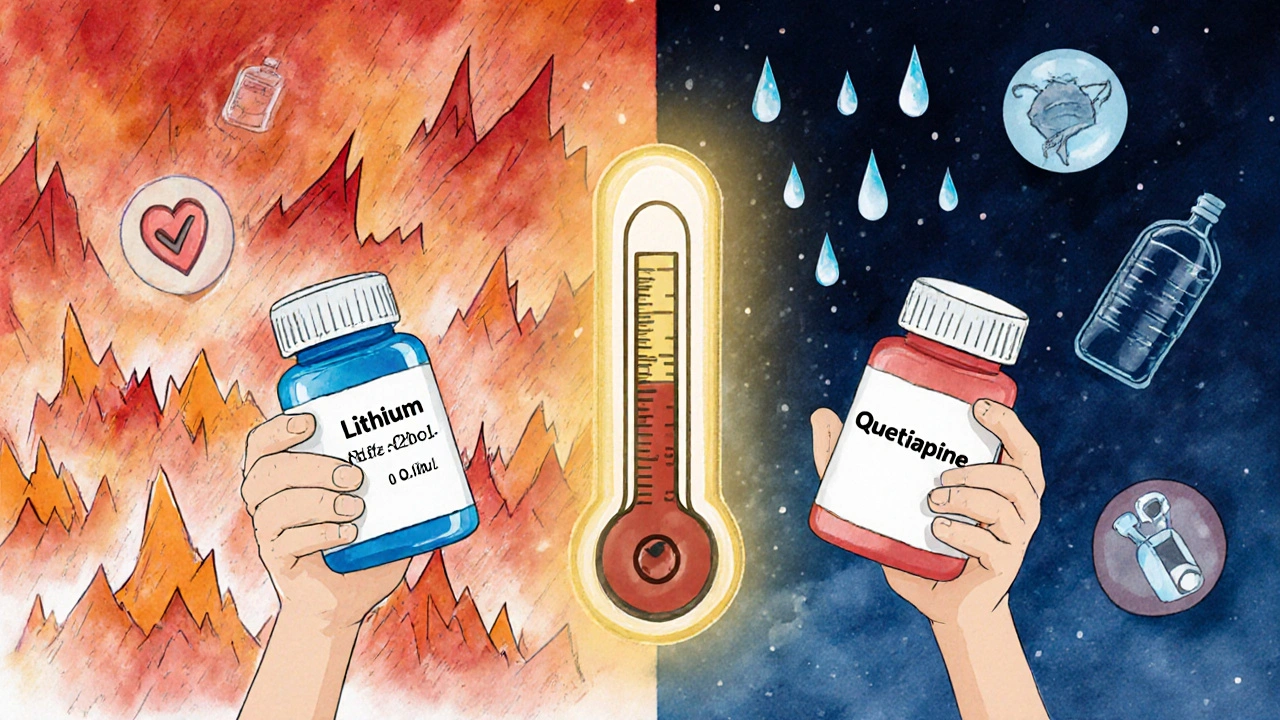
Bipolar Disorder: Managing Mood Stabilizers and Antipsychotics Effectively
Learn how mood stabilizers and antipsychotics work together to manage bipolar disorder, their real-world side effects, what works best for different symptoms, and how to stay safe while taking them.
27
Nov
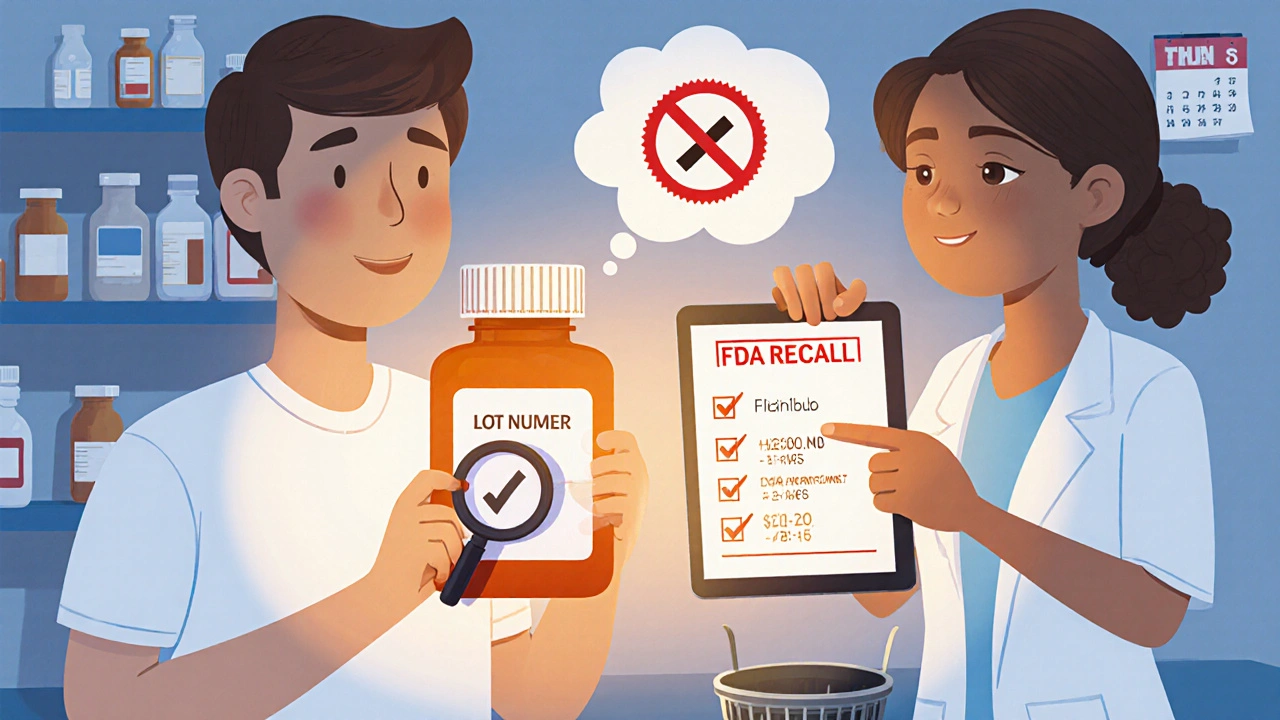
Medication Recalls: What Patients Should Do Immediately
When a medication is recalled, don't panic or stop taking it. Check your lot number, call your pharmacy, and follow FDA guidance to stay safe. Most recalls aren't life-threatening-but wrong actions can be.