Every year, millions of people reach for over-the-counter (OTC) meds without a second thought. A pain reliever for a headache. A sleep aid after a long day. A weight loss pill promising quick results. But what if the bottle you’re holding contains something you didn’t ask for-and something that could seriously hurt you?
What’s Really in Your OTC Pills?
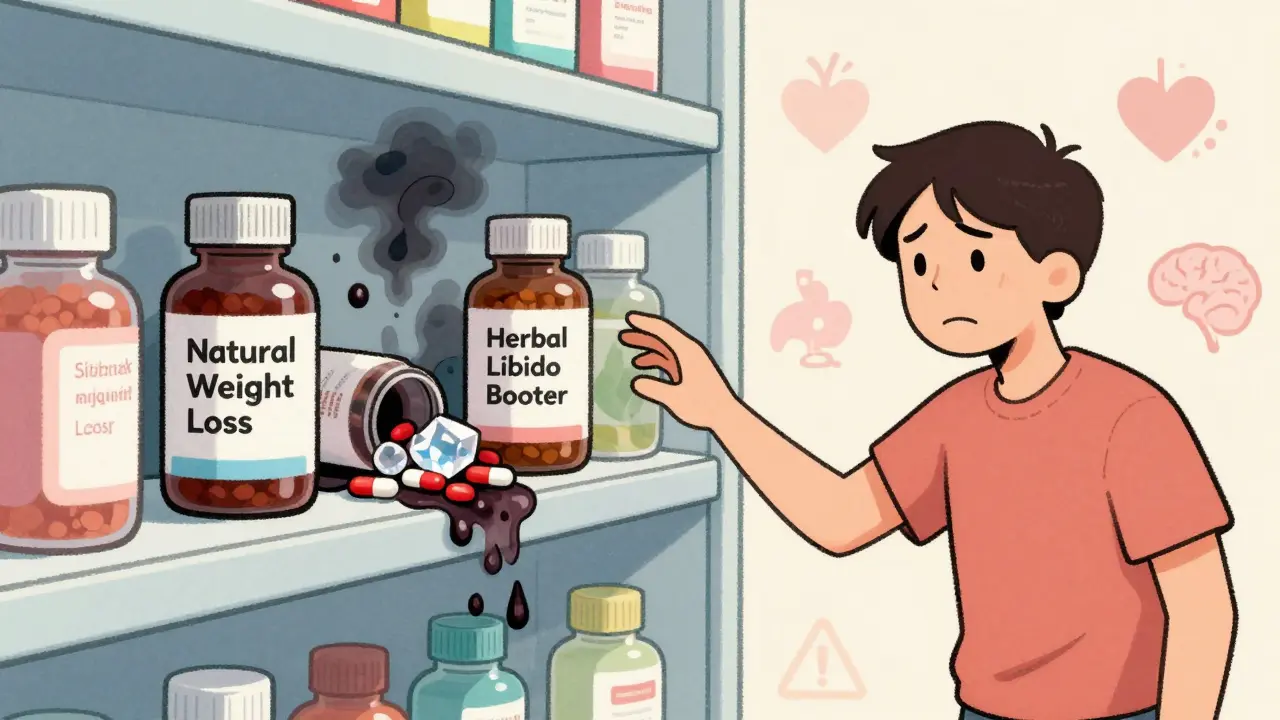
Many people assume that if it’s sold on a pharmacy shelf, it’s safe. That’s not true. The U.S. Food and Drug Administration (FDA) doesn’t approve dietary supplements before they hit the market. Under the Dietary Supplement Health and Education Act of 1994, manufacturers are responsible for proving their products are safe. But there’s no mandatory testing. No pre-market review. No guarantee. That’s how dangerous substances slip in. Between 2007 and 2021, the FDA identified over 1,000 dietary supplements containing hidden pharmaceutical drugs. These aren’t mistakes. They’re deliberate. Companies add prescription-strength ingredients to make their products work faster-and then hide them on the label to avoid scrutiny. Take weight loss supplements. Nearly three-quarters of those making bold claims contain unapproved drugs. One of the most common is sibutramine, a banned appetite suppressant linked to a 16% higher risk of heart attack and stroke. It was pulled from the market in 2010 after a study of over 10,000 people showed clear dangers. Yet, it still shows up in pills sold online and in gas stations. In one case, a Toronto man developed chest pain after taking a "natural" fat burner. Testing revealed sibutramine-dose equivalent to a prescription drug. Sexual enhancement products are even worse. About 87% of "all-natural" male performance supplements contain sildenafil (the active ingredient in Viagra) or tadalafil (Cialis). These aren’t just ineffective herbal blends-they’re unregulated doses of powerful drugs. One man in his 60s, taking blood pressure medication, developed a prolonged, painful erection after using a "herbal libido booster." He ended up in the ER with priapism-a medical emergency that can cause permanent damage if not treated within hours. And it’s not just weight and sex products. Pain relievers labeled "natural joint support" have been found to contain NSAIDs like ibuprofen or even corticosteroids. A woman in her 70s, taking daily aspirin for heart health, started experiencing stomach bleeding after using a new arthritis cream. The product didn’t list any NSAIDs-but lab tests found ibuprofen at levels high enough to cause ulcers.Hidden Ingredients Are Silent Killers
The real danger isn’t just the drugs themselves. It’s what happens when they mix with what you’re already taking. Let’s say you’re on a beta-blocker for high blood pressure. You take a cold medicine with pseudoephedrine to clear your sinuses. That’s risky enough-but what if that same cold medicine also contains hidden phenylephrine or sibutramine? Your blood pressure could spike dangerously. Your heart could race. You could end up in the hospital. Or consider this: you take a sleep aid with diphenhydramine (like Benadryl) because you can’t sleep. You also take a prescription antidepressant. Together, they can cause serotonin syndrome-a rare but life-threatening condition that causes confusion, rapid heartbeat, high fever, and seizures. The FDA has documented cases of teens dying after participating in the "Benadryl challenge" on social media, where they take massive doses to hallucinate. One 15-year-old in Ohio suffered cardiac arrest after taking 12 tablets. He survived, but barely. Even common OTC painkillers like ibuprofen or naproxen carry hidden risks. They’re linked to 100,000 hospitalizations and 16,500 deaths each year in the U.S. alone from stomach bleeding, kidney failure, and heart attacks. Now imagine adding a supplement with undisclosed NSAIDs on top of that. You’re stacking the deck against your own body.Who’s Most at Risk?
It’s not just the elderly or those with chronic conditions. Everyone is vulnerable-but some groups face higher stakes. Seniors are the most affected. On average, they take nearly five prescription medications plus multiple supplements. That’s a recipe for dangerous interactions. A 72-year-old woman in Toronto was taking warfarin (a blood thinner), a statin, and a "bone health" supplement. She started feeling dizzy and bruised easily. Her doctor found her INR levels had skyrocketed. The supplement? Contained undisclosed vitamin K, which directly counteracts warfarin. She almost had a stroke. Teens are another high-risk group. Social media challenges are pushing OTC meds as recreational drugs. The "Benadryl challenge," "dextromethorphan (DXM) parties," and "cold medicine binges" are trending on TikTok and Instagram. These aren’t harmless stunts. They lead to seizures, hallucinations, organ damage, and death. Even healthy adults aren’t safe. Many assume that because something is "natural," it’s harmless. But "natural" doesn’t mean safe. Many dangerous compounds come from plants-like aconite, which can cause fatal heart rhythms, or kava, linked to liver failure. The label won’t warn you. The store won’t tell you. You have to know how to look.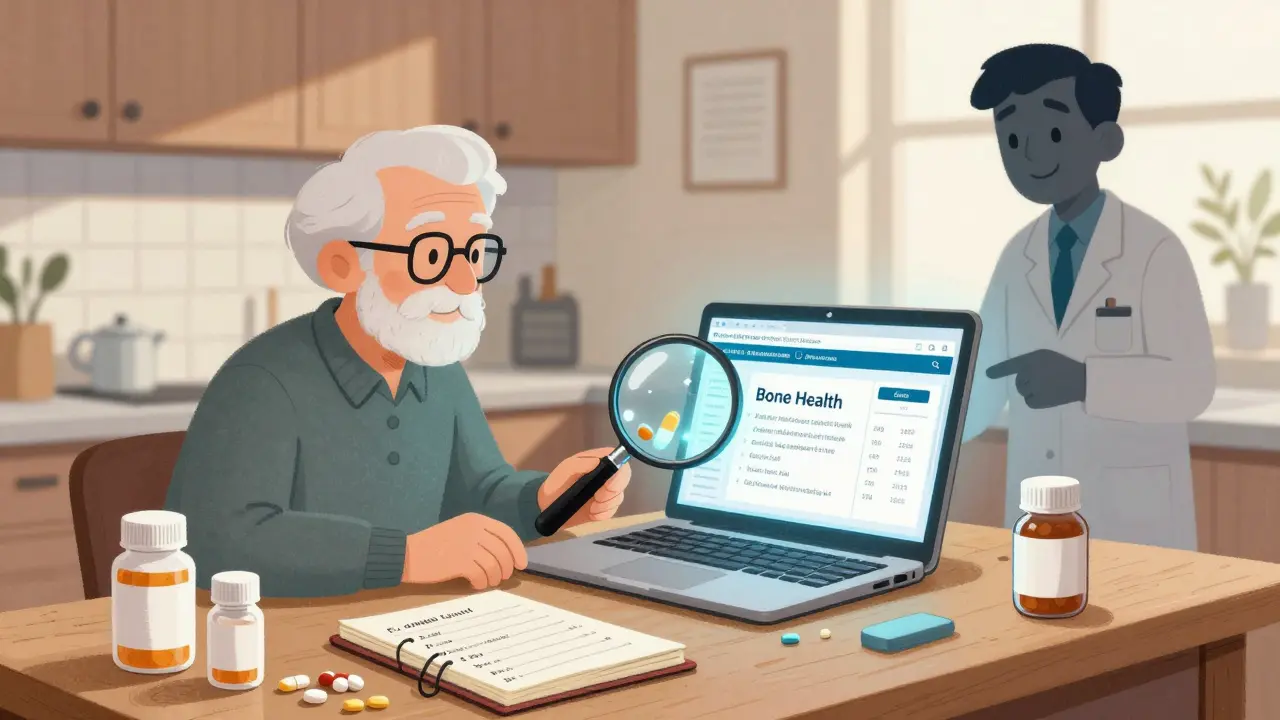
How to Protect Yourself
You don’t need to avoid OTC meds entirely. But you do need to be smarter about them. Check the FDA’s Health Fraud Product Database. Before buying any supplement, go to the FDA’s website and search the product name. If it’s listed, don’t touch it. Even if it’s not listed, that doesn’t mean it’s safe-but it’s a starting point. Look for third-party seals. USP, NSF International, and ConsumerLab.com test supplements for what’s on the label-and what’s not. These aren’t perfect, but they’re the best option available. If a product doesn’t have one of these seals, treat it with suspicion. Use the 5-5-5 Rule. Before you buy any OTC product:- Spent 5 minutes Googling the product name + "contamination" or "FDA warning."
- Spent 5 minutes checking the FDA’s database.
- Spent 5 minutes asking your pharmacist: "Is this safe with my other meds?"
The Bigger Problem
This isn’t just about bad actors. It’s about a broken system. The FDA has only 17 full-time staff members dedicated to overseeing the entire dietary supplement industry in the U.S. That’s less than one person per 10,000 products on the market. Meanwhile, the industry makes over $55 billion a year. Companies know the odds are stacked in their favor. They can slap on a "natural" label, ship a product with hidden drugs, and wait for someone to get hurt before the FDA even notices. And when they do get caught? It takes an average of 14 months to remove a dangerous product from shelves. By then, thousands of people may have already taken it. Worse, only 0.3% of adverse events are ever reported to the FDA. That means for every one case that shows up in their database, there are hundreds going unnoticed. Congress is trying to fix this. The 2023 OTC Medication Safety Act proposes mandatory reporting and stronger FDA powers. But until it becomes law, the responsibility falls on you.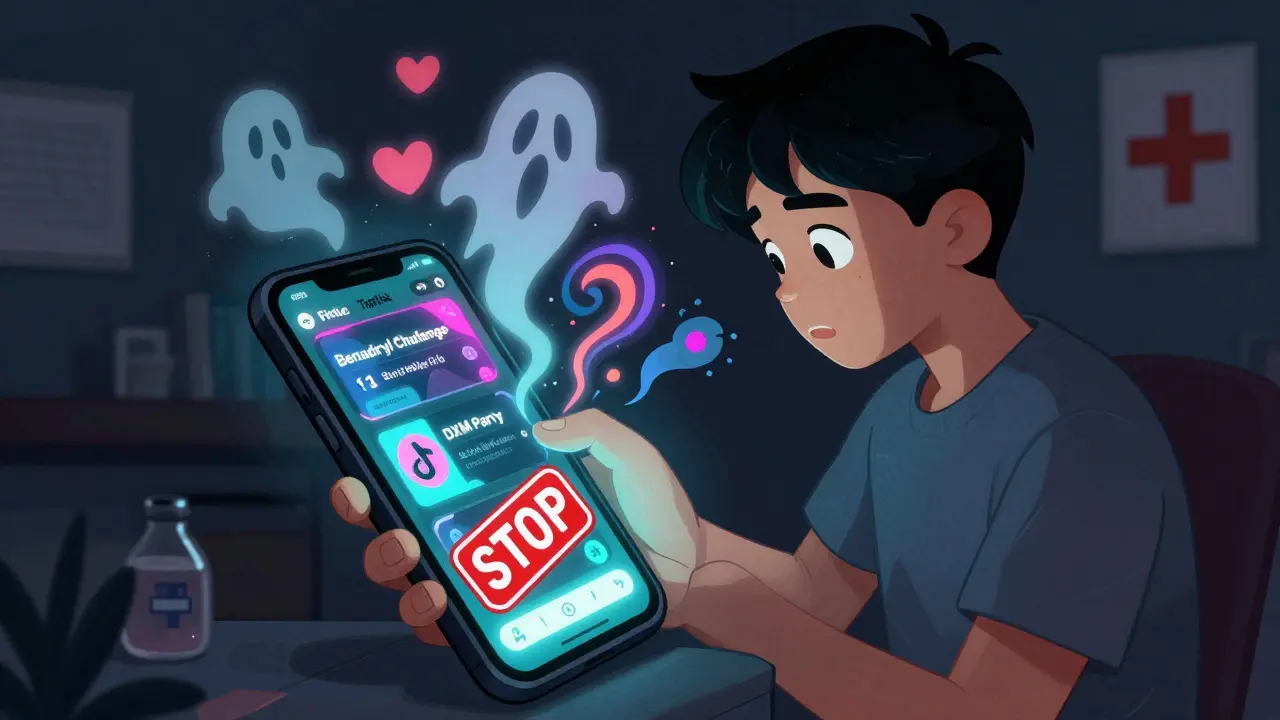
What to Do If You Think You’ve Been Affected
If you’ve taken an OTC product and experienced:- Sudden high blood pressure
- Unexplained rapid heartbeat
- Severe stomach pain or bleeding
- Prolonged erection
- Confusion, seizures, or hallucinations
- Jaundice (yellow skin or eyes)
Sophia Daniels
December 24, 2025 AT 21:26Okay, let me just say this - if you’re still buying "natural" weight loss pills from a gas station, you deserve what you get. I saw a guy in Walmart last week buying one labeled "Fat Burner Extreme" - the bottle had more ingredients than my ex’s text history. Sibutramine? In 2024? Bro, that stuff got banned because people were dropping dead like it was a TikTok challenge. And don’t even get me started on those "herbal" erection boosters. My uncle took one and ended up in the ER with a 17-hour boner. Seventeen. Hours. He said it felt like his penis was hosting a rave. This isn’t science - it’s horror fiction with a price tag.
And don’t tell me "it’s just a supplement." If it works like a drug, it IS a drug. The FDA’s got 17 people watching 55 BILLION dollars worth of snake oil? That’s not oversight - that’s a joke written by a intern on Adderall. I’m not mad. I’m just disappointed. And honestly? Kinda scared for my grandma.
PS: If you’re using "natural" joint cream and you’re on aspirin? STOP. I’ve seen the ER reports. It’s like putting gasoline on a campfire and calling it "wellness.**
Brittany Fuhs
December 25, 2025 AT 19:23It is rather troubling, is it not, that the regulatory apparatus governing dietary supplements remains so egregiously under-resourced? The 1994 Act, while well-intentioned, has effectively created a legal loophole of monumental proportions. One cannot reasonably expect consumers to act as de facto pharmacologists when the very entities entrusted with public safety are operating with less than one full-time employee per ten thousand products. The absence of mandatory pre-market testing is not merely negligent - it is a dereliction of duty on a systemic level. One wonders whether the pharmaceutical industry’s lobbying power has rendered the FDA impotent. The anecdotal evidence cited - sibutramine, undisclosed NSAIDs, adulterated sexual enhancers - is not exceptional. It is, regrettably, the norm. The onus should not rest on the consumer to Google "contamination" before each purchase. It should rest on the state to protect its citizens.
And yet, we are told to "be smart." As if ignorance is a moral failing rather than a structural failure.
sakshi nagpal
December 26, 2025 AT 00:15This is such an important topic - especially in countries like India where people buy OTC meds from roadside shops without checking labels. I’ve seen my aunt take "Ayurvedic pain relief" that had hidden diclofenac in it - she ended up with stomach ulcers. No one told her. The shopkeeper didn’t even know.
But here’s the thing - it’s not just about regulation. It’s about education. We need community health workers, school programs, even WhatsApp groups that teach people how to read labels and check FDA databases. In my village, people trust "natural" because they don’t trust big pharma. But they don’t realize that "natural" can be just as dangerous.
I’m glad the post mentioned pharmacists. In India, pharmacists are often the only trained people available. We need to empower them - not just as sellers, but as educators. And maybe, just maybe, we can start with a simple rule: if it promises results too fast, walk away.
Also, the FDA database link? I’m sharing it right now with my family. Thank you for this.
Sandeep Jain
December 26, 2025 AT 13:26bro i had no idea this was so bad. i used to buy those "muscle builder" shakes from the gas station. thought they were just protein with weird herbs. turns out one had clenbuterol in it? that’s a horse asthma drug. i’m lucky i didn’t have a heart attack. my friend’s cousin took one and ended up in the hospital with his heart racing like a jackhammer. i’m deleting all my supplement apps now. and yeah, i’m telling my mom to stop buying those "anti-aging creams" she got from that influencer on instagram. she’s 68 and on blood thinners. this is scary stuff. thanks for posting this.
ps: i’m gonna print out that 5-5-5 rule and tape it to my fridge.
roger dalomba
December 27, 2025 AT 15:42Wow. A 1500-word essay on how supplements are dangerous. Groundbreaking. Next you’ll tell us water can drown people.
Also, I’m pretty sure the FDA has more than 17 people. You’re just bad at googling. And no, I’m not taking your word for it - I’m taking my lawyer’s word. He says if you get hurt by a supplement, sue the guy who sold it. Not the FDA. Not the government. The guy who put "natural" on a bottle full of steroids.
So yeah. Don’t be an idiot. But don’t act like this is a conspiracy. It’s just capitalism. With extra steps.
Nikki Brown
December 27, 2025 AT 21:11My heart is breaking. 😭
Did you know that 15-year-olds are dying from Benadryl parties? 15. YEARS. OLD. And people call it "a challenge" like it’s a dance-off? 🤢 I’m not even mad - I’m devastated. My niece took 10 pills last month because her friend dared her. She’s fine now - but her brain? It’s not the same. She forgets names. She cries for no reason. The doctors said it was serotonin syndrome. SEROTONIN SYNDROME. FROM BENADRYL.
How do we live in a world where this is normal? Where kids think poisoning themselves is cool? Where companies profit off of ignorance? I’m not just angry. I’m GUILTY. Because I didn’t speak up. I didn’t check my supplements. I didn’t ask my pharmacist.
From now on - I’m reading every label. Every. Single. One. And I’m telling everyone I know. This isn’t just about health. It’s about love. 💔
Peter sullen
December 29, 2025 AT 13:40It is imperative, in the context of contemporary pharmacovigilance, to acknowledge the structural inadequacies inherent in the current regulatory paradigm governing over-the-counter pharmaceuticals and dietary supplements. The absence of mandatory pre-market verification, coupled with the under-resourcing of the FDA’s Office of Dietary Supplement Programs, constitutes a systemic failure of risk mitigation. Moreover, the proliferation of adulterated products - particularly those containing unapproved pharmaceutical agents such as sibutramine, sildenafil, and undisclosed NSAIDs - presents a significant public health burden, manifesting in elevated rates of gastrointestinal hemorrhage, cardiovascular events, and hepatotoxicity.
Furthermore, the underreporting of adverse events (0.3% of total incidents) suggests a profound disconnect between consumer behavior and pharmacological surveillance infrastructure. The 5-5-5 Rule, while commendable as a consumer-driven mitigation strategy, remains insufficient without institutional reform. Mandatory product registration, real-time batch tracking, and third-party certification via USP/NSF should be codified into federal law - not left to voluntary compliance.
Until such time, the burden of due diligence rests upon the individual - and while commendable, this is a pyrrhic victory in the face of institutional negligence.
Steven Destiny
December 30, 2025 AT 00:08STOP. JUST STOP. You think this is bad? Wait till you hear what’s in the "immune boosters" being sold at yoga studios. I did a deep dive - one of them had arsenic. ARSENIC. Not a little. Enough to mess with your liver for life. And the company? Still selling it. On Amazon. With 4.8 stars.
People are dying because they trust influencers more than doctors. They trust "organic" more than science. They trust "made in the USA" more than a lab report.
I’m not here to be gentle. I’m here to save lives. If you’re taking something that doesn’t have a USP seal, you’re playing Russian roulette with your organs. And if you’re not checking the FDA database? You’re not just careless - you’re dangerous.
So here’s my challenge: Go to the FDA site right now. Type in your favorite supplement. If it’s not there, you’re not safe. You’re just lucky.
And if you’re still buying that "magic" weight loss tea? You’re not a health enthusiast. You’re a sucker.
Wake up. Before it’s too late.