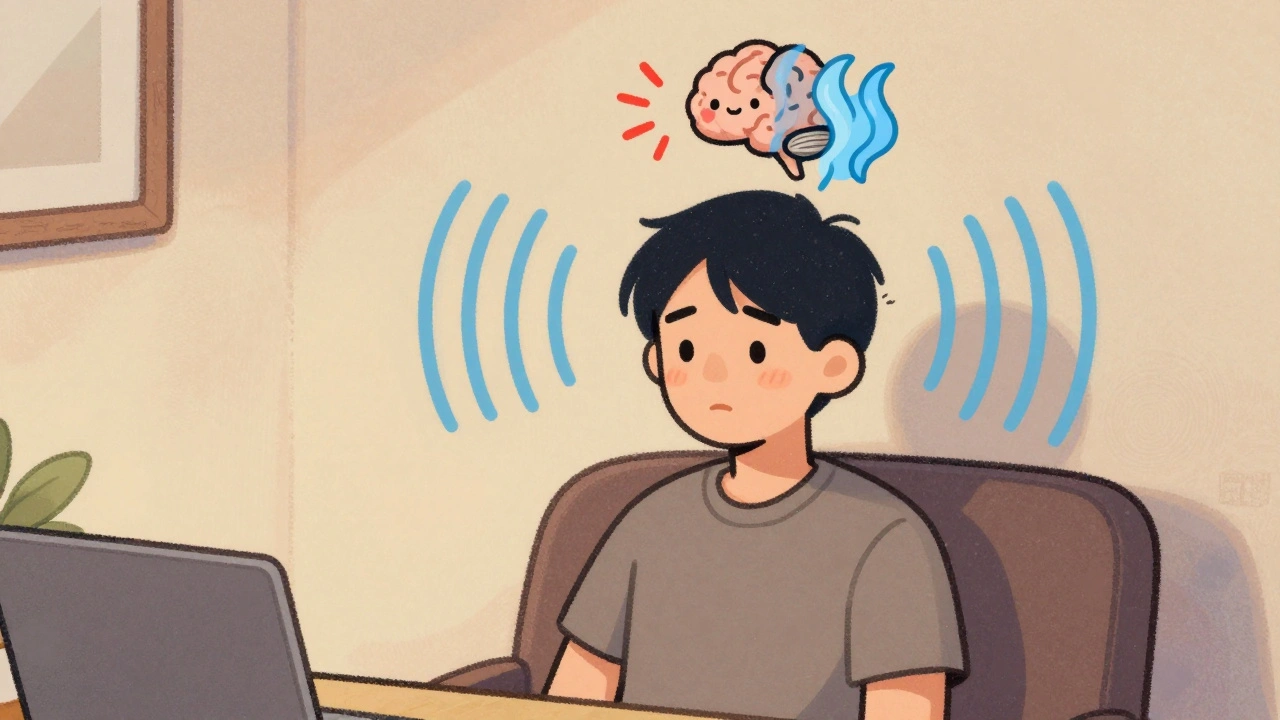
For many people, tinnitus isn’t just a ringing in the ears-it’s a constant, intrusive presence that steals sleep, fuels anxiety, and makes concentration impossible. You might have tried earplugs, white noise machines, or even medications, but nothing seems to take the edge off. What if the goal isn’t to silence the sound, but to stop your brain from reacting to it? That’s the core idea behind tinnitus retraining therapy (TRT), a science-backed approach that’s helped tens of thousands of people regain peace of mind-not by making the noise disappear, but by making it irrelevant.
Why Tinnitus Feels So Overwhelming
Tinnitus isn’t a disease. It’s a symptom, often caused by hearing damage, stress, or neurological changes. But here’s the twist: the sound itself isn’t what makes it unbearable. It’s what your brain does with it. When tinnitus first appears, your brain treats it like a threat-like a smoke alarm going off in the middle of the night. Your amygdala (the fear center) and autonomic nervous system kick into high gear. Your heart races. You feel tense. You start scanning for the sound. You avoid quiet rooms. You check your hearing constantly. This creates a feedback loop: the more you notice it, the more your brain thinks it’s dangerous-and the louder it seems. This isn’t just in your head. Brain scans from 2018 and 2020 show stronger connections between the auditory cortex and emotional centers in people with distressing tinnitus. The signal isn’t louder-it’s being amplified by fear.What Is Tinnitus Retraining Therapy (TRT)?
Developed in the early 1990s by Dr. Pawel Jastreboff, TRT was designed to break that fear loop. Unlike hearing aids or masking devices that try to cover up the sound, TRT works at the neurological level. It’s based on one simple principle: your brain can unlearn what it’s learned. If your brain can be trained to see tinnitus as a harmless background noise-like the hum of a refrigerator-it will stop reacting to it. TRT has two parts: counseling and sound therapy. Neither works well without the other. But the counseling? That’s where the real change happens.The Counseling: Rewiring Your Brain’s Response
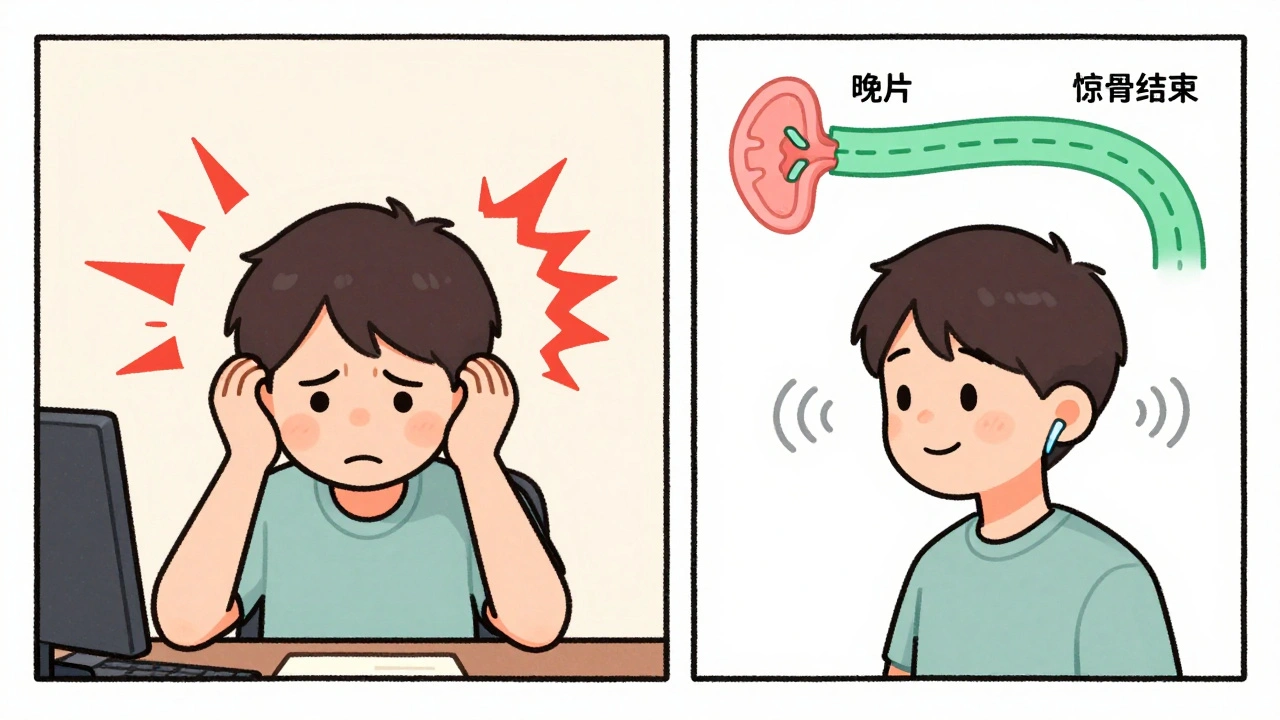
In TRT, you don’t just get a pamphlet. You sit down with a trained audiologist for hour-long sessions, usually once a month for the first three months, then every few months for up to two years. These aren’t therapy sessions in the psychological sense. They’re education sessions-deep, detailed, and tailored to your case. You’ll learn how your ears work: how sound travels from the cochlea, how hair cells send signals to the brain, how the brain filters out unimportant noise. You’ll see diagrams of the auditory pathway and how tinnitus can emerge from damage or overactivity in that system. You’ll learn that tinnitus doesn’t mean your hearing is getting worse. It doesn’t mean you’re going deaf. It doesn’t mean something’s seriously wrong. The goal? To remove the emotional charge. When you understand that tinnitus is just a byproduct of your nervous system-not a warning sign-your brain starts to relax. It stops treating the sound like an emergency. This process is called reclassification. You’re not ignoring the tinnitus. You’re redefining it. Studies show this counseling component accounts for 60-70% of TRT’s success. People who get this part right report feeling less anxious, sleeping better, and no longer dreading quiet moments.The Sound Therapy: Softening the Contrast
While counseling rewires your emotional response, sound therapy rewires your auditory system. The idea is simple: if tinnitus is too loud compared to background noise, your brain fixates on it. So you add low-level, non-intrusive sound-just enough to reduce the contrast. This isn’t blasting music or white noise. It’s a gentle, continuous sound-like static, rainfall, or ocean waves-delivered through small devices worn in the ears (called sound generators) or through hearing aids if you have hearing loss. The volume is set just below your tinnitus level. You wear them for 6-8 hours a day, while awake. Not to mask the tinnitus, but to help your brain adapt to it. Think of it like this: if you live near a train track, you eventually stop noticing the rumble. TRT does the same thing, but for your brain’s internal noise. Patients are grouped into four categories based on their hearing and tinnitus profile:- Group 1: Normal hearing, no hearing loss-use sound generators only.
- Group 2: Hearing loss, but don’t notice tinnitus in quiet-use hearing aids only.
- Group 3: Hearing loss + noticeable tinnitus-use both hearing aids and sound generators.
- Group 4: Sensitive to everyday sounds (hyperacusis)-need modified sound protocols.
How Long Does TRT Take? What Results Can You Expect?
TRT isn’t a quick fix. It’s a slow, deliberate process. Most people start noticing changes between 6 and 12 months. Full habituation-where tinnitus barely registers-usually takes 12 to 24 months. Success isn’t measured by silence. It’s measured by awareness. Before TRT, many people report being aware of tinnitus 80-100% of their waking hours. After successful treatment, that drops to 5-15%. You still hear it. But you don’t care. Clinical studies back this up. A 2002 study in the Journal of the American Academy of Audiology found 80% of patients had a significant drop in distress after two years. A 2019 review in JAMA Otolaryngology showed TRT improved tinnitus symptoms far more than standard care-by an average of 13 points on a standardized scale. The most telling sign? People stop talking about it. They stop Googling it. They stop checking their hearing. They stop avoiding restaurants, libraries, or quiet walks.Who Offers TRT? And Is It Accessible?
TRT isn’t offered everywhere. It requires specialized training. The Jastreboff Certification Program demands 40 hours of coursework and supervised clinical practice. As of 2023, there are only about 500 certified TRT practitioners in the United States. In Canada, access is even more limited. Most audiologists aren’t trained in TRT. You’ll likely need to travel to a major city or find a provider who offers telehealth sessions-something the Jastreboff Foundation began offering in 2021 to expand reach. Costs vary. In the U.S., the full program runs $2,500-$4,000, with sound generators costing $500-$1,200 each. Insurance rarely covers it. But many patients say it’s the best money they’ve ever spent-not because it cured their tinnitus, but because it gave them their life back.The Criticisms and Controversies
Not everyone agrees TRT is the gold standard. Some researchers, like Dr. Richard Tyler from the University of Iowa, argue that the specific counseling protocol doesn’t offer much more than general education. He says many of the benefits could come from just talking to a knowledgeable clinician. There’s also the dropout rate. About 30-40% of people quit before completing the 12-month program. Why? Because it’s tedious. Wearing sound generators all day. Going to monthly appointments. Waiting months to feel better. It’s hard to stay motivated when you don’t see immediate results. And then there’s the issue of implementation. A 2020 study found that certified TRT providers achieved an 85% success rate. Non-certified providers using modified versions? Only 55%. That’s a huge gap. If you’re going to try TRT, make sure your provider is certified.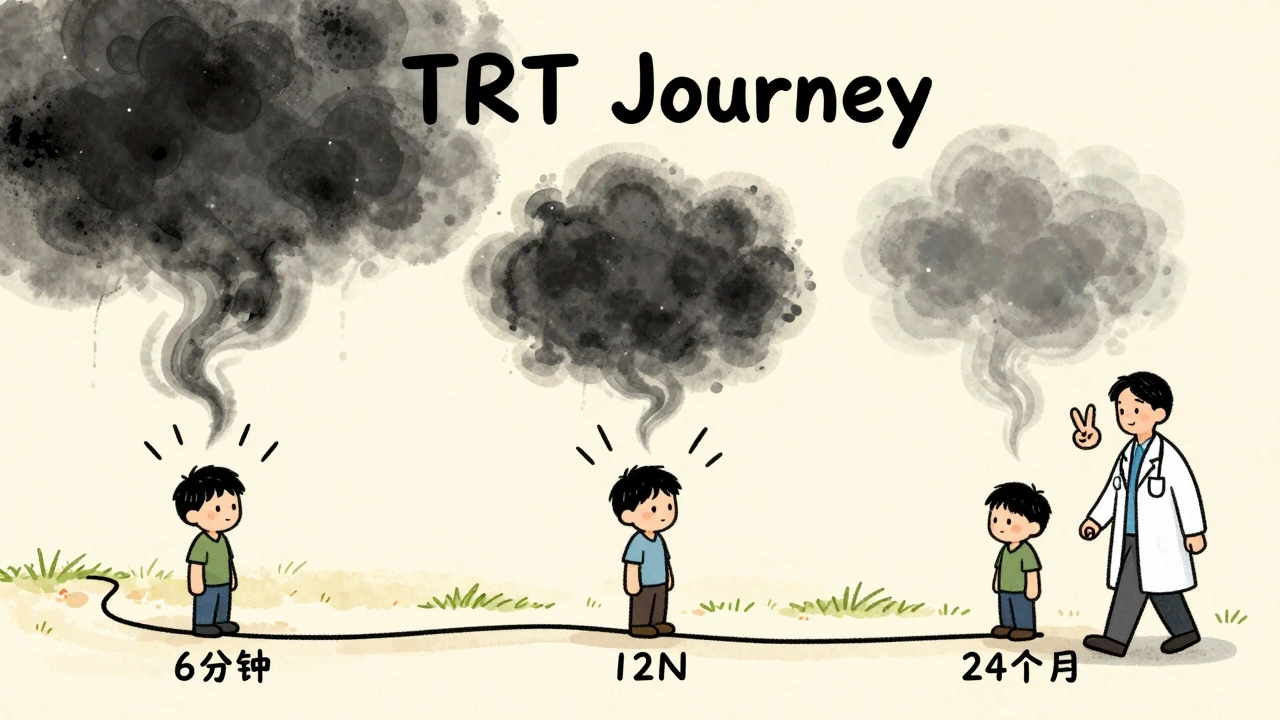
TRT vs. Other Treatments
TRT isn’t the only option. Cognitive Behavioral Therapy (CBT) for tinnitus is another evidence-based approach. CBT focuses on changing thoughts and behaviors around tinnitus-like reducing avoidance, managing anxiety, and improving sleep. It’s often shorter, cheaper, and easier to find. But TRT goes deeper. It doesn’t just help you cope. It rewires how your brain processes the sound. CBT helps you live with tinnitus. TRT helps you forget it’s there. The American Tinnitus Association lists both as Level A treatments-meaning they’re strongly supported by science. Many clinics now combine them: counseling for the brain, CBT for the mind, and sound therapy for the ears.Is TRT Right for You?
TRT works best if:- You’re willing to commit to 12-24 months of consistent effort.
- You can tolerate wearing sound generators for several hours a day.
- You’re ready to learn the science behind your tinnitus-not just fix it.
- You’ve tried quick fixes that didn’t work.
What’s Next for TRT?
Research is evolving. A 2023 clinical trial is testing TRT combined with transcranial magnetic stimulation (TMS)-a non-invasive brain stimulation technique. Early results show 92% of participants improved in just six months, compared to 78% with TRT alone. Digital tools are also emerging. Apps now offer guided sound therapy and virtual counseling modules. While they’re not a replacement for certified TRT, they’re making elements of the therapy more accessible. The bottom line? TRT isn’t magic. But it’s one of the few treatments that doesn’t just manage tinnitus-it changes how your brain relates to it. And for many, that’s the difference between living in fear and living normally again.Does tinnitus retraining therapy actually work?
Yes, when delivered correctly. Clinical studies show 75-85% of patients experience significant improvement in distress after 12-24 months of proper TRT. Success isn’t measured by silence-it’s measured by reduced emotional reaction. Many people still hear their tinnitus but no longer feel bothered by it.
How long does TRT take to work?
Most people notice changes between 6 and 12 months. Full habituation-where tinnitus barely registers-typically takes 12 to 24 months. Patience and consistency are critical. It’s not a quick fix, but the results are lasting.
Do I need hearing aids for TRT?
Only if you have hearing loss. TRT is customized based on your hearing profile. If you have normal hearing, you’ll use sound generators alone. If you have hearing loss, you’ll likely use hearing aids with built-in sound therapy features. Your audiologist will determine your group during the initial assessment.
Can I do TRT at home without a specialist?
Not fully. While you can buy sound generators or use apps for sound therapy, the counseling component is essential-and only certified TRT providers are trained to deliver it properly. Without the reclassification process, you’re missing the core mechanism that makes TRT work. DIY approaches often lead to frustration or minimal results.
Is TRT covered by insurance?
Rarely. In most cases, TRT is considered an out-of-pocket expense. Costs range from $2,500 to $4,000 for the full program, including devices. Some extended health plans may cover part of the cost if you have audiologist services included. Always check with your provider.
What’s the difference between TRT and CBT for tinnitus?
TRT targets the brain’s automatic processing of sound through neurophysiological retraining and sound therapy. CBT focuses on changing thoughts and behaviors-like reducing anxiety, avoiding silence, or catastrophizing. TRT rewires perception; CBT changes response. Many patients benefit from a combination of both.
Are sound generators uncomfortable to wear all day?
They’re designed to be barely noticeable. Most people describe the sound as a soft hiss or static, quieter than a fan. It takes a few days to adjust, but once you do, you often forget they’re there. Many wear them while working, reading, or even sleeping. Comfort improves with time and proper fitting.
Sheldon Bird
December 13, 2025 AT 08:10Karen Mccullouch
December 14, 2025 AT 22:57Michael Gardner
December 15, 2025 AT 22:03Willie Onst
December 15, 2025 AT 23:40Tyrone Marshall
December 16, 2025 AT 18:32Emily Haworth
December 17, 2025 AT 19:12Tom Zerkoff
December 19, 2025 AT 08:41Webster Bull
December 19, 2025 AT 16:03Deborah Andrich
December 21, 2025 AT 00:22Tommy Watson
December 22, 2025 AT 15:45Donna Hammond
December 23, 2025 AT 02:23Richard Ayres
December 23, 2025 AT 12:05Jade Hovet
December 24, 2025 AT 08:33nithin Kuntumadugu
December 24, 2025 AT 21:37