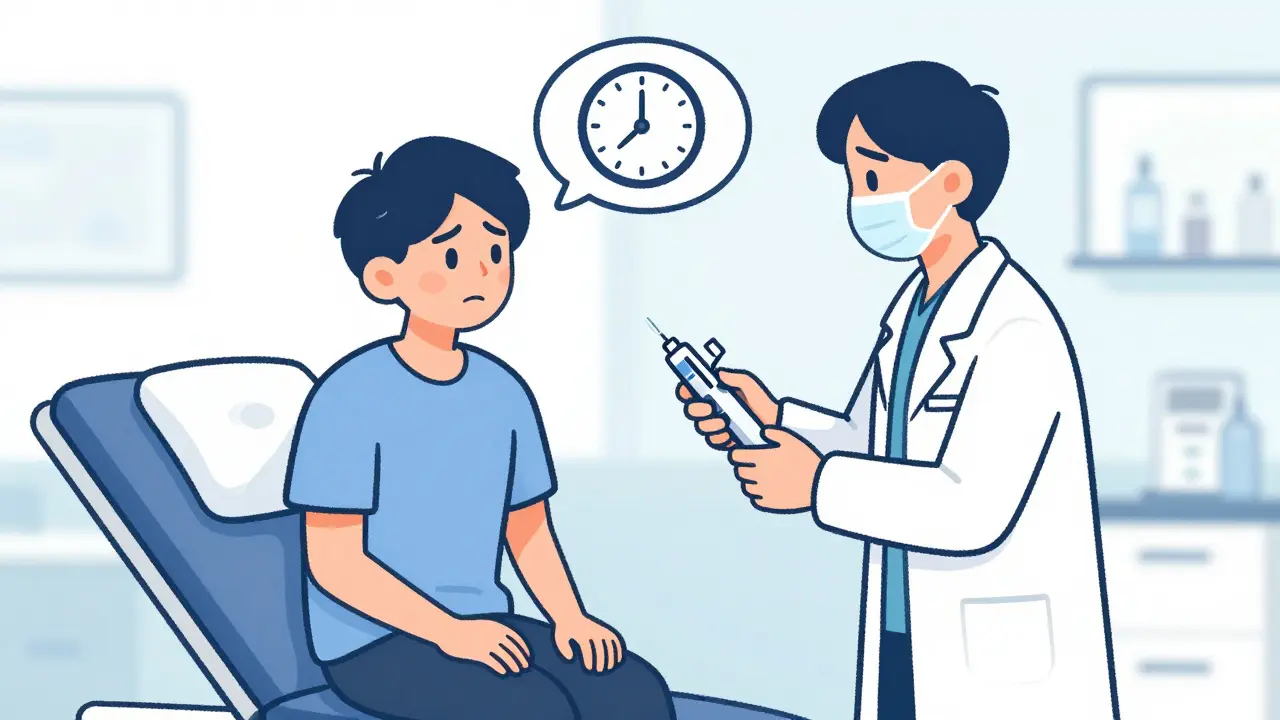
Imagine being handed a complex medical device that you must use on yourself, once or twice a week, for years. Now imagine the person handing it to you only has thirty minutes to teach you how to do it safely. This is the reality for millions of patients starting biologic therapies, which are complex, large-molecule drugs derived from living organisms used to treat conditions like rheumatoid arthritis, psoriasis, and Crohn's disease. As these treatments move from clinic-administered infusions to self-injected pens and syringes at home, the stakes have never been higher. A mistake isn't just an inconvenience; it can lead to treatment failure, severe pain, or serious infections.
The Hidden Gap in Biologic Injection Training
You might assume that before you leave the doctor’s office with your first dose, you’ve received thorough, standardized training. The data suggests otherwise. While 91.7% of patients report receiving some form of formal self-injection training, the quality and depth vary wildly. A 2022 study published in PubMed by Hawthorne et al. revealed that this training is often compressed into just one or two sessions, averaging a mere 37.8 minutes according to patient reports. Healthcare providers often cite time constraints as the primary barrier, reporting even shorter durations of around 30 minutes.
This "crash course" approach leaves significant gaps. Research from Dove Medical Press (2021) found that approximately one-third of patients received either no training at all or only verbal instructions. Shockingly, 11.5% of biologic-naïve participants were sent home without any hands-on practice. When training is rushed, patients miss critical nuances. The core components of effective training-verbal instruction ('tell'), demonstration ('show'), and supervised practice ('try/do')-are rarely delivered comprehensively. Only 27% of patients in that same study received all three essential elements. Without this complete cycle, confidence plummets, and error rates skyrocket during those crucial first months at home.
Why Technique Matters for Infection Prevention
It’s easy to dismiss injection errors as minor annoyances, but improper technique directly correlates with health risks. The Centers for Disease Control and Prevention (CDC) updated their injection safety guidelines in 2022, emphasizing that compromised sterile fields due to poor technique can increase infection risk by 37%. For biologics, which often suppress the immune system, even a minor skin infection can escalate quickly.
Common technical errors include failing to rotate injection sites properly, not cleaning the skin adequately, or removing the needle too soon after injection. The CDC notes that improper self-injection contributes to 12.7% of all outpatient skin and soft tissue infections related to injectable medications. Symptoms to watch for include redness exceeding 2cm in diameter, swelling, warmth, or a fever above 100.4°F (38°C). If you notice these signs, you shouldn’t ignore them; they are early warnings of potential complications that require immediate medical attention. Understanding that your technique directly impacts your safety transforms the injection from a chore into a critical self-care ritual.
Bridging the Divide: Clinic vs. Home Reality
There is a stark contrast between the controlled environment of a clinic and the distractions of a home setting. In a clinic, lighting is bright, surfaces are clean, and a professional is watching over you. At home, you might be dealing with anxiety, poor lighting, or interruptions. The Rheumatologist (2021) reported that 68% of technique errors occur during the first ten home injections. Why? Because anxiety and lack of immediate support create a barrier that standard training fails to address.
Modern biologic devices, particularly pen-like mechanisms, are designed to reduce visual anxiety by concealing the needle. However, this convenience requires specific handling techniques that aren't always intuitive. Patients need to understand the weight, size, and activation mechanism of their specific device. Training devices-which replicate the real thing but contain no medication-are invaluable tools here. Yet, many patients don't get enough time to practice with them. Allowing patients to handle and manipulate these trainers during sessions reduces needle anxiety by 65%. It’s about building muscle memory so that when you’re alone in your bathroom, your hands know what to do even if your mind is racing.
A Better Way: Distributed Training and Rituals
If single-session training is flawed, what works better? Evidence points strongly toward distributed learning. Drug Delivery Business Journal (2023) recommends breaking training into multiple short, frequent sessions rather than one marathon event. This approach increased patient retention of critical steps by 62% compared to traditional methods. Think of it like learning to drive; you wouldn’t expect to master it after one hour behind the wheel.
Another powerful strategy is the 'teach-back' method. Instead of just listening, you demonstrate the process back to the healthcare provider. Studies show this is 3.2 times more effective than passive instruction alone. It forces active engagement and reveals misunderstandings immediately.
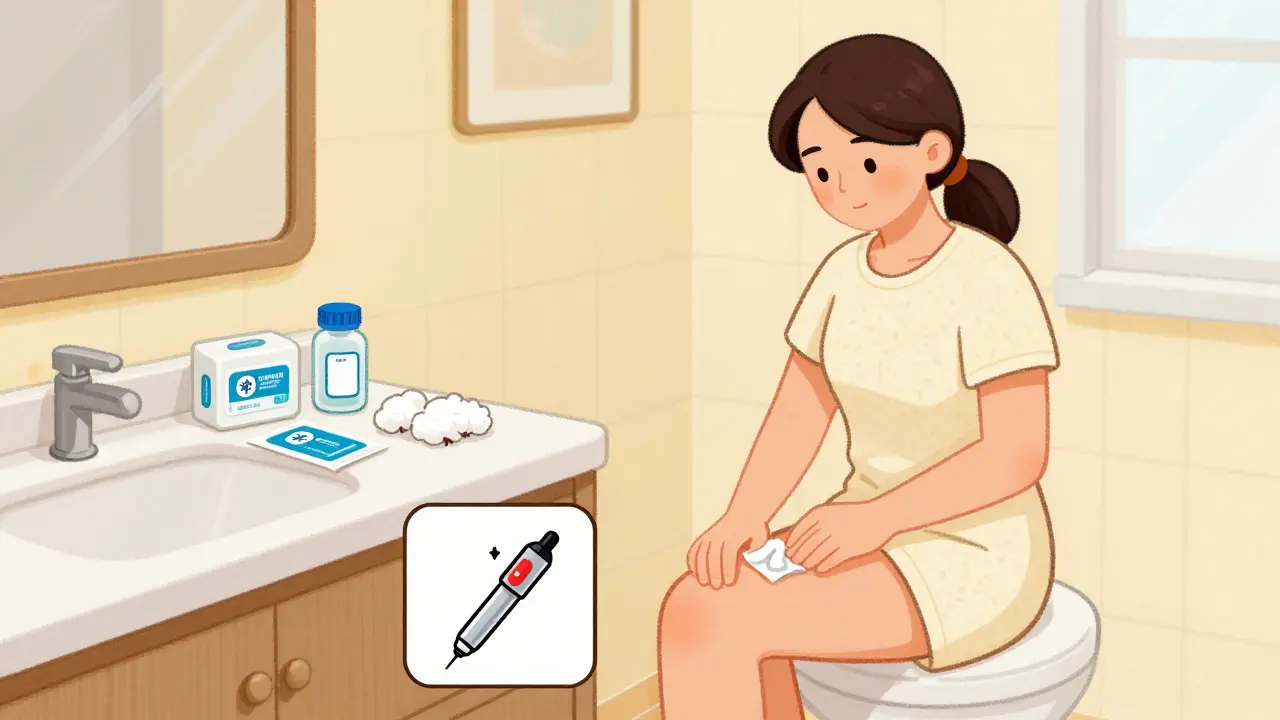
Perhaps most surprisingly, emotional preparation is just as vital as mechanical skill. James Hawthorne noted that emotional factors contribute to 57% of early treatment discontinuations, even among patients who technically know how to inject. Successful patients often develop 'rituals'-consistent routines for time, place, and process. These rituals serve as emotional coping strategies. Creating a calm, dedicated space for your injection, perhaps with a deep breath before you start, can significantly reduce anxiety-related errors. Integrating 'ritual training' into standard protocols has been shown to reduce anxiety-related errors by 53% and improve adherence by 41% over six months.
| Training Model | Key Characteristics | Effectiveness Metric | Best For |
|---|---|---|---|
| Single-Session (Traditional) | One-off session, ~30 mins, focus on mechanics | High initial drop-off, 68% errors in first 10 home doses | Patients with high baseline confidence |
| Distributed Learning | Multiple short sessions, spaced over weeks | 62% higher retention of critical steps | New users, anxious patients |
| Teach-Back Method | Patient demonstrates technique to provider | 3.2x more effective than passive listening | Ensuring competency verification |
| Ritual-Based Training | Incorporates emotional coping, routine building | 53% reduction in anxiety-related errors | Long-term adherence and mental health |
Practical Steps for Safer Self-Injection
To maximize safety and minimize infection risk, adopt a structured approach to your self-injection routine. Here is a checklist based on best practices from clinical guidelines:
- Preparation is Key: Ensure you have adequate lighting and a clean workspace. Gather all supplies-alcohol wipes, cotton balls, sharps container-before you start. Don’t hunt for items mid-procedure.
- Hand Hygiene: Wash your hands with soap and water for at least 20 seconds. This is the single most effective step in preventing surface contamination.
- Site Selection and Rotation: Use recommended areas such as the thigh, abdomen, or upper arm. Always maintain a minimum of 1-inch spacing between injection sites to prevent tissue damage and ensure consistent drug absorption. Keep a log or use an app to track where you’ve injected.
- Sterile Field Maintenance: Clean the injection site with an alcohol wipe and let it dry completely. Do not touch the cleaned area again before injecting.
- The 'Breathing Room' Technique: If you are practicing with a provider, ask them to gently place their hand over yours during the first few actual injections. This physical support prevents premature device removal in 88% of anxious patients.
- Post-Injection Monitoring: Check the site for immediate reactions. Monitor for delayed signs of infection like spreading redness or heat over the next 24 hours.
Follow-up visits are non-negotiable. Data shows that patients who receive three or more supervised practice opportunities demonstrate 94% proper technique retention at six months, compared to just 52% for those with only initial training. If your provider doesn’t offer follow-up demonstrations, request them. Your safety depends on it.
The Role of Pharmacists and Digital Tools
Don’t overlook the pharmacy. Pharmacists are often underutilized resources in biologic training. Allan Osiemo, PharmD, BCPS, developed the 'TEACH' framework specifically for addressing biologic hesitancy. Pharmacists specialize in medication counseling and can provide additional hands-on training, especially regarding storage, disposal, and troubleshooting device issues. They can bridge the gap between the doctor’s brief visit and your daily reality.
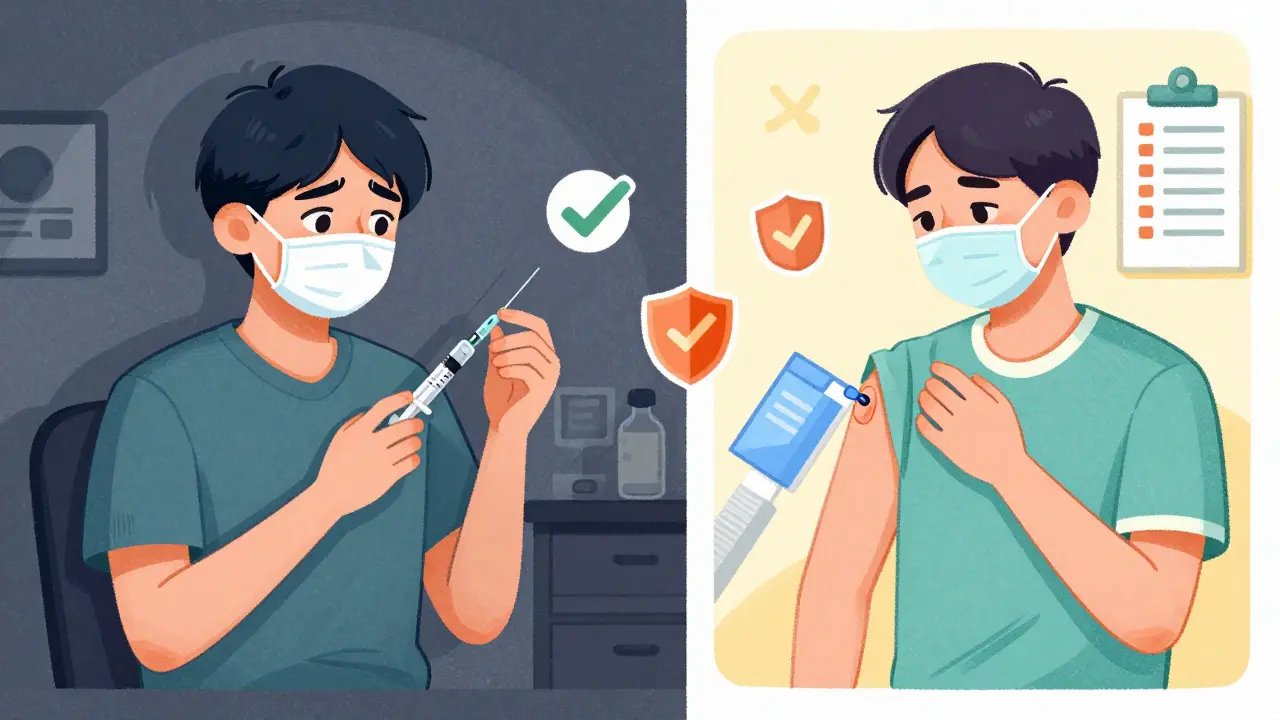
Digital tools are also evolving rapidly. Pharmaceutical manufacturers are launching comprehensive portals featuring video demonstrations, virtual coaching, and injection tracking. These 'just-in-time' resources, accessible right before you inject, have demonstrated a 48% reduction in technique errors during the first six months. Using these apps alongside formal training creates a safety net that ensures you never forget a step.
Conclusion: Empowerment Through Preparation
Starting a biologic therapy is a significant commitment, but it doesn’t have to be a source of fear. By recognizing the limitations of traditional training and actively seeking out distributed learning, teach-back verification, and emotional ritual-building, you take control of your health. Proper technique isn't just about getting the drug into your body; it's about protecting yourself from preventable infections and ensuring the therapy works as intended. Advocate for better training, utilize available digital resources, and remember that asking questions is a sign of strength, not weakness.
How long should biologic injection training take?
While current averages hover around 30-40 minutes in a single session, research indicates that optimal training requires 90-120 minutes distributed across multiple sessions. This allows for practice, feedback, and addressing emotional barriers, leading to significantly higher retention rates.
What are the signs of an infection from a biologic injection?
Early signs include redness exceeding 2cm in diameter, swelling, warmth at the injection site, or pus formation. Systemic signs may include a fever above 100.4°F (38°C), chills, or flu-like symptoms. Contact your healthcare provider immediately if you observe these symptoms.
Can I practice self-injection at home without supervision?
You can practice the mechanics using a training device provided by your manufacturer, which contains no medication. However, initial practice should ideally be supervised by a healthcare provider to correct technique errors. Never practice with actual medication unless instructed and monitored.
Why is rotating injection sites important?
Rotating sites prevents lipodystrophy (damage to fat tissue), which can affect how well the medication is absorbed. It also reduces the risk of localized irritation, scarring, and infection. Maintain at least a 1-inch distance between each new injection site.
What is the 'teach-back' method in injection training?
The teach-back method involves the patient demonstrating the injection procedure back to the healthcare provider after being instructed. This active recall technique ensures the patient has understood and retained the steps, proving to be 3.2 times more effective than passive listening.