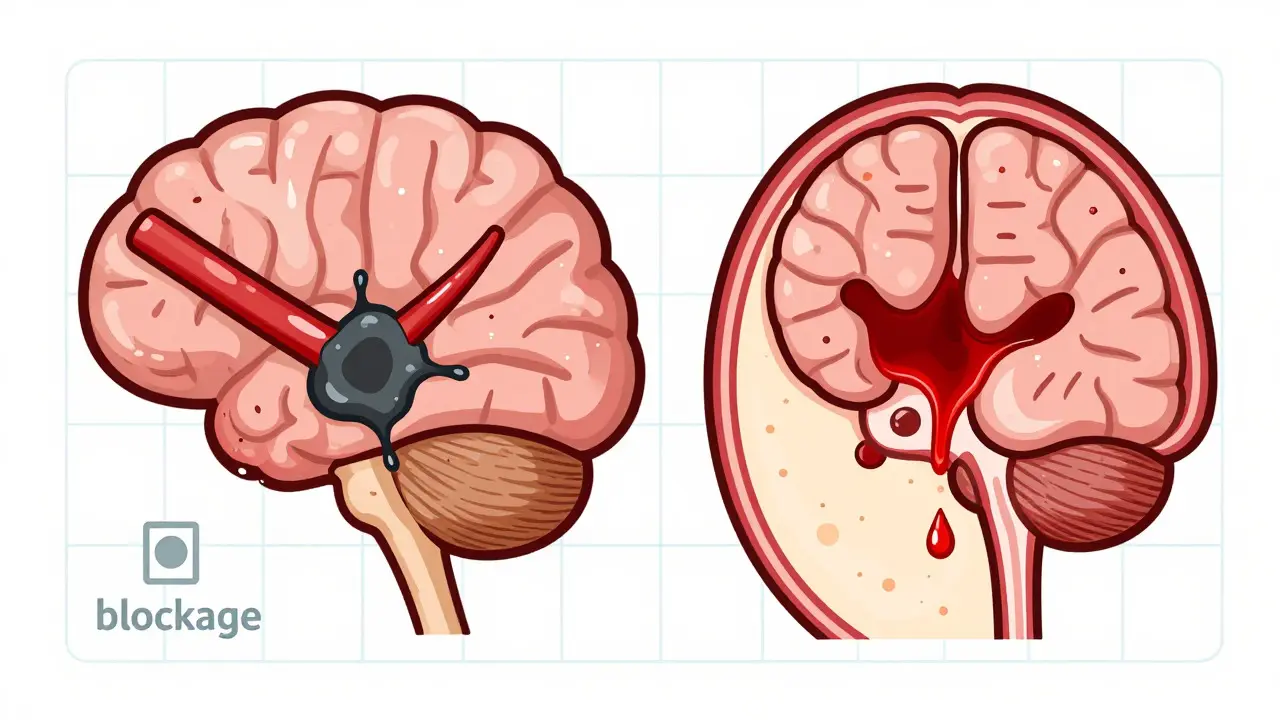
Imagine a sudden, crushing headache that feels like the worst pain you’ve ever experienced. Or perhaps it’s a slow numbness spreading down one side of your body over twenty minutes. Both scenarios signal a stroke, but they are fundamentally different medical emergencies requiring opposite treatments. Understanding the difference between an ischemic stroke, caused by a blockage, and a hemorrhagic stroke, caused by bleeding is not just academic-it is a matter of life and death.
Every minute counts when brain cells are dying due to lack of oxygen or pressure from blood leakage. While both types share similar warning signs, their causes, symptoms, and treatments diverge sharply. This guide breaks down exactly what happens inside the brain during each type of stroke, how to spot the subtle differences in symptoms, and evidence-based strategies to prevent them before they start.
The Core Difference: Blockage vs. Bleeding
To understand stroke treatment, you first need to grasp the mechanics of the event. The brain relies on a constant supply of oxygen-rich blood delivered through a complex network of arteries. When this flow is interrupted, brain tissue begins to die within minutes.
An ischemic stroke occurs when a blood vessel supplying the brain becomes blocked. Think of it like a clogged pipe in your home’s plumbing. Water stops flowing because debris has accumulated inside. In the brain, this debris is usually a blood clot (thrombus) or a piece of plaque (embolus) that travels from elsewhere in the body. According to the Centers for Disease Control and Prevention (CDC), ischemic strokes account for approximately 87% of all stroke cases. They are far more common, often developing gradually as the blockage worsens.
In contrast, a hemorrhagic stroke happens when a weakened blood vessel ruptures and leaks blood into or around the brain. Imagine that same pipe bursting under high pressure. The leaking blood creates pressure against the delicate brain tissue, causing damage both from the loss of blood flow downstream and from the physical compression of the bleed. These strokes make up about 13-15% of cases but carry a higher immediate mortality rate because the bleeding can be rapid and severe.
| Feature | Ischemic Stroke | Hemorrhagic Stroke |
|---|---|---|
| Cause | Blood clot or plaque blockage | Ruptured blood vessel |
| Prevalence | ~87% of all strokes | ~13-15% of all strokes |
| Primary Risk Factor | Atrial fibrillation, atherosclerosis | Uncontrolled high blood pressure |
| Onset Speed | Can be gradual (minutes to hours) | Sudden, dramatic onset |
| Key Symptom Differentiator | Focal weakness, speech issues | Severe "thunderclap" headache, vomiting |
| Treatment Goal | Dissolve or remove clot | Stop bleeding, reduce pressure |
Decoding the Subtypes and Specific Symptoms
While the broad categories are clear, each type has subtypes that influence how symptoms present. Recognizing these nuances can help you describe your experience more accurately to emergency responders.
Ischemic strokes are divided into three main groups. Thrombotic strokes occur when a clot forms directly in an artery leading to the brain, often due to fatty deposits (atherosclerosis). This accounts for about 50% of ischemic cases. Embolic strokes happen when a clot forms elsewhere-often in the heart due to atrial fibrillation-and travels to the brain, representing roughly 20% of cases. The remaining 30% are cryptogenic strokes, where no clear cause is found despite thorough investigation. Symptoms here typically include sudden numbness on one side, confusion, trouble speaking, or vision problems. Patients often report symptoms worsening progressively over 15-20 minutes.
Hemorrhagic strokes split into intracerebral hemorrhage (bleeding within the brain tissue) and subarachnoid hemorrhage (bleeding on the surface of the brain, often from a ruptured aneurysm). The symptom profile here is distinctively aggressive. A 2017 study analyzing stroke patients found that 92.4% of hemorrhagic stroke victims reported a severe headache, compared to only 19% of ischemic patients. Other telltale signs include dilated pupils, eye gaze impairment, seizures, and agitation. Many survivors describe the onset as an "explosive" headache unlike anything they have felt before, sometimes accompanied by immediate loss of consciousness.
Why Timing Dictates Treatment
The phrase "time is brain" is not just a slogan; it is a clinical reality. For every minute a stroke goes untreated, the brain loses nearly two million neurons. However, the clock ticks differently depending on the stroke type because the treatments are opposites.
If you arrive at the hospital with an ischemic stroke, doctors want to dissolve the clot. The gold standard treatment is a thrombolytic medication called tPA (alteplase) or tenecteplase. This drug works best if administered within 3 to 4.5 hours of symptom onset. Recent advancements, such as the WAKE-UP trial extension, suggest that MRI-guided treatment might extend this window to 9 hours for select patients. Additionally, mechanical thrombectomy-a procedure where surgeons physically remove the clot-can be performed up to 24 hours after onset for large vessel blockages.
Conversely, if you have a hemorrhagic stroke, giving clot-dissolving drugs would be catastrophic. It would worsen the bleeding. Instead, treatment focuses on stopping the leak and reducing pressure in the skull. This may involve surgery to clip an aneurysm (placing a metal clip on the vessel neck) or coiling (inserting tiny platinum coils to seal the rupture). Medications to lower blood pressure and control swelling are also critical. The urgency here is to stabilize the patient and prevent further neurological damage from the expanding hematoma.
This is why immediate imaging is non-negotiable. Upon arrival at an Emergency Department, a non-contrast CT scan is performed instantly to distinguish between blood (bright on CT) and a clot (dark/ischemic changes). Only after this differentiation can the correct treatment path begin.
Evidence-Based Prevention Strategies
Prevention is not one-size-fits-all. Because the risk factors differ, your strategy should target the specific type of stroke you are most likely to face based on your health profile.
For Ischemic Stroke Prevention: The primary enemy is clots. If you have atrial fibrillation (an irregular heartbeat), your risk of embolic stroke increases by 500%. The American Heart Association recommends anticoagulant therapy (such as apixaban or warfarin) for these patients, which reduces stroke risk by 60-70%. For those without AFib but with cardiovascular disease, antiplatelet therapy like daily aspirin (81mg) or clopidogrel can reduce secondary stroke risk by 25%. Managing cholesterol levels to prevent plaque buildup in arteries is also crucial.
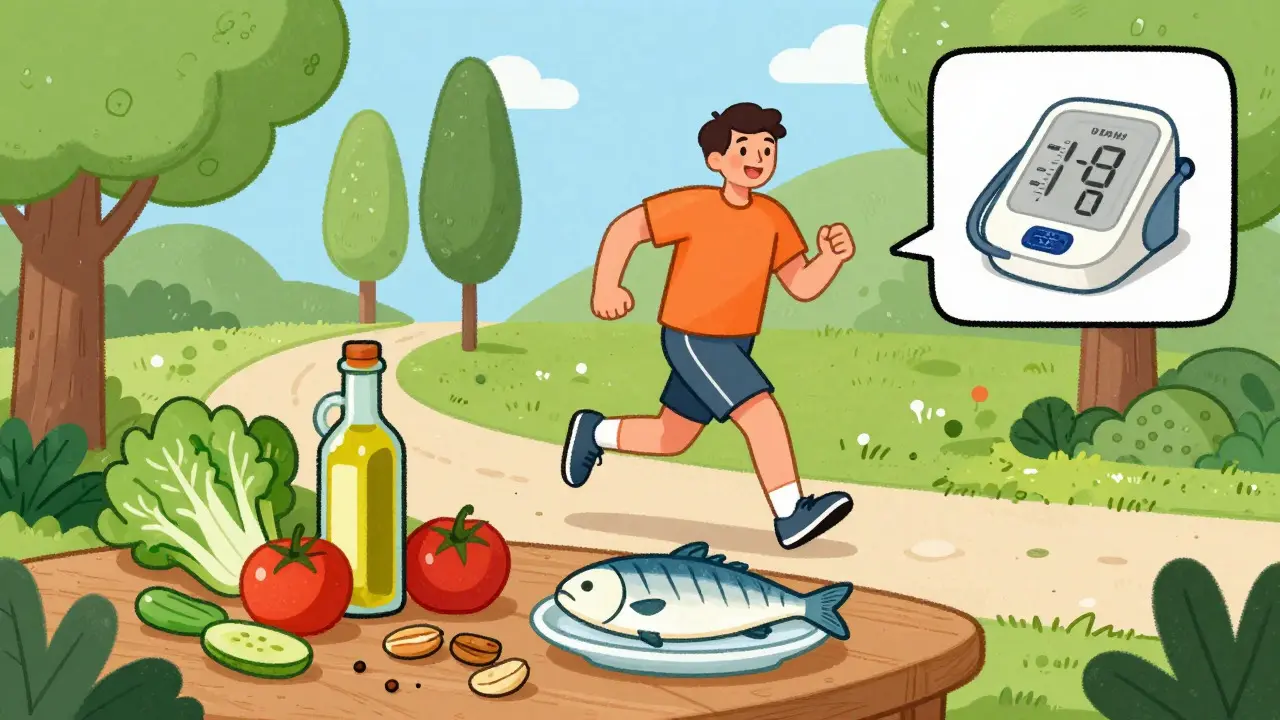
For Hemorrhagic Stroke Prevention: The primary enemy is pressure. Uncontrolled hypertension damages vessel walls over time, making them prone to rupture. The SPRINT trial demonstrated that maintaining systolic blood pressure below 120 mmHg (rather than the older standard of 140 mmHg) reduced hemorrhagic stroke risk by 38% in high-risk patients. Regular monitoring and consistent medication adherence are vital. Avoiding excessive alcohol consumption and illicit drugs, which can spike blood pressure suddenly, is equally important.
Lifestyle Modifications for Both Types: Regardless of the mechanism, certain lifestyle choices protect overall vascular health:
- Mediterranean Diet: Rich in olive oil, nuts, fish, and vegetables, this diet was shown in the PREDIMED study to reduce overall stroke risk by 30%.
- Physical Activity: Engaging in 150 minutes of moderate exercise weekly lowers stroke risk by 27%.
- Smoking Cessation: Quitting smoking cuts your stroke risk in half within just one year.
Navigating Diagnosis and Recovery
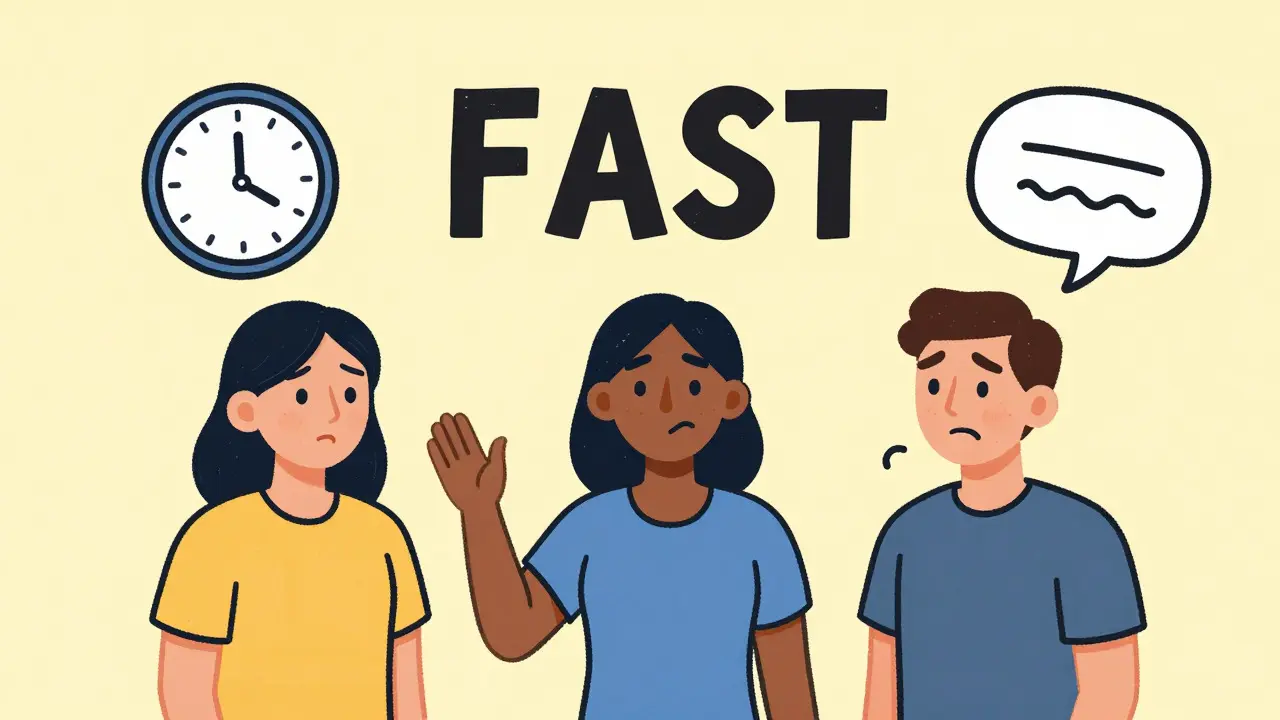
Even with perfect prevention, strokes can happen. Knowing how to react saves lives. Use the FAST acronym:
- Face drooping: Does one side of the face droop when smiling?
- Arm weakness: Does one arm drift downward when raised?
- Speech difficulty: Is speech slurred or strange?
- Time to call emergency services: Note the time symptoms started.
Do not drive yourself to the hospital. Call emergency services immediately. Paramedics can alert the hospital, allowing the stroke team to prepare for your arrival. Misdiagnosis is a real concern, particularly for younger patients who may present with atypical symptoms. Be persistent if you feel something is wrong. Patient data shows that 73% of positive outcome narratives involved recognizing FAST signs within five minutes.
Recovery varies widely. Ischemic stroke survivors often face long-term rehabilitation to regain motor skills and speech. Hemorrhagic stroke survivors may deal with higher initial severity but can also see significant recovery with intensive care. Emerging technologies, such as AI-assisted detection tools like Viz.ai, are helping hospitals reduce door-to-treatment times, improving outcomes for everyone.
Future Directions in Stroke Care
Medical science is rapidly evolving. Researchers are exploring blood-based biomarkers, such as GFAP, which could distinguish between ischemic and hemorrhagic strokes with 92% accuracy within 15 minutes of a blood draw. This could revolutionize pre-hospital diagnosis, allowing paramedics to direct patients to the right facility faster. Telestroke networks are also expanding, bringing specialist neurologists to rural areas via video link, increasing access to expert care by 300% since 2018.
As global populations age, stroke incidence is projected to rise. However, with better prevention strategies and advanced treatments, mortality rates are expected to decline. Staying informed and proactive about your heart and brain health is the best defense you have.
What is the biggest difference between ischemic and hemorrhagic stroke symptoms?
The most distinct difference is the presence of a severe, sudden "thunderclap" headache. Approximately 92% of hemorrhagic stroke patients report this intense headache, whereas only 19% of ischemic stroke patients do. Hemorrhagic strokes also more frequently cause vomiting, seizures, and altered consciousness upon onset.
Can you survive a hemorrhagic stroke?
Yes, survival is possible, though hemorrhagic strokes have higher mortality rates than ischemic ones. Early medical intervention to stop the bleeding and manage intracranial pressure significantly improves survival chances. Long-term recovery depends on the extent of brain damage and the speed of treatment.
How quickly does an ischemic stroke develop?
Ischemic stroke symptoms can develop suddenly or progress gradually over minutes to hours. Some patients experience transient ischemic attacks (TIAs) or "mini-strokes" where symptoms resolve quickly, serving as a critical warning sign that a major stroke may follow.
What is the best way to prevent a stroke?
The most effective prevention strategy is controlling high blood pressure, as it is the leading risk factor for both stroke types. Additional measures include managing atrial fibrillation with anticoagulants, quitting smoking, adopting a Mediterranean diet, exercising regularly, and taking prescribed medications consistently.
Does aspirin help prevent all types of strokes?
Aspirin helps prevent ischemic strokes by thinning the blood and preventing clots. However, it can increase the risk of hemorrhagic strokes because it impairs blood clotting. Therefore, aspirin therapy should only be used under a doctor's supervision, especially if you have a history of bleeding disorders or high blood pressure.
Diane Nash
August 2, 2026 AT 11:47The distinction between blockage and bleeding is fundamentally a matter of pressure dynamics versus obstruction mechanics. It is imperative that the public understands this dichotomy, for it dictates the immediate clinical response. The statistical prevalence of ischemic events suggests a societal failure in vascular maintenance. We must consider the philosophical implications of our sedentary lifestyles contributing to such blockages. The data presented regarding atrial fibrillation is particularly illuminating. One cannot ignore the correlation between irregular heart rhythms and embolic risks. This guide serves as a crucial educational tool for those seeking to comprehend the physiological nuances of cerebral accidents. The emphasis on timing is not merely procedural but existential. Every second represents a loss of neural connectivity. We are obligated to disseminate this knowledge widely.
Marc H
August 3, 2026 AT 17:26Oh, brilliant. Another article telling us that blood clots are bad and bleeding brains are worse. Groundbreaking stuff. I’m sure the millions of people who already know this will be utterly shocked by the revelation that tPA dissolves clots. Truly, the pinnacle of medical journalism.
But seriously, the part about hemorrhagic strokes having a higher mortality rate is hardly surprising when you consider they involve actual structural damage rather than just a traffic jam in the pipes. The 'thunderclap' headache description is dramatic enough to make anyone call an ambulance, which is good, because apparently we still need to be told not to drive ourselves to the hospital. Who knew?
Chris McQuaid
August 4, 2026 AT 10:27You guys are missing the bigger picture here. It’s all about the endothelial lining. Most people think it’s just cholesterol, but it’s the inflammation markers that really start the cascade. I’ve read some papers that suggest the current guidelines for blood pressure are too aggressive for certain demographics. The SPRINT trial had its flaws. You can’t just generalize a study from high-risk patients to the general population without considering genetic predispositions. Also, the idea that aspirin prevents ischemic strokes is outdated for many young adults. It increases bleeding risk significantly. People need to look at their homocysteine levels instead. That’s the real marker nobody talks about.
Samuel Hershberger
August 6, 2026 AT 03:22Great breakdown! As someone who works in emergency medicine, I see firsthand how critical the FAST acronym is. Patients often hesitate because they think symptoms might go away, especially with TIAs. Emphasizing that time is brain really resonates with families. The distinction between thrombotic and embolic causes is also vital for prevention strategies. If you have AFib, anticoagulants are non-negotiable. For others, managing hypertension is key. The Mediterranean diet recommendation is solid evidence-based advice. Keep sharing these resources!
Mathew Stuckey
August 6, 2026 AT 16:21This is super helpful info 🙌 Thanks for breaking it down so clearly! The table comparing the two types makes it easy to understand the differences at a glance. I never realized how different the treatments were until now. It’s scary to think about but knowing the signs could save a life. Definitely sharing this with my family group chat 💙
John Divers
August 8, 2026 AT 04:08A well-structured analysis of a complex medical issue. The clarity provided regarding the mechanical differences between ischemic and hemorrhagic events is commendable. It facilitates a better understanding of why immediate imaging is required. The prevention strategies outlined are logically consistent with current medical consensus.
Ambria St louis
August 9, 2026 AT 12:59I find the section on subtypes particularly intriguing; specifically, the cryptogenic category raises profound questions about diagnostic limitations. How do we account for strokes where no cause is found? Is it possible that our current imaging technologies are insufficient to detect micro-thrombi? Furthermore, the mention of AI-assisted detection tools like Viz.ai suggests a future where human error is minimized. This technological integration is both promising and slightly unsettling regarding patient autonomy. We must ensure that efficiency does not overshadow the human element of care. The statistics on mortality rates are sobering indeed.
Dennis Leeftink
August 10, 2026 AT 05:08Most people just don't get it. They eat junk and sit around all day then wonder why their brain dies. It's simple biology. High blood pressure bursts pipes. Clots clog them. Fix your diet or die. End of story. No need for fancy meds if you just ate less sugar. But sure, keep blaming genetics.
Traci Bobbitt
August 11, 2026 AT 11:51Yeah, I mean, everyone knows this stuff basically. My grandma had a stroke and it was pretty obvious she needed help. The whole thing about the thunderclap headache is wild though. Sounds like something out of a movie. Anyway, good info I guess. Just don't smoke and watch your BP. Not rocket science.
Sansaray Jones
August 13, 2026 AT 01:54interesting read. i usually skip health articles but this one made sense. the part about not driving yourself is important. people always try to be tough and drive themselves. dont do that. call the ambulance. simple as that.
Michelle Alavaski
August 14, 2026 AT 21:54One must question the motives behind the sudden push for anticoagulant therapy. Are pharmaceutical companies profiting off the fear of ischemic strokes? The correlation between increased prescriptions and corporate lobbying is not coincidental. Furthermore, the reliance on CT scans exposes patients to unnecessary radiation, potentially causing more harm than good in the long run. The narrative surrounding 'time is brain' creates a panic-inducing environment that benefits hospital revenue streams. Consider the possibility that natural remedies, suppressed by mainstream medicine, offer superior outcomes without the side effects of synthetic drugs. Trust your body’s innate healing mechanisms rather than relying on invasive procedures.
Veronica Agbanyim
August 15, 2026 AT 06:19It is morally reprehensible that healthcare systems prioritize profit over preventive education. While this article provides useful information, it fails to address the systemic inequities that prevent marginalized communities from accessing timely care. The statistic regarding the 87% prevalence of ischemic strokes highlights a failure in public health infrastructure. We have a duty to advocate for universal access to blood pressure monitoring and cardiac screening. Ignoring these social determinants of health is akin to complicity in preventable suffering. Action is required, not just awareness.
jackie healey
August 16, 2026 AT 18:47Excellent summary! I appreciate the detailed explanation of the treatment windows for tPA and thrombectomy. Many patients are unaware that mechanical thrombectomy can extend up to 24 hours for large vessel occlusions. This information could be life-saving for those who present later. Additionally, the distinction between intracerebral and subarachnoid hemorrhage is crucial for understanding symptom severity. Thank you for highlighting the importance of immediate CT scanning to differentiate between the two types.
Anna Salamon
August 17, 2026 AT 08:24In many cultures, the stigma surrounding stroke recovery leads to isolation for survivors. It is vital to emphasize community support alongside medical intervention. The Mediterranean diet mentioned aligns well with traditional eating patterns in Southern Europe and parts of Asia, suggesting that cultural dietary habits can be protective. Encouraging physical activity should also respect individual capabilities and cultural preferences for movement. Holistic approaches that integrate mental health support are essential for comprehensive recovery. Let us foster environments where survivors feel valued and supported.