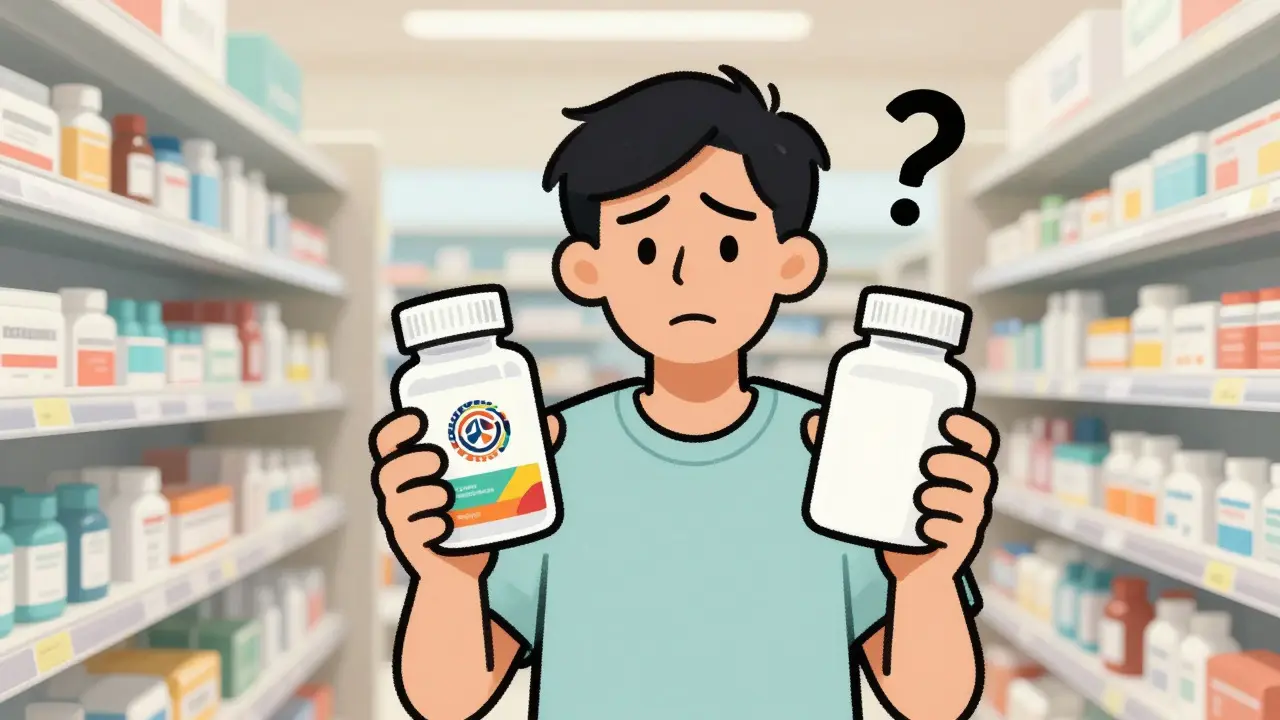
Walk into any pharmacy in Toronto or anywhere else in North America, and you’ll likely leave with a bottle that looks nothing like the one your doctor originally prescribed. The color is different. The shape is off. Maybe even the logo on the cap isn’t there. It’s natural to pause and ask: Is this actually the same medicine?
The short answer is yes. But the long answer involves some science, a lot of regulation, and a few important exceptions that every patient should know about.
The "Copy" Misconception
When people say generic drugs are just "copies," they usually imagine a cheap knockoff-like buying a replica handbag instead of the designer original. In the pharmaceutical world, that analogy fails hard. A generic drug isn’t a look-alike; it’s a chemical twin.
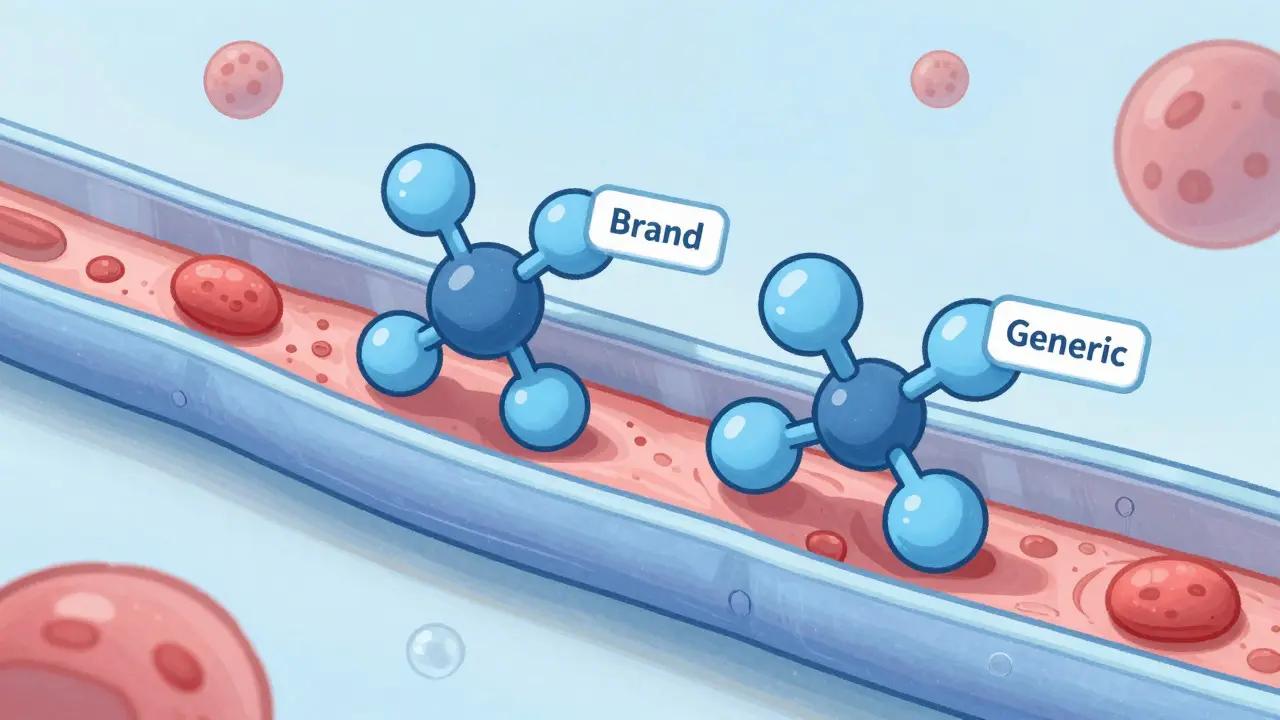
Generic drugs contain the exact same active ingredient as their brand-name counterparts, at the same strength and dosage form. If your prescription calls for 10mg of lisinopril to manage high blood pressure, the generic version contains precisely 10mg of lisinopril. No more, no less. The molecule itself is identical.
So why do they look different? Trademark law. Brand-name companies spent billions developing their drugs and protecting their patents. When those patents expire, generic manufacturers step in. To avoid consumer confusion-and legal trouble-they must change the appearance. Different colors, shapes, and inactive ingredients (fillers, binders, dyes) ensure you don’t accidentally take two different brands thinking they’re the same.
Bioequivalence: The Real Test
If the active ingredient is the same, does it work the same way? That’s where bioequivalence comes in.
The U.S. Food and Drug Administration (FDA) and Health Canada require generic manufacturers to prove their product behaves identically inside the human body. This isn’t guesswork. It’s rigorous testing.
| Metric | What It Measures | Acceptance Range |
|---|---|---|
| AUC (Area Under Curve) | Total amount of drug absorbed over time | 80%-125% |
| Cmax (Peak Concentration) | Highest level of drug in bloodstream | 80%-125% |
| Tmax (Time to Peak) | How quickly the drug reaches peak levels | Similar to brand-name |
In plain terms: if you swallow a generic pill and its brand-name equivalent, both will deliver nearly identical amounts of medication into your bloodstream within the same timeframe. The FDA allows a narrow window-80% to 125%-but statistically, most generics fall well within 90% to 110%. For context, two batches of the *same* brand-name drug can vary by up to 20% between pills due to normal manufacturing tolerances. Generics are often more consistent than brands.
Why Do Some People Feel Differently?
Here’s where reality gets nuanced. While the active ingredient is identical, inactive ingredients differ. These include starches, sugars, preservatives, and coloring agents. Most people notice nothing. But a small subset reports subtle differences:
- Allergic reactions: Someone allergic to lactose might react to a generic containing lactose-based fillers, while the brand used cornstarch.
- Digestive sensitivity: Different binders can affect how fast a tablet dissolves in the stomach, potentially causing mild nausea in sensitive individuals.
- Placebo effect: Studies show patients who believe generics are inferior sometimes report worse outcomes-even when blinded trials prove otherwise.
A 2023 survey on Reddit’s r/pharmacy community found 67% of users reported zero issues switching to generics. About 23% noted minor side effect changes, likely tied to inactive ingredients. Only 10% involved narrow therapeutic index (NTI) drugs requiring special attention.
Narrow Therapeutic Index Drugs: The Exception
Not all medications are created equal when it comes to substitution. NTI drugs have a tiny margin between effective dose and toxic dose. Even slight variations in absorption can matter.
Common NTI drugs include:
- Warfarin (blood thinner)
- Levothyroxine (thyroid hormone)
- Phenytoin (seizure control)
- Lithium (mood stabilization)
For these, doctors may prefer sticking with one manufacturer-or even one brand-to minimize variability. The FDA acknowledges this and recommends close monitoring if switching occurs. However, even here, generics are approved only after proving bioequivalence. The risk isn’t that generics are weaker-it’s that individual metabolism varies wildly with certain drugs.
An Epilepsy Foundation survey found 17% of patients experienced breakthrough seizures after switching antiepileptic generics. Yet subsequent FDA analysis showed most cases stemmed from other factors: missed doses, stress, illness-not bioequivalence failure.
Cost Savings That Add Up Fast
This is where generics shine brightest. They cost dramatically less because manufacturers skip the billion-dollar clinical trial phase. Instead, they rely on existing safety data from the brand-name drug and focus on proving equivalence.
| Type | Average Cost Per Prescription | Savings vs Brand |
|---|---|---|
| Brand-Name | $61.85 | - |
| Generic | $4.27 | 85.3% |
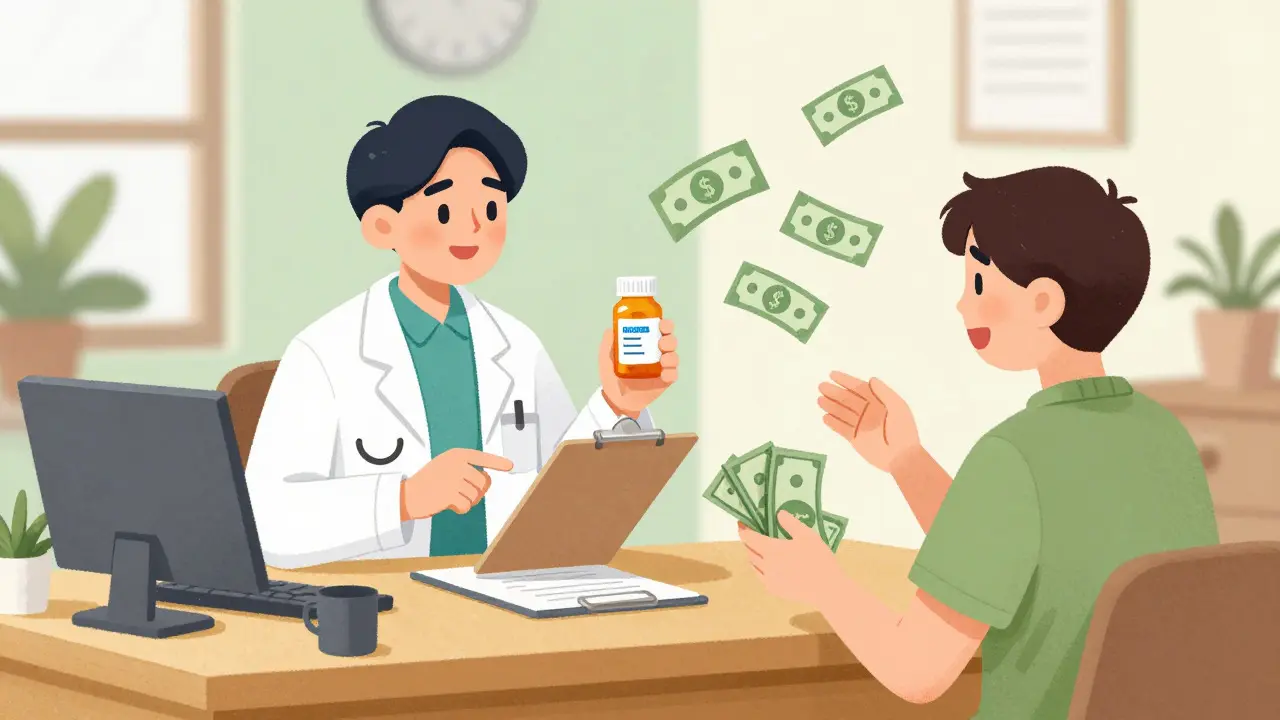
That’s not rounding error. That’s real money saved. Across the U.S., generics account for 90% of prescriptions dispensed but only 23% of total spending. Medicare Part D beneficiaries save an average of $500+ annually through automatic generic substitution.
And yet, 65% of patients still request brand names unnecessarily-often based on myths like “generics are only 80% as strong.” False. FDA testing shows 99.2% average accuracy in active ingredient concentration.
Regulatory Safeguards You Can Trust
Generic approval isn’t casual. In the U.S., the Hatch-Waxman Act of 1984 created the Abbreviated New Drug Application (ANDA) pathway. Manufacturers submit detailed production records, stability tests, dissolution profiles, and bioequivalence studies. The FDA reviews everything before granting market access.
Between 2018-2022, the FDA reviewed 1,842 adverse event reports linked to generic substitution. After investigation, only 0.3% were confirmed as true bioequivalence failures. That’s fewer than six cases per year nationwide.
Canada follows similar standards under Health Canada’s Notice of Compliance process. Both agencies conduct regular facility inspections and random batch testing to maintain quality.
What Should You Do?
Ask your pharmacist. Talk to your doctor. Don’t assume.
If you’ve been stable on a brand-name drug for years, ask whether switching makes sense financially. If you’re on an NTI medication, discuss consistency strategies. If you experience new side effects after switching, log them and follow up-don’t just blame the generic without evidence.
Remember: generics aren’t lesser versions. They’re smarter economics backed by solid science. And in healthcare systems stretched thin, they keep millions of treatments accessible.
Are generic drugs exactly the same as brand-name drugs?
Yes, in terms of active ingredient, strength, dosage form, and route of administration. Differences exist only in inactive ingredients (fillers, dyes) and appearance, which are required for trademark reasons. Bioequivalence testing ensures they perform identically in the body.
Can I switch back to brand-name if I feel worse on generic?
Yes, though insurance may charge full price unless medically necessary. Document specific symptoms, discuss with your doctor, and consider allergy or sensitivity to inactive ingredients before assuming the generic is ineffective.
Which drugs shouldn’t be switched to generic?
Narrow therapeutic index (NTI) drugs like warfarin, levothyroxine, phenytoin, and lithium require careful consideration. Consult your physician before switching, as small absorption differences can impact efficacy or safety.
Why are generics so much cheaper?
Generic manufacturers don’t repeat costly clinical trials. They use existing safety data from the brand-name drug and invest primarily in production and bioequivalence testing, reducing R&D costs by billions.
Do pharmacies choose which generic brand to dispense?
Yes, pharmacists select from FDA-approved equivalents based on availability, cost, and supply chain reliability. All options meet strict bioequivalence standards, so performance remains consistent regardless of manufacturer.
Is it safe to buy generic drugs online?
Only from licensed, verified pharmacies. Look for VIPPS certification (U.S.) or CIPA membership (Canada). Avoid sites offering prices far below market rate, as counterfeit risks increase significantly.
Will my insurance cover generic drugs automatically?
Most plans auto-substitute generics unless your doctor specifies “Dispense As Written.” Check your plan details-some offer lower copays for generics, making them financially advantageous even if brand coverage exists.
How long does it take for a brand-name drug to become generic?
Typically 20 years after patent filing, though exclusivity periods and litigation can delay entry. Once approved, generics often launch within months, driving rapid price drops across the market.