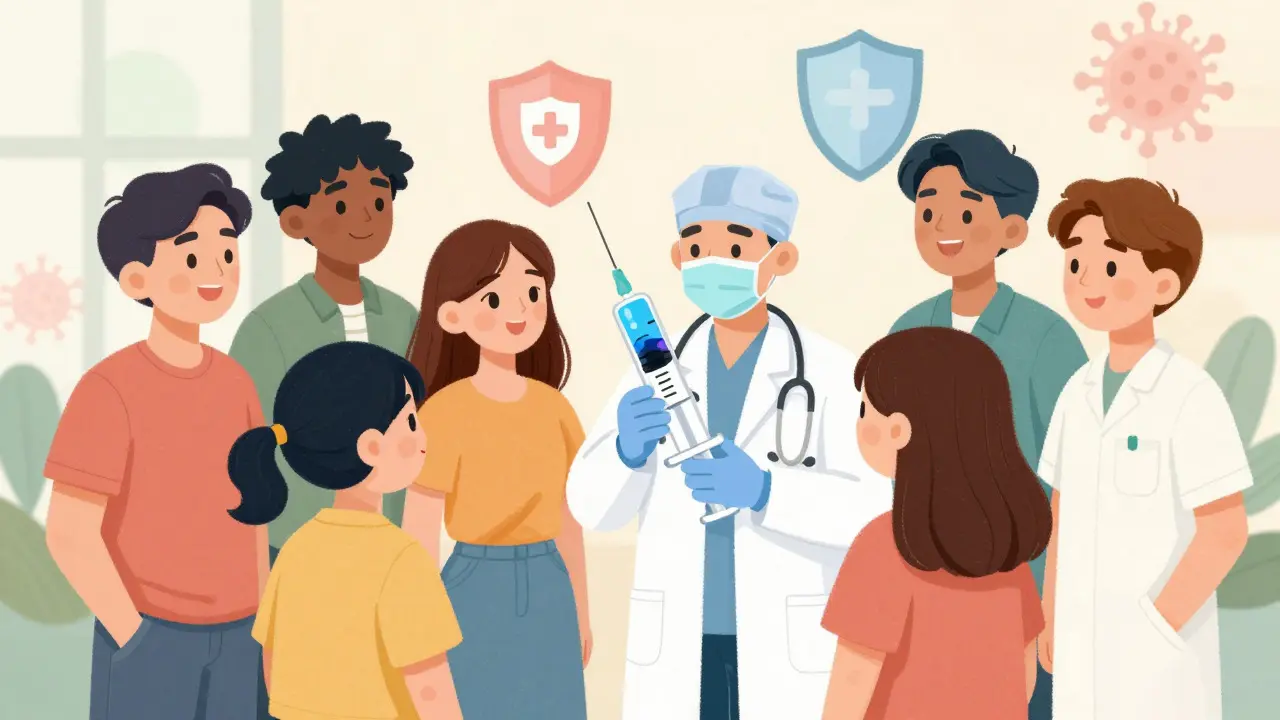
Human papillomavirus (HPV) might sound like just another virus you’ve heard about in passing, but it is actually the most common sexually transmitted infection in the world. With over 200 related viruses in this family, about 40 types can infect the genital area. While many infections clear up on their own without causing harm, persistent infection with high-risk types-specifically HPV 16 and HPV 18-is responsible for nearly all cervical cancer cases globally. The good news? We have powerful tools to stop this chain reaction before it starts. By combining modern vaccination strategies with advanced screening methods, we are moving closer to a future where cervical cancer is no longer a public health crisis.
Understanding the Virus and Its Risks
To understand why prevention matters so much, you first need to know how HPV behaves. It isn’t one single threat; it’s a group of more than 200 viruses. Most people who are sexually active will get at least one type of HPV at some point in their lives. For most, the immune system clears the virus within two years. But when the immune system fails to clear a high-risk strain, the virus can cause changes in the cells of the cervix. These changes, known as precancerous lesions, don’t turn into cancer overnight. It usually takes 10 to 20 years for these lesions to progress into invasive cancer. This long window gives us plenty of time to detect and treat the problem before it becomes life-threatening.
The risk isn't evenly distributed. Certain populations face higher barriers to care, leading to stark disparities. In the United States, Black women experience a cervical cancer death rate that is 70% higher than White women. Globally, the gap is even wider: only 19% of women in low- and middle-income countries have ever been screened for cervical cancer, compared to 80% in high-income nations. Closing this gap requires not just better technology, but accessible and comfortable screening options for everyone.
Vaccination: The First Line of Defense
If screening catches problems early, vaccination stops them from happening in the first place. The first HPV vaccine, Gardasil, was approved by the FDA in June 2006. It protects against four types of HPV: 6 and 11, which cause genital warts, and 16 and 18, which cause most cervical cancers. Today, newer versions like Gardasil 9 protect against nine high-risk strains, covering approximately 90% of cervical cancer cases.
Who should get vaccinated? The CDC recommends routine vaccination for adolescents at age 11 or 12, though it can start as early as age 9. Catch-up vaccination is recommended for everyone through age 26 if they weren’t adequately vaccinated earlier. For adults aged 27 through 45, the decision is shared between you and your healthcare provider based on whether you’re likely to have new HPV exposures. A common misconception is that vaccinated individuals don’t need screening. This is false. Current vaccines do not protect against all cancer-causing HPV types, so regular screening remains essential regardless of vaccination status.
| Attribute | Details |
|---|---|
| Target Age Group | Routine: 11-12 years; Catch-up: up to 26 years; Shared decision: 27-45 years |
| Doses Required | 2 doses if started before age 15; 3 doses if started at age 15 or older |
| Protection Coverage | Gardasil 9 covers ~90% of cervical cancer-causing strains |
| Screening Requirement | Vaccinated individuals still require regular cervical cancer screening |
The Shift in Screening Guidelines
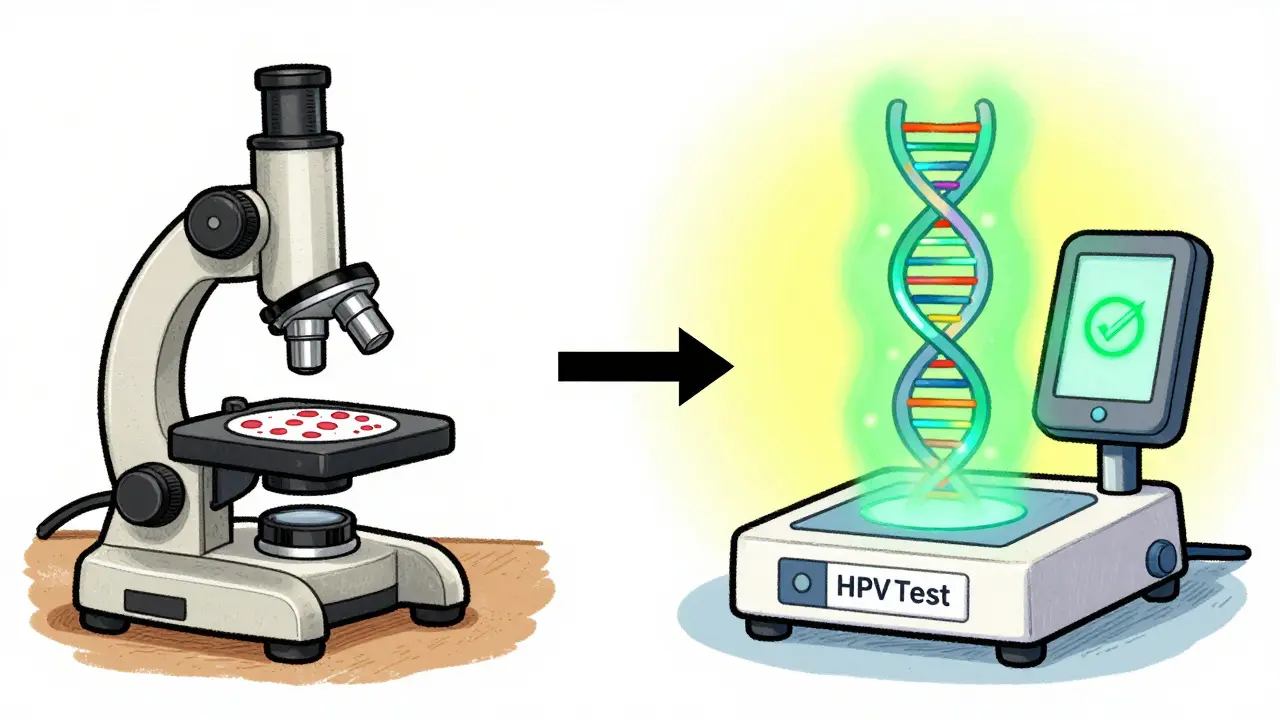
For decades, the Pap test (cytology) was the gold standard for cervical cancer screening. It looks for abnormal cells under a microscope. However, medical science has realized that looking for the virus itself is more effective than waiting for cell changes to appear. This has led to a major paradigm shift toward Primary HPV Testing, which detects the presence of high-risk HPV DNA or RNA. The American Cancer Society updated its guidelines in 2020 to recommend primary HPV testing every 5 years as the preferred option for average-risk individuals aged 25 to 65.
Why the change? Primary HPV testing is significantly more sensitive. A 2018 study published in JAMA found that primary hrHPV testing had a sensitivity of 94.6% for detecting precancerous lesions (CIN2+), compared to just 55.4% for cytology alone. While this higher sensitivity means slightly more false positives initially, it ensures fewer cancers are missed. Furthermore, because the test is so accurate, you can safely extend the interval between screenings to every five years, reducing the number of unnecessary procedures while maintaining safety.
Screening Methods Explained
Not all tests are created equal, and understanding your options helps you advocate for your health. Here is how the main screening methods compare:
- Primary High-Risk HPV (hrHPV) Testing: This is now the preferred method for ages 30-65. Two FDA-approved tests dominate the market: the cobas HPV Test (Roche) and the Aptima HPV Assay (Hologic). The cobas test uses PCR technology to detect 14 high-risk types, individually identifying HPV 16 and 18. The Aptima assay detects E6/E7 mRNA, indicating active viral activity rather than just dormant DNA. Both are highly accurate.
- Cytology (Pap Test): Still used for individuals aged 21-29. It involves collecting cells from the cervix to look for abnormalities. It is performed every 3 years. While less sensitive than HPV testing, it remains the standard for younger patients because HPV infections are very common in this age group and often resolve on their own.
- Co-testing: This combines both a Pap test and an HPV test. It is an acceptable option for ages 30-65, performed every 5 years. However, many experts argue that primary HPV testing alone is superior because it simplifies the process and reduces false positives associated with cytology interpretation.
What happens if your test is positive? Don’t panic. A positive HPV test does not mean you have cancer. It means you have the virus, which is common. Triage protocols guide next steps. If you test positive for HPV 16 or 18, you may be referred directly for colposcopy (a detailed examination of the cervix). If you test positive for other high-risk types, reflex cytology (a Pap test) is usually performed on the same sample to check for cell changes. Only if both are abnormal is further intervention typically needed.
Self-Collected HPV Testing: A Game Changer
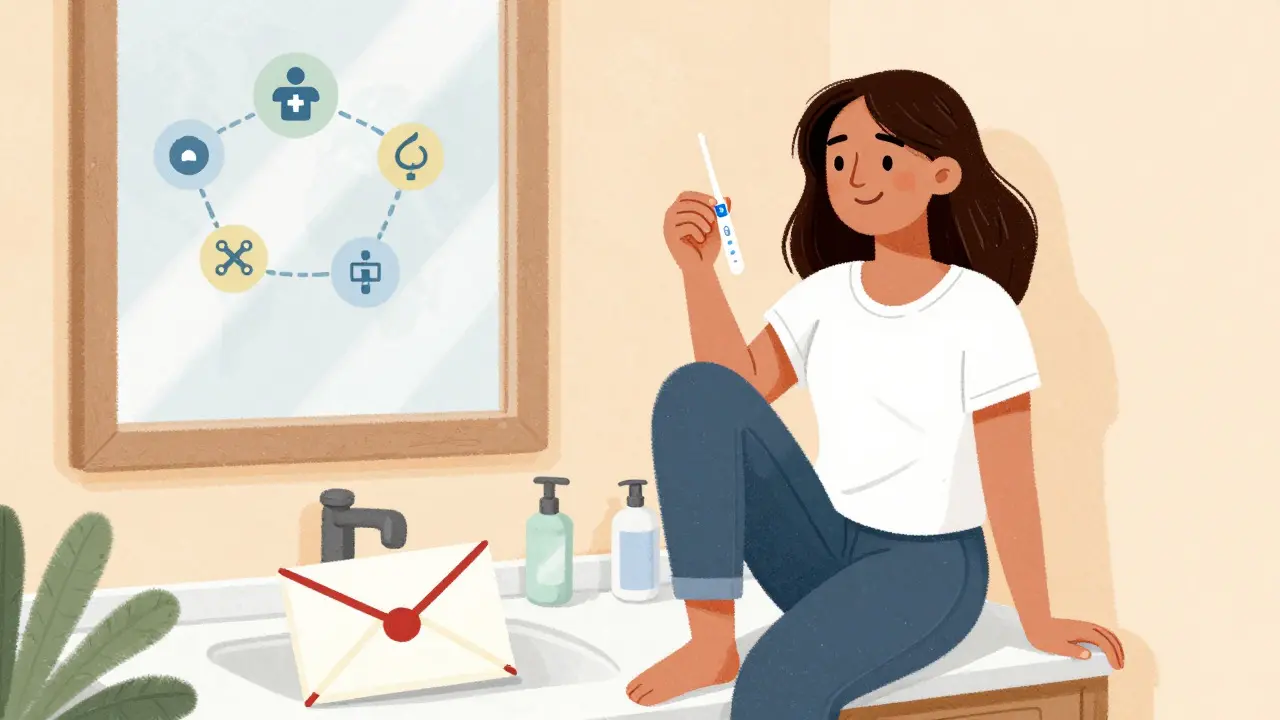
One of the biggest barriers to screening is discomfort or anxiety around pelvic exams. This fear leads many women to skip screening entirely, contributing to late-stage diagnoses. Enter self-collected HPV testing. In January 2024, Kaiser Permanente confirmed that self-collected primary hrHPV screening has similar sensitivity (84.4%) and specificity (90.7%) as clinician-collected samples.
This simple swab, done at home, could increase screening rates by 30-40% among underserved populations. Studies in Australia and the Netherlands have already shown its effectiveness. The USPSTF has proposed self-collection as a valid option, potentially eliminating the need for uncomfortable pelvic exams for routine screening. Imagine being able to screen yourself in the privacy of your bathroom, mail the kit in, and get results without ever sitting on an exam table. This innovation addresses the root cause of non-compliance for millions of women.
Global Goals and Future Directions
The World Health Organization (WHO) launched a global strategy in 2020 with ambitious targets to eliminate cervical cancer as a public health problem by 2050. Known as the "90-70-90" targets, they aim for:
- 90% of girls fully vaccinated with HPV vaccine by age 15.
- 70% of women screened with a high-performance test by age 35 and again by age 45.
- 90% of women identified with cervical disease receiving treatment and care.
Modeling studies suggest these interventions could prevent 62 million to 77 million cervical cancer cases over the next century. The industry is responding too. The global HPV testing market was valued at $1.17 billion in 2022 and is projected to reach $2.03 billion by 2029. Innovations like AI-powered cytology interpretation (e.g., Paige.AI, FDA-approved in 2023) are also emerging to improve accuracy and speed.
Despite progress, challenges remain. As of 2022, only 40% of U.S. laboratories were equipped for primary HPV screening, slowing adoption. However, as guidelines solidify and infrastructure improves, the shift is inevitable. Dr. Mark Schiffman of the NCI predicted that by 2025, primary HPV testing would become the dominant screening method in high-resource settings, potentially reducing incidence by an additional 30%.
Do I still need a Pap smear if I am vaccinated?
Yes. The HPV vaccine protects against the most common cancer-causing strains, but not all of them. Since there are over 200 types of HPV, you can still contract a high-risk strain not covered by the vaccine. Therefore, current CDC guidelines state that vaccinated individuals should follow the same screening schedule as unvaccinated individuals.
Is primary HPV testing better than a Pap test?
For women aged 30 and older, yes. Primary HPV testing is more sensitive, meaning it is better at finding precancerous changes early. It allows for a longer screening interval (every 5 years vs. every 3 years for Pap alone) while providing greater protection against developing cervical cancer.
What does a positive HPV test mean?
It does not mean you have cancer. It means you have an active infection with a high-risk type of HPV. Most of these infections clear up on their own. Your doctor will likely perform a follow-up test, such as a Pap smear or colposcopy, to see if any cell changes have occurred. Treatment is only necessary if precancerous lesions are found.
Can I collect my own sample for HPV testing?
Yes, self-collected HPV testing is increasingly recognized as a valid option. Major health organizations like Kaiser Permanente and the USPSTF support it because it offers similar accuracy to clinician-collected samples and removes the barrier of pelvic exam anxiety. Ask your provider if self-sampling kits are available to you.
When should screening start?
The American Cancer Society recommends starting screening at age 25 with primary HPV testing every 5 years. For those aged 21-24, the Pap test every 3 years is still the standard. Screening generally stops at age 65 if you have had adequate prior negative screening results and no history of high-grade precancer.