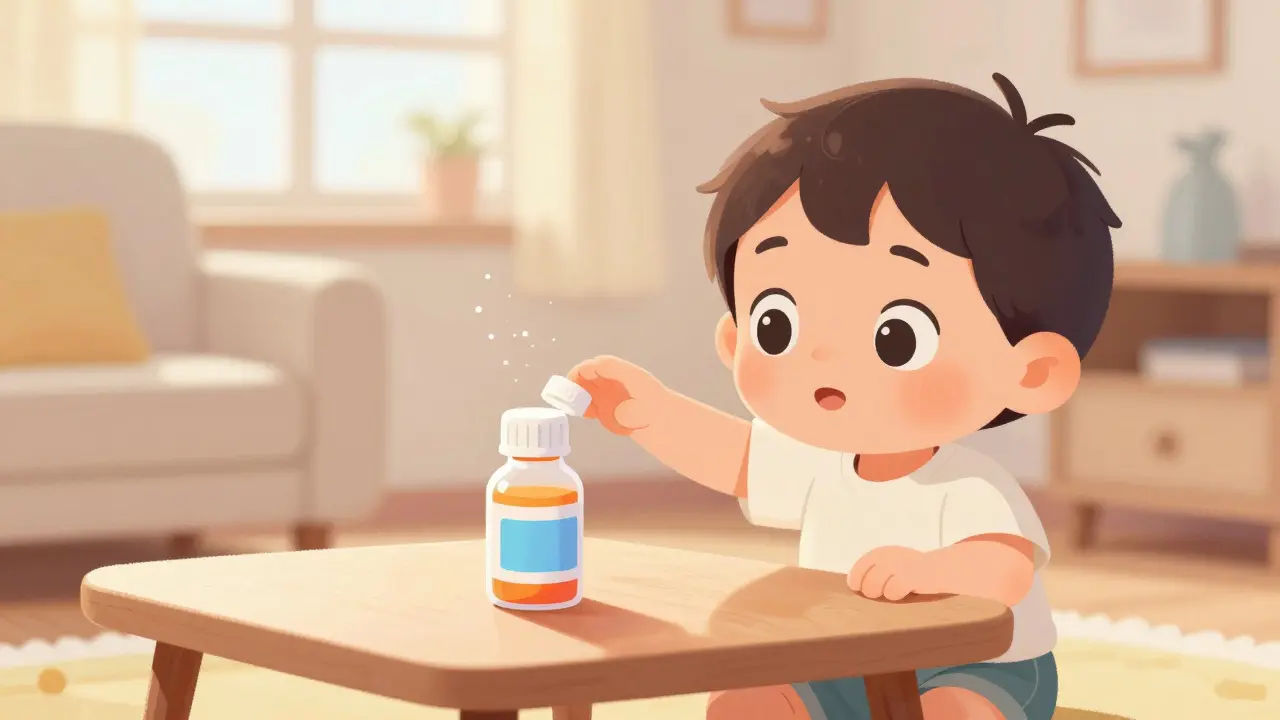
Your toddler is curious. They put everything in their mouth. It’s not mischief; it’s how they learn about the world. But this normal developmental stage carries a serious risk: pediatric exploratory ingestion. According to the American Association of Poison Control Centers, children under six account for 90% of all poison exposures. Most of these incidents happen at home, often within minutes of a caregiver looking away.
You don’t need to live in fear, but you do need a plan. Prevention isn’t about locking your child in a room. It’s about creating layers of protection that work with your child’s development, not against it. This guide breaks down exactly how to stop these accidents before they start, based on current medical guidelines and real-world data from 2023-2024.
Understanding Why Toddlers Ingest Toxic Substances
To prevent an accident, you first have to understand the behavior behind it. Between ages one and four, children experience peak "finger-to-mouth" activity. The Society for Academic Emergency Medicine (SAEM) notes that exploratory behavior accounts for roughly 75% of exposures in this age group. They aren’t trying to get sick; they are investigating texture, taste, and smell.
Certain factors increase this risk. Boys and children with hyperactive temperaments are statistically more likely to explore hazardous items. Also, the form of the substance matters. Liquid medications pose a significantly higher injury risk than solid pills. Why? Because liquids are easy to swallow without the burning sensation that might make a child spit out a powder or pill. If it tastes like fruit juice, they will drink it all.
The Multi-Layered Defense Strategy
Relying on just one method, like a child-resistant cap, is not enough. Experts recommend a three-layer approach: environmental changes, product engineering, and caregiver habits.
- Environmental Modifications: Change where things are kept.
- Product Engineering: Use containers designed to be hard to open.
- Caregiver Education: Train everyone who handles the child on safe practices.
This layered strategy addresses the reality that no single barrier is perfect. Child-resistant packaging slows a child down, but it doesn’t stop them forever. When you combine storage height with locked cabinets and proper container use, you create a safety net that catches most accidents.
Home Safety Modifications That Actually Work
You’ve probably heard "childproof your home," but what does that actually mean in practice? The National Safety Council found that comprehensive baby-proofing reduces access to toxic substances by 45%. Here are the specific steps that yield the best results.
Storage Height and Locks
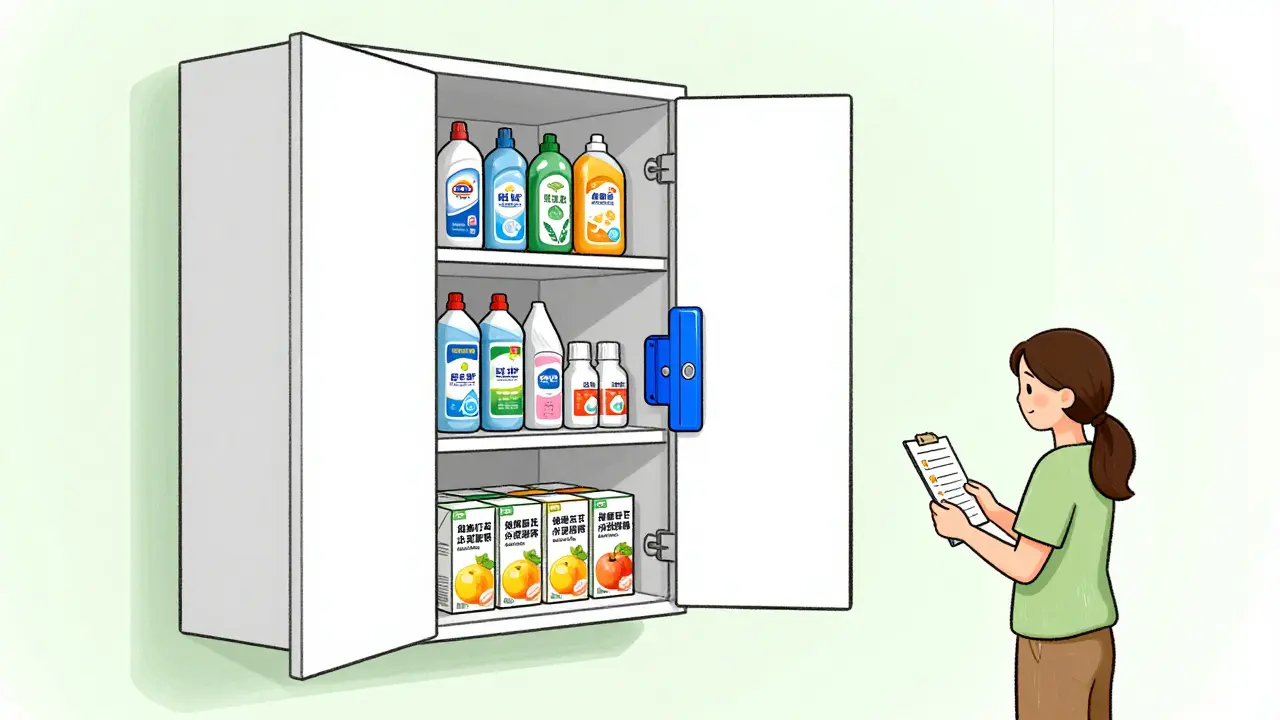
Gravity is your friend. Keep all hazardous substances in locked cabinets at least 1.5 meters (5 feet) above the floor. Developmental motor skill assessments show this height prevents 82% of access attempts by children under four. If you can reach it easily, your child probably can too, especially if they climb furniture.
Don’t just hide things under the sink. Many toddlers can pull out drawers or open simple latches. Install magnetic locks or slide bolts on lower cabinets. These take about 2.3 hours to install fully, according to Consumer Reports, but they provide peace of mind that lasts for years.
Separation of Products
Never store household cleaners next to food. The National Safety Council reports that keeping these items in separate cabinets reduces confusion-related ingestions by 37%. Children associate certain locations with food. If bleach is stored next to apple juice, a confused toddler might grab the wrong bottle.
Also, keep products in their original containers. Repackaging chemicals into water bottles or food jars causes 29% of incidents where children mistake toxins for drinks. The bright colors and shapes of original packaging serve as visual warnings to adults, even if they attract children.
| Intervention | Reduction in Risk/Access | Source |
|---|---|---|
| Full Home Childproofing | 45% | National Safety Council (2020) |
| High Storage (>1.5m) | 82% | HealthyChildren.org (2022) |
| Separate Food/Cleaner Cabinets | 37% | National Safety Council (2019) |
| Original Packaging Only | 29% | National Safety Council (2019) |
Managing Medications and High-Risk Items
Medications are among the most common culprits in pediatric overdoses. The American Academy of Pediatrics (AAP) emphasizes strict protocols for handling these substances.
Dosing Accuracy
Stop using kitchen spoons. A 2021 study published in Pediatrics found that 76% of parents made dosing errors when using kitchen utensils, compared to only 12% when using calibrated devices provided with the medication. Kitchen spoons vary wildly in size, leading to accidental overdoses. Always use the syringe, dropper, or cup that comes with the medicine.
Button Batteries and E-Cigarettes
Two modern hazards require special attention. Button-cell batteries can cause severe tissue damage within 15 minutes of ingestion. The AAP notes that 85% of severe injuries from these occur in children under four. Keep battery-operated toys secured with screws, not just friction-fit covers.
E-cigarette liquid nicotine is another major risk. Poisoning calls related to e-liquids increased by 1,500% between 2012 and 2020. Treat these refills like concentrated poison. Store them in locked cabinets, never within reach, and ensure they are in unit-dose packaging if possible.
New Risks: Cannabis Edibles
In states with legal recreational marijuana, cannabis edibles accounted for 7% of pediatric ingestions in 2022. Hospitalization rates for these cases are 3.2 times higher than traditional poisoning cases because the concentration is so high. Store these items securely, away from candy jars, and label them clearly.
The Role of Caregivers and Visitors
Your home might be safe, but what about Grandma’s house? Or when a babysitter is watching? Consistency is the biggest challenge. A multi-center study in Pediatrics found that 63% of households report safety lapses when care transitions between parents, grandparents, and sitters.
The "Bag" Danger
UCSF Benioff Children’s Hospital warns against storing handbags and backpacks at floor level. These bags often contain leftover painkillers, vitamins, or other medications. They account for 22% of poisoning incidents during visitor periods. Teach guests to hang their bags up or place them on high shelves immediately upon entering.
Training Other Caregivers
Don’t assume others know your rules. A Johns Hopkins study showed that caregivers retain safety information better when using "teach-back" methods. Instead of just telling a babysitter where the meds are, ask them to show you how they would safely administer a dose. This simple step increases accuracy from 47% to 82% over time.
What to Do If Ingestion Occurs
Despite your best efforts, accidents can happen. Knowing the right response saves lives.
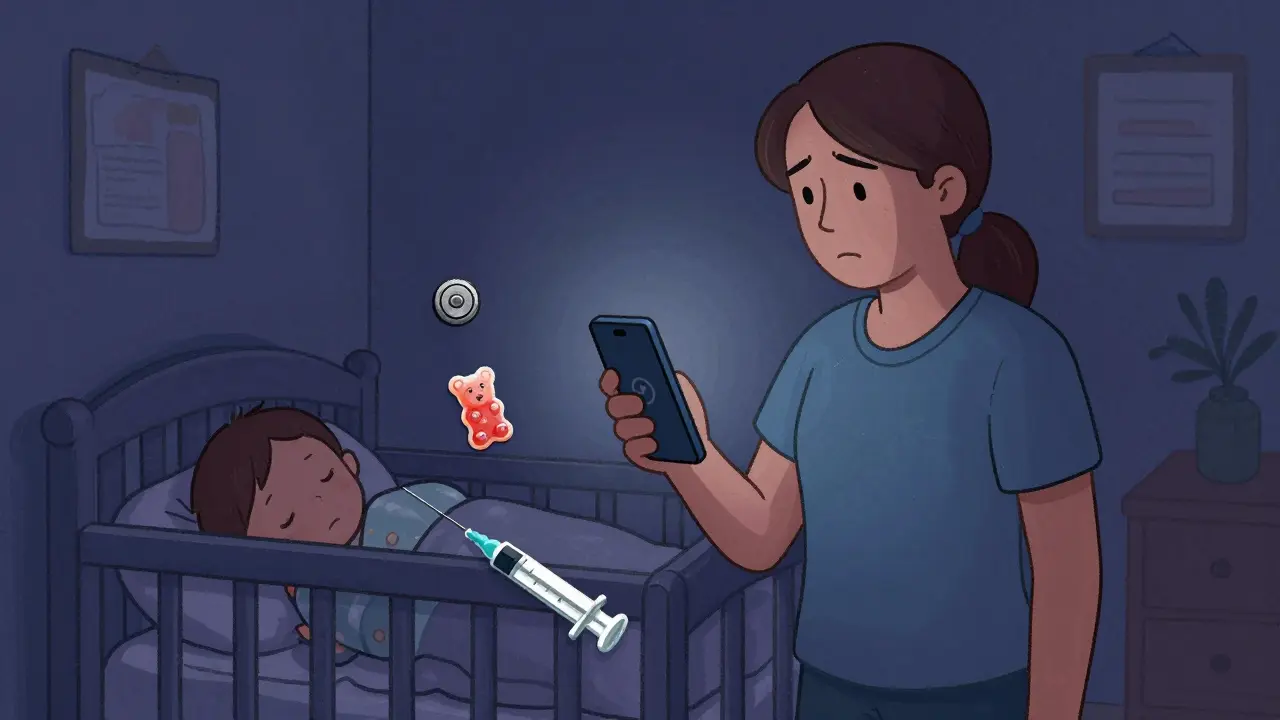
- Call Poison Control Immediately: Dial 1-800-222-1222 in the US. Do not wait for symptoms. The SAEM curriculum notes that 78% of optimal outcomes correlate with intervention within 30 minutes.
- Do Not Induce Vomiting: Unless specifically instructed by a professional, do not make your child throw up. This can cause further damage, especially with corrosive substances.
- Use Technology: The Poison Control mobile app has a 4.7-star rating and allows users to access critical information within 90 seconds. Download it now, before you need it.
Dr. Robert Palmer, Director of the California Poison Control System, emphasizes that anticipating developmental milestones 3-6 months in advance prevents 63% of exposure incidents. As your child learns to crawl, walk, or climb, reassess your home safety every three months.
Future Trends in Prevention
The landscape of pediatric safety is evolving. The FDA is considering mandatory bittering agents (like denatonium benzoate) in all e-liquid nicotine products by 2025, following Australian data showing an 82% reduction in ingestions after similar implementation. Additionally, smart home technologies, such as connected cabinet locks, are growing rapidly, offering alerts if a dangerous cabinet is opened.
While technology helps, human vigilance remains key. By combining physical barriers with educated habits, you can significantly reduce the risk of exploratory ingestion. Stay proactive, stay informed, and keep those cabinets locked.
What is the most common substance ingested by toddlers?
Liquid medications and household cleaners are among the most common. Liquids are particularly dangerous because they are easy to swallow and often taste sweet, masking their toxicity.
Are child-resistant caps enough to prevent poisoning?
No. While they reduce deaths from aspirin poisoning by 45%, they are "child-resistant," not "child-proof." Determined toddlers can eventually open them. Always store these items in high, locked cabinets as well.
How quickly should I call poison control?
Immediately. Optimal outcomes are strongly correlated with intervention within 30 minutes of exposure. Call 1-800-222-1222 (US) or your local emergency number right away.
Why are button batteries so dangerous?
Button batteries can cause severe chemical burns and tissue damage within 15 minutes of ingestion due to an electrical current generated inside the esophagus. Immediate medical attention is critical.
Should I induce vomiting if my child swallows something toxic?
No, unless explicitly instructed by a poison control specialist or doctor. Inducing vomiting can cause secondary damage, especially if the substance is corrosive or poses a choking hazard.