Steve Purkiss Health Insights - Page 2
28
Feb
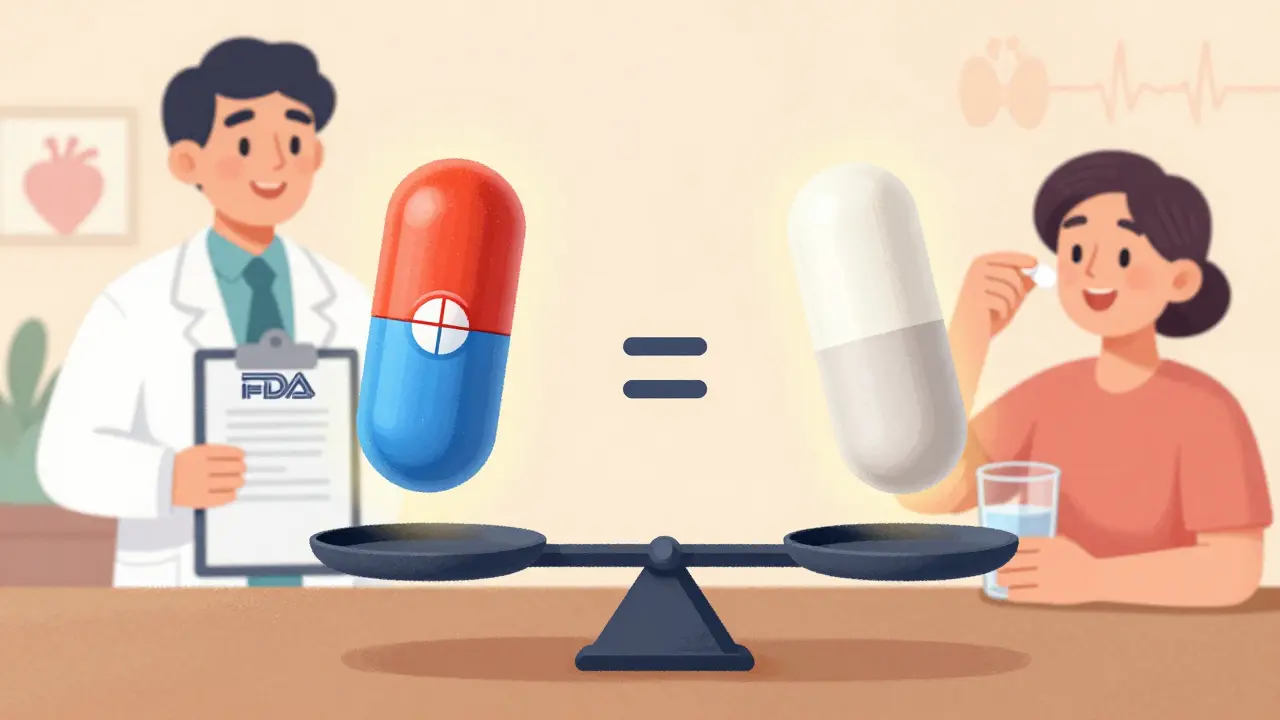
Generic Drug Safety: Are Generics as Safe as Brand Names?
Generic drugs are just as safe and effective as brand-name medications for most people. The FDA requires strict bioequivalence testing, and large studies confirm they work the same. Exceptions exist for narrow therapeutic index drugs like levothyroxine or warfarin, where monitoring is advised.
27
Feb
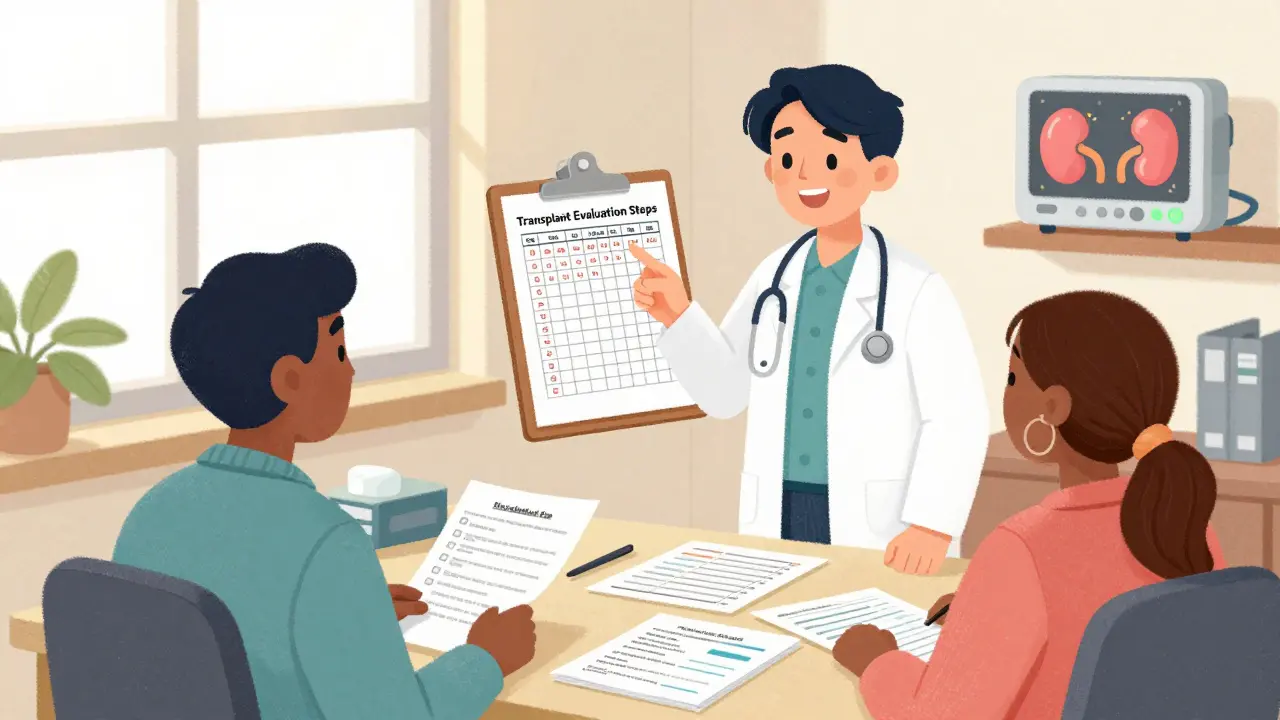
Preparing for a Kidney Transplant: Evaluation, Waitlist, and Living Donors
Learn how kidney transplant evaluation works, what gets you on the waitlist, and how living donors can shorten your wait. Know the medical, financial, and psychosocial steps-and what to do if you're denied.
25
Feb
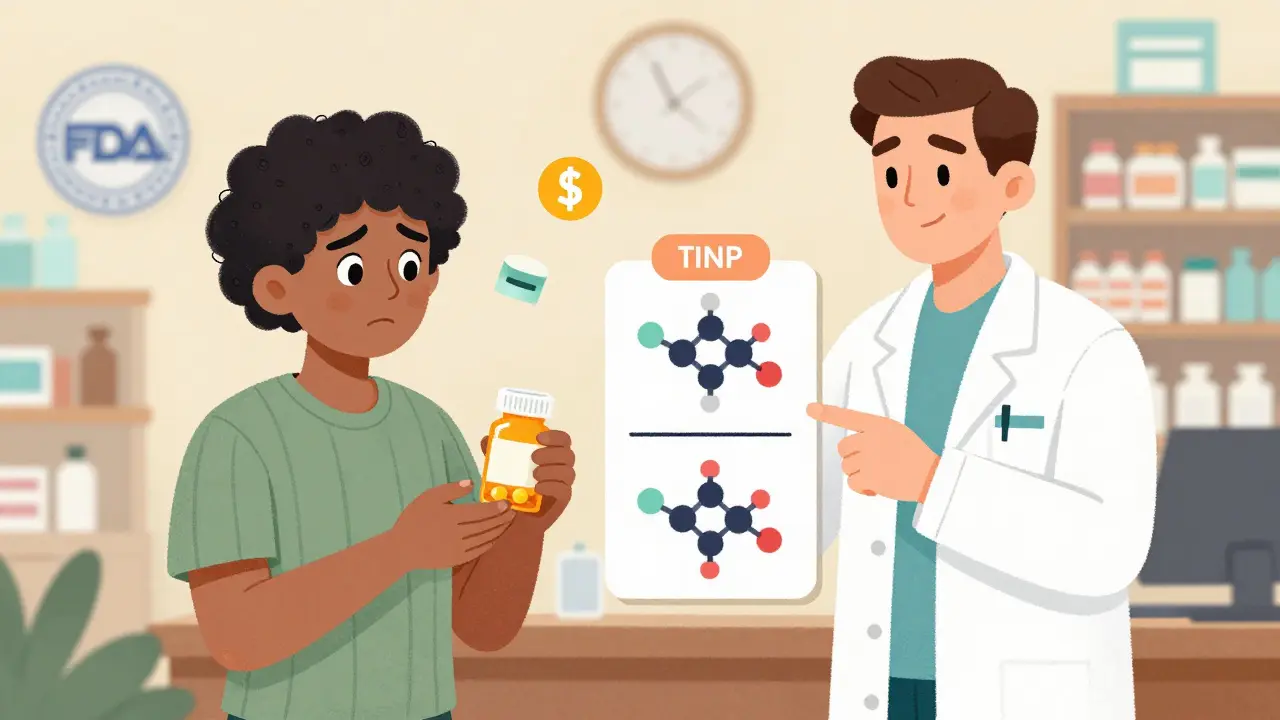
How to Build Patient Confidence in Generic Medications: Proven Strategies Based on Research
Learn how healthcare providers can build patient trust in generic medications using evidence-based communication. Discover why 90% of prescriptions are generics - and how to turn skepticism into confidence.
21
Feb
Why Generic Combination Products Improve Patient Compliance
Generic combination products simplify treatment by merging drugs and devices into one unit, improving adherence and cutting costs. Learn how they help patients stick to their regimens - and why education is key.
20
Feb
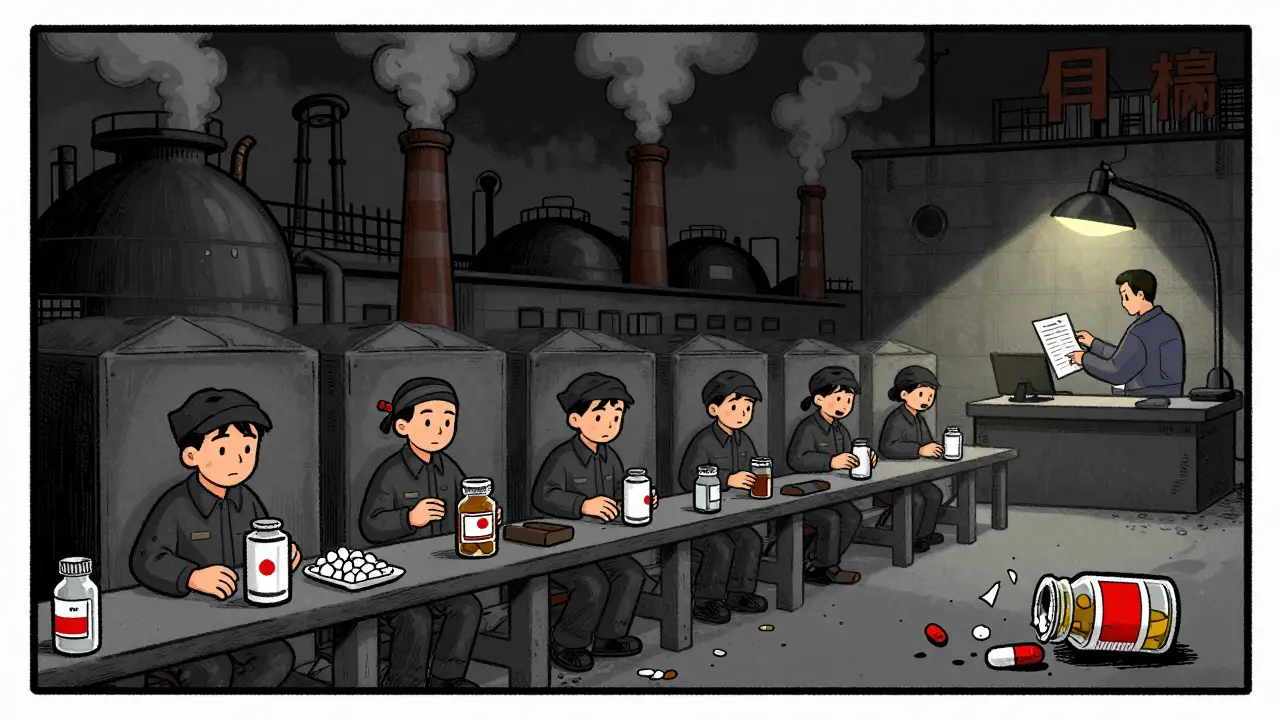
Foreign Manufacturing Issues: Quality Concerns in Overseas Production
Overseas manufacturing quality failures are rising, with 62% of U.S. drug recalls in 2024 tied to foreign plants. From material substitution to fake inspections, the risks are real - and preventable with better oversight.
11
Feb
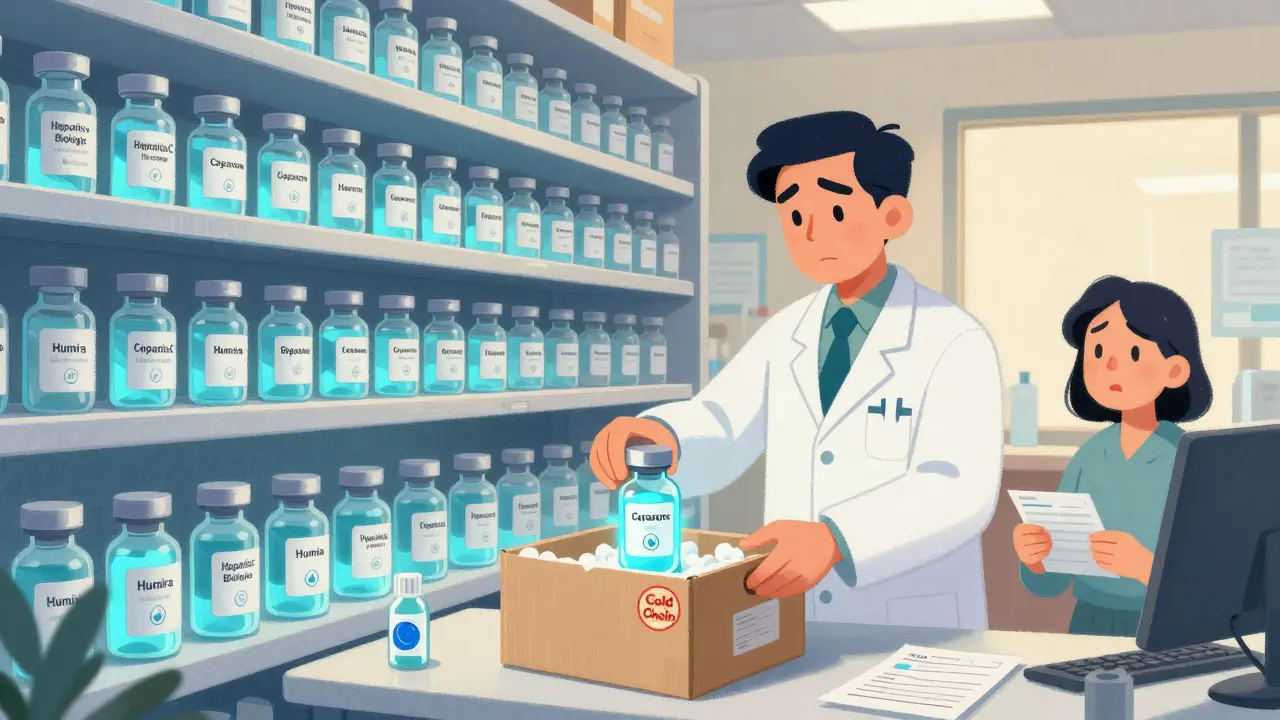
Specialty Pharmacy and Generics: Unique Practice Considerations for Pharmacists
Specialty pharmacy handles high-cost, complex drugs for chronic conditions. While generics offer major cost savings, their use in this space requires careful patient monitoring, supply chain management, and education - especially with biosimilars now entering the market.
7
Feb
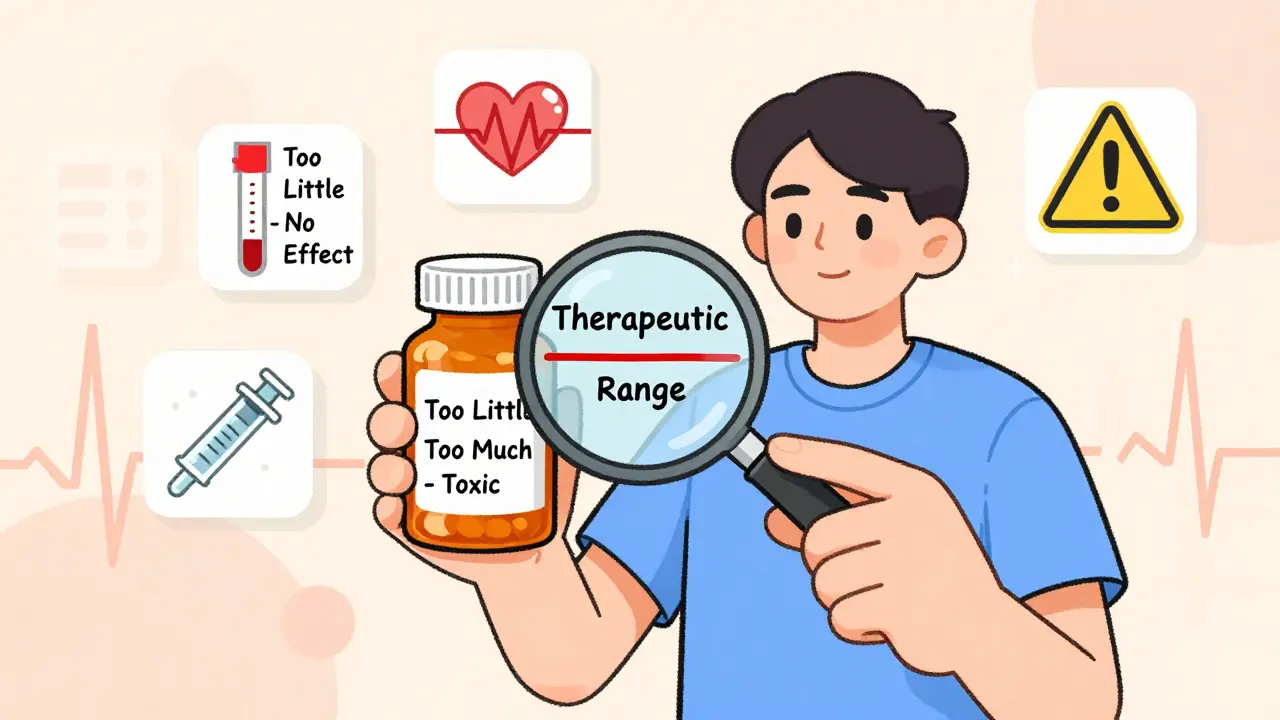
Narrow Therapeutic Index Drugs: What Patients Need to Know
Narrow therapeutic index drugs require extreme precision in dosing. Learn what they are, which common medications fall into this category, why generic switches can be risky, and how to stay safe with regular monitoring and consistent sources.
5
Feb
Insurer Pressure on Generic Drug Substitution: Provider Strategies and Challenges
Insurers push for generic drugs to cut costs, but providers face administrative hurdles and patient risks. Learn how doctors navigate prior auth, step therapy, and state laws to balance care and compliance.
4
Feb
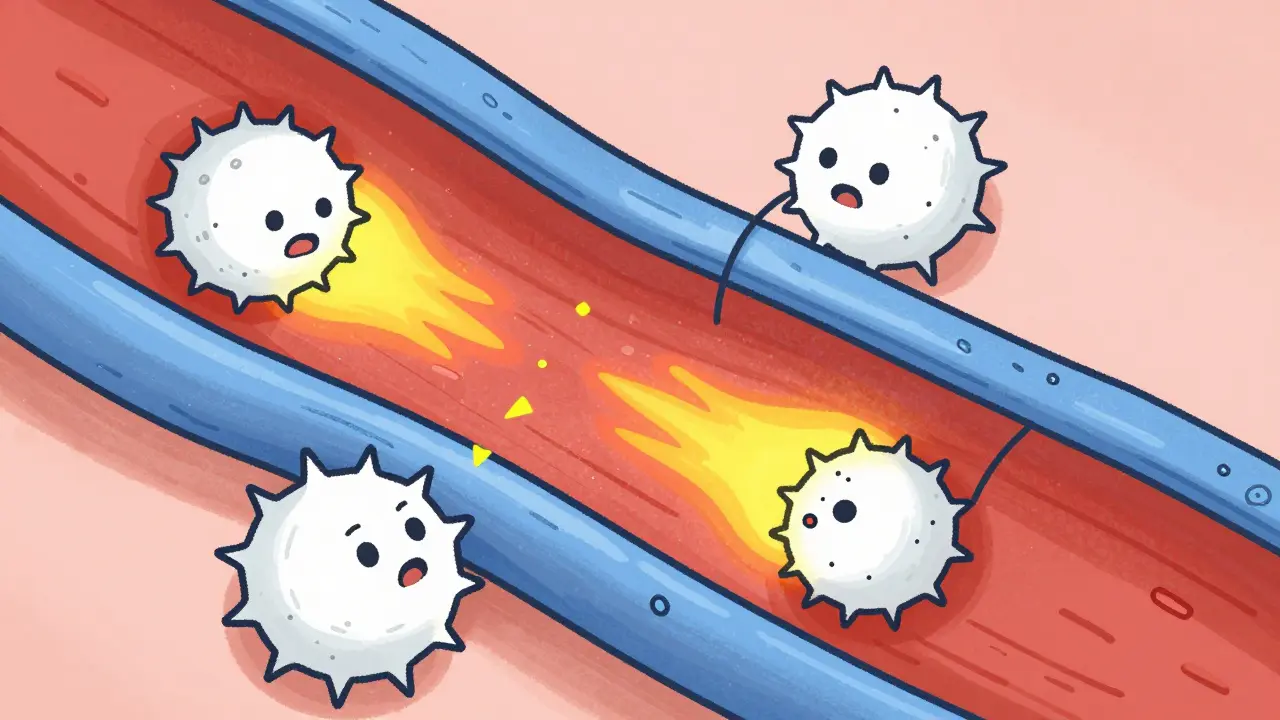
Vasculitis: Understanding Autoimmune Blood Vessel Inflammation
Vasculitis is a rare autoimmune condition causing inflammation in blood vessels, leading to organ damage. Learn about symptoms, diagnosis, and modern treatments for this serious disorder.
2
Feb
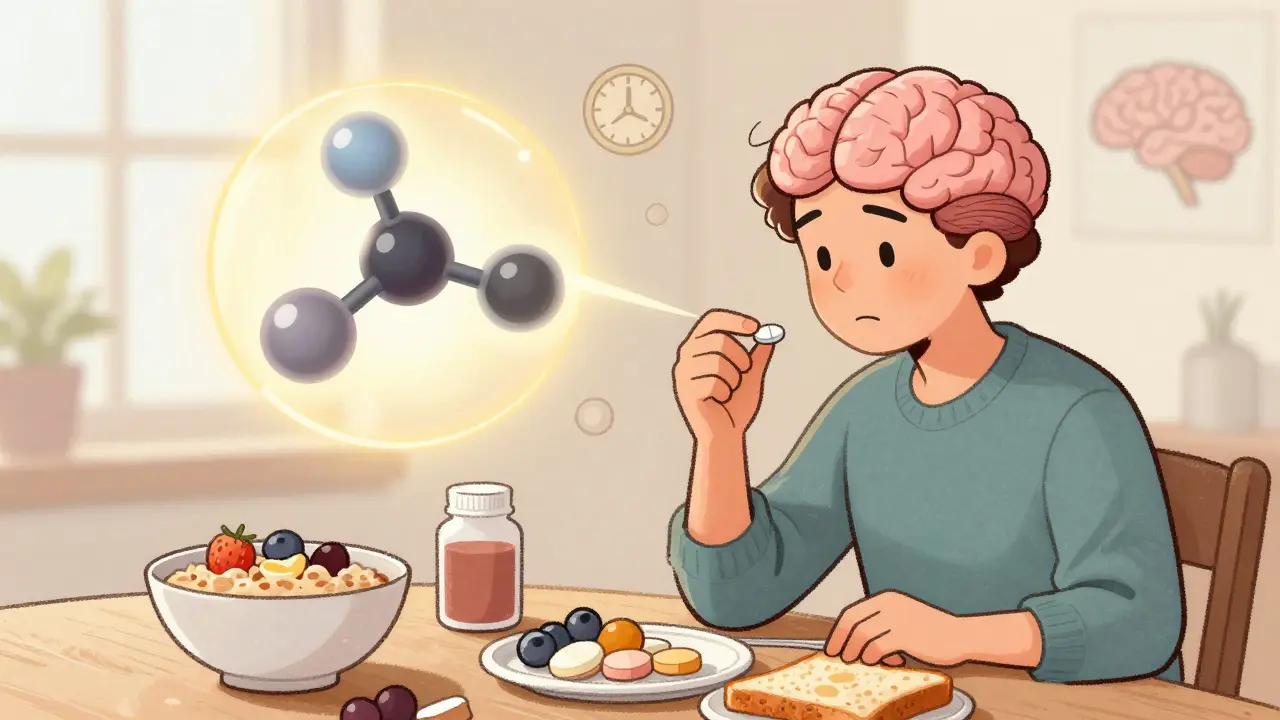
High-Protein Diets and Levodopa: How Food Affects Parkinson's Motor Control
High-protein meals can block levodopa from reaching the brain in Parkinson’s patients, causing unpredictable motor fluctuations. Learn how to adjust your diet to improve medication effectiveness and regain mobility.
1
Feb
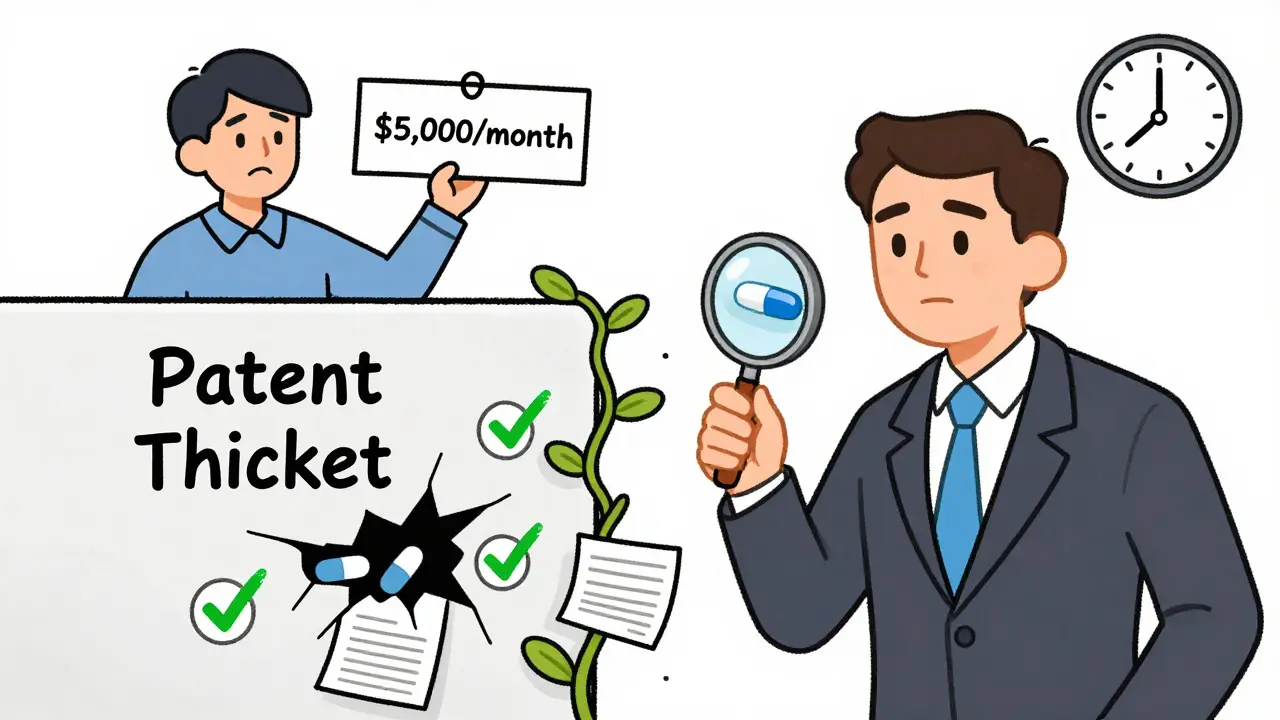
Evergreening: How Pharmaceutical Brands Stretch Patents to Block Generic Drugs
Evergreening lets drug companies extend patents on old medications through minor tweaks, blocking cheaper generics and keeping prices high. Learn how it works, who does it, and what it means for patients.
31
Jan
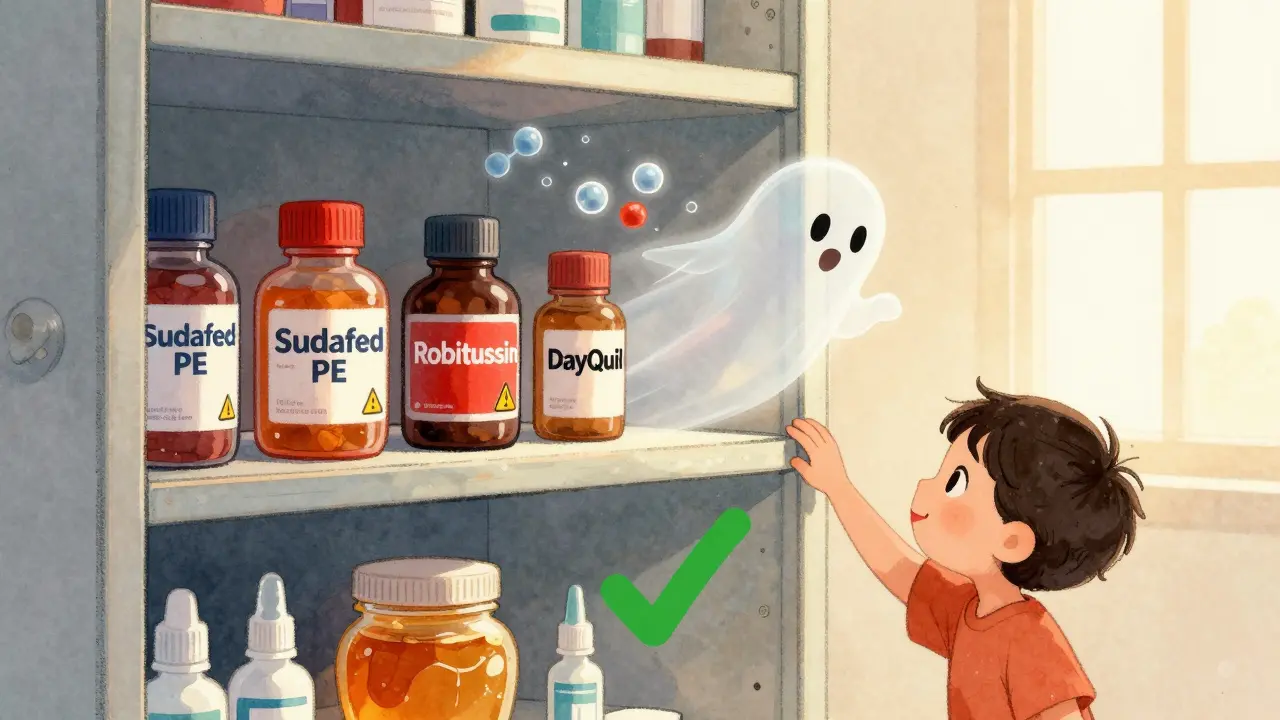
Cough and Cold Medicine Safety for All Ages: What Actually Works and What to Avoid
Many OTC cough and cold medicines don't work and can be risky, especially for kids. Learn which ingredients to avoid, what actually helps, and safer alternatives backed by science.