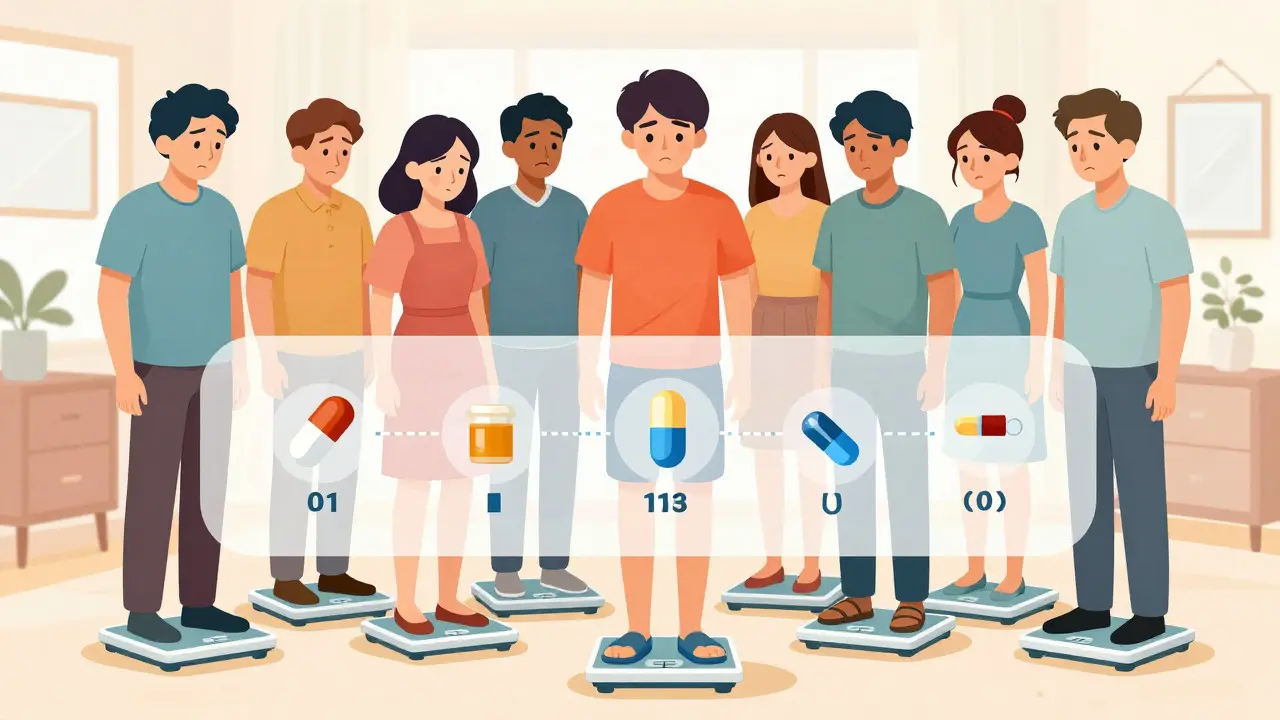
Medication Weight Impact Estimator
Configuration
Analysis & Recommendations
Configure your settings to see estimated weight impact.
This tool provides estimates based on clinical averages described in medical literature.Did you know that roughly one in four prescription medications carries the risk of changing your body weight? It is a frustrating reality for millions of people who are trying to manage chronic conditions while watching their waistlines expand or shrink unexpectedly. This phenomenon, known as medication-induced weight change, is not just about willpower or diet. It is a complex physiological response driven by how drugs interact with your brain, metabolism, and hormones. Understanding these mechanisms is crucial because untreated weight changes can lead to serious complications like type 2 diabetes, heart disease, and worsened mental health.
The issue was first systematically documented in the 1950s with early antipsychotics, but today it affects patients across nearly every medical specialty. According to data analyzed from the FDA's Adverse Event Reporting System, approximately 25% of U.S. prescriptions list weight change as a potential side effect. More alarmingly, research suggests that medication-induced weight gain contributes to about 15% of obesity cases in the United States. The good news? With proactive management, much of this unwanted weight fluctuation is preventable.
Why Medications Change Your Weight
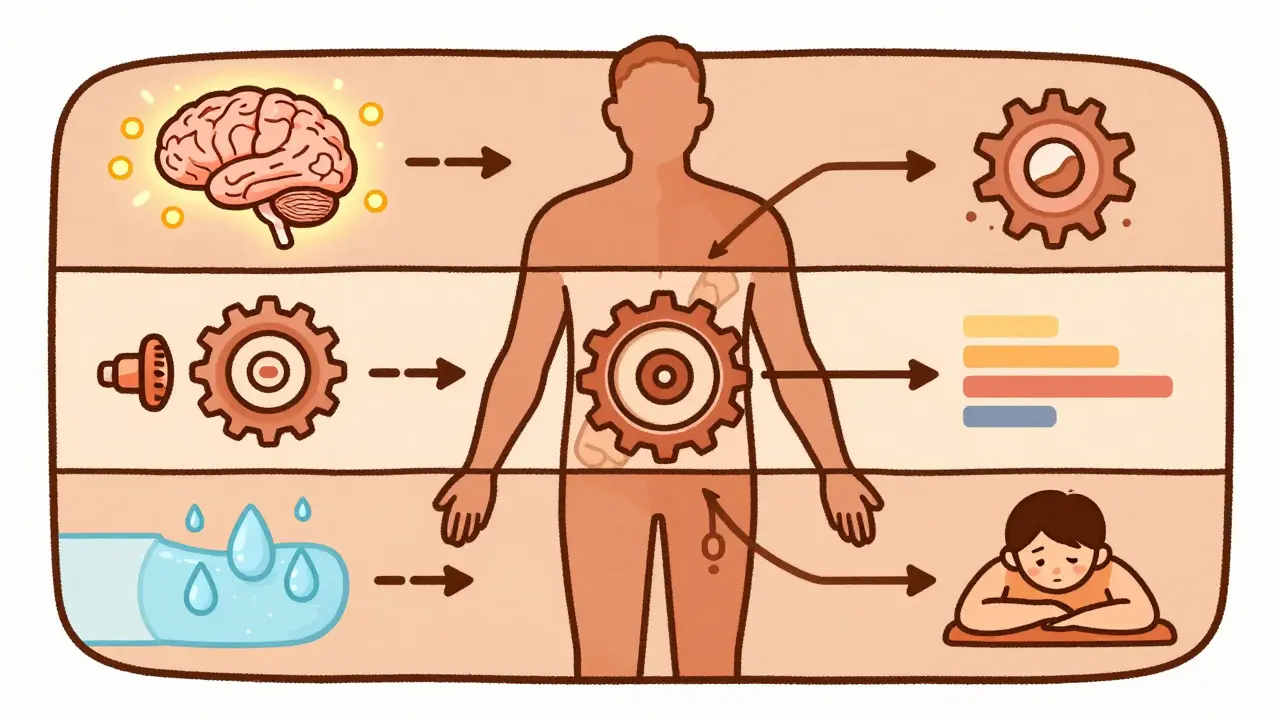
To manage weight changes effectively, you first need to understand why they happen. Drugs do not simply "make you fat" or "thin." They alter specific biological pathways. There are five primary mechanisms at play:
- Appetite Stimulation: Many psychiatric medications, particularly SSRIs and antipsychotics, affect serotonin receptors (specifically 5-HT2). A 2025 study in Archives of Clinical Biomedical Research found that chronic use of certain SSRIs leads to receptor desensitization in 78% of users, which can trigger intense cravings for carbohydrates.
- Fat Storage Activation: Diabetes medications like thiazolidinediones activate PPAR-γ receptors. These receptors signal your body to differentiate stem cells into fat cells (adipocytes), increasing fat storage capacity by 40-60%, according to a 2019 NCBI review.
- Slowed Metabolism: Beta-blockers, often prescribed for high blood pressure, reduce your resting metabolic rate. Data from the University of Rochester Medical Center shows propranolol can lower this rate by 8-10%, meaning you burn fewer calories even when sitting still.
- Fluid Retention: Corticosteroids like prednisone cause significant water retention. Patients often see 2-5 kg of rapid weight gain within the first month, which is mostly fluid, not fat.
- Reduced Physical Activity: Sedation is a common side effect of antipsychotics and some antidepressants. A 2022 Mayo Clinic study noted that daily step counts can drop by 1,200-2,500 steps due to fatigue, indirectly contributing to weight gain.
High-Risk Medication Classes: What to Watch For
Not all drugs affect weight equally. Some classes have a dramatic impact, while others are relatively neutral. Here is a breakdown of the most common culprits:
| Medication Class | Common Examples | Typical Weight Effect | Mechanism |
|---|---|---|---|
| Antipsychotics | Olanzapine, Clozapine | Significant Gain (4.5-6.0 kg in 10 weeks) | H1 and 5-HT2C receptor blockade |
| SSRIs | Paroxetine, Sertraline | Moderate Gain (2.5-3.5 kg at 12 months) | Serotonin modulation/cravings |
| Beta-Blockers | Propranolol, Atenolol | Mild-Moderate Gain | Reduced metabolic rate |
| Insulin/Sulfonylureas | Lantus, Glipizide | Moderate Gain (2-4 kg in year 1) | Increased glucose uptake/hypoglycemia |
| GLP-1 Agonists | Semaglutide, Liraglutide | Significant Loss (5-15% body weight) | Delayed gastric emptying/appetite suppression |
| Bupropion | Wellbutrin | Mild Loss (1.5-2.5 kg) | Norepinephrine/dopamine stimulation |
Notice the stark contrast between traditional antipsychotics like olanzapine and newer agents like aripiprazole, which causes minimal weight change (0.2-0.8 kg). Similarly, in diabetes care, switching from insulin to GLP-1 analogues has revolutionized outcomes, with trials showing up to 10 kg of weight loss alongside better blood sugar control.
The Hidden Costs: Beyond the Scale
Weight gain from medication is not just a cosmetic issue. It creates a vicious cycle. When a patient gains weight due to a necessary medication, they may feel discouraged, leading to poor adherence to their treatment plan. A 2023 Patient Experience Survey found that 73% of patients who maintained stable weight reported better compliance with their medication regimen compared to those who experienced significant fluctuations.
Furthermore, the physical risks are substantial. For patients with a BMI over 30, an additional 5 kg of weight gain increases cardiovascular risk by 12-18%, according to data from the Framingham Heart Study. Mental health impacts are also severe; 61% of patients experiencing medication-induced weight gain report decreased self-esteem. This highlights why doctors must balance therapeutic efficacy with metabolic safety.
Proactive Management Strategies
You do not have to accept weight change as an inevitable side effect. Experts recommend a multi-faceted approach starting before you even take the first pill.
- Baseline Assessment: Before starting any new long-term medication, record your current weight, BMI, and waist circumference. This provides a clear reference point.
- Risk Stratification: Ask your doctor about the metabolic profile of your prescribed drug. Tools like the Liverpool University Drug Interaction Group’s algorithm can predict weight gain risk with 87% accuracy. If you are high-risk, discuss alternatives.
- Early Monitoring: Weigh yourself monthly during the first six months of treatment. The Endocrine Society recommends intervention if you gain more than 2.5 kg (5.5 lbs) in this period.
- Dietary Adjustments: If your medication increases cravings, focus on high-protein, high-fiber foods to promote satiety. Limit liquid calories and processed sugars, which are harder to resist when appetite signals are chemically altered.
- Movement Modification: If sedation is an issue, shift exercise to times of day when you feel most alert. Even short, frequent walks can counteract the reduction in daily step count.

When to Switch Medications
Sometimes, lifestyle changes are not enough. Dr. Caroline Apovian from Boston University School of Medicine notes that strategic drug selection can prevent 50-70% of clinically significant weight increases. If you have gained more than 5% of your body weight despite diligent effort, it is time to talk to your provider.
Do not stop taking your medication abruptly. Instead, ask about "weight-neutral" alternatives. For example:
- If paroxetine is causing weight gain, bupropion or fluoxetine might be considered for depression.
- If olanzapine is problematic, aripiprazole or lurasidone may offer similar psychiatric benefits with less metabolic impact.
- If insulin is driving weight gain, adding a GLP-1 agonist like semaglutide can help offset the weight while improving glycemic control.
The Future: Personalized Medicine
We are moving toward a future where genetics guide prescription decisions. Pharmacogenomic testing, such as the Mental Health Map panel, can now predict weight gain risk with 79% accuracy by analyzing genes like HTR2C. The NIH’s $150 million Medication-Weight Initiative aims to develop ten weight-neutral alternatives for common drugs by 2029. While this technology is not yet standard everywhere, asking your doctor about genetic predispositions to metabolic side effects is becoming a reasonable part of modern healthcare.
How quickly does medication-induced weight gain occur?
The timeline varies by drug class. Steroids like prednisone can cause rapid fluid-based weight gain within the first few weeks. Antipsychotics and SSRIs typically show gradual fat accumulation over 3 to 6 months, with significant changes often visible by the 12-month mark. Early monitoring in the first 6 months is critical for detection.
Can I lose the weight after stopping the medication?
In many cases, yes. Once the medication is discontinued or switched, the physiological drivers for weight gain (such as increased appetite or slowed metabolism) subside. However, returning to pre-medication weight often requires active dietary and exercise efforts, as habits formed during the weight-gain period may persist.
Are there any medications that cause weight loss?
Yes. GLP-1 receptor agonists (like semaglutide and liraglutide) are primarily used for diabetes but are highly effective for weight loss. Additionally, bupropion (an antidepressant) and topiramate (an anti-seizure medication) are associated with modest weight loss. Always consult your doctor before using these for weight management purposes.
Should I avoid necessary medications because of weight gain risks?
Generally, no. Untreated conditions like depression, schizophrenia, or diabetes pose far greater health risks than moderate weight gain. The goal is not to avoid treatment but to choose the most metabolically friendly option available and manage weight proactively through diet, exercise, and regular monitoring.
What is pharmacogenomic testing for weight gain?
Pharmacogenomic testing analyzes your DNA to see how your body processes specific drugs. Variants in genes like HTR2C can predict a higher likelihood of weight gain with certain antipsychotics. This allows doctors to prescribe medications that are both effective and less likely to cause metabolic side effects for your specific biology.