When you pick up a generic prescription, you expect it to work just like the brand-name version. But what if an invisible threat compromised its safety? Generic drug contamination is a real risk that affects millions of patients every year, stemming from complex global supply chains and manufacturing challenges. Understanding how these risks arise-and how they are prevented and managed-is crucial for anyone relying on affordable medications.
The U.S. Food and Drug Administration (FDA) defines cross-contamination in pharmaceuticals as the undesired introduction of impurities, whether chemical or microbiological, into a drug product. This can happen during manufacturing, packaging, or even storage. With generic drugs accounting for 90% of all prescriptions dispensed in the United States, the stakes are high. In 2022 alone, contamination-related issues led to 22% of all drug recalls, with 37% of those specifically affecting generic products. That’s not just a statistic; it’s a reminder that vigilance is essential.
Why Generic Drugs Face Unique Contamination Challenges
Generic drugs must meet the same quality standards as their brand-name counterparts, but they often operate under tighter financial constraints. On average, generic manufacturers see profit margins of 20-25%, compared to 60-70% for innovator companies. This gap can limit investments in advanced quality control systems. For instance, FDA inspection data from 2022 showed that 8.3% of generic manufacturing facilities received observations for contamination control issues, versus only 5.1% for innovator facilities.
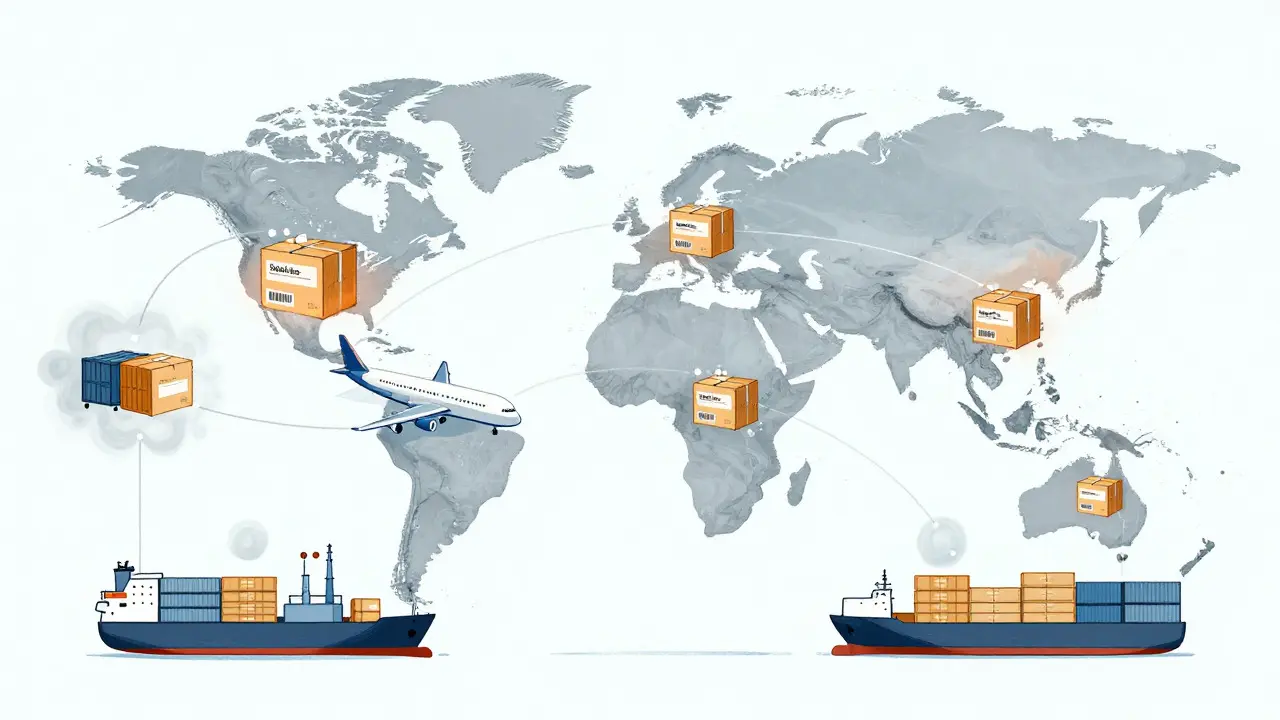
Geography plays a significant role too. About 80% of active pharmaceutical ingredients (APIs) for U.S. drugs are manufactured overseas, primarily in India and China. While this keeps costs down, it introduces additional layers of complexity in the supply chain. Indian generic manufacturers, for example, faced 12.7% contamination-related observations in 2022 FDA inspections, compared to 6.4% for U.S.-based facilities. However, some generic companies have turned the tables. Teva Pharmaceuticals’ facility in Bologna, Italy, reduced cross-contamination incidents by 78% between 2018 and 2022 by implementing closed manufacturing systems. These examples show that while risks exist, effective solutions do too.
Common Sources of Contamination
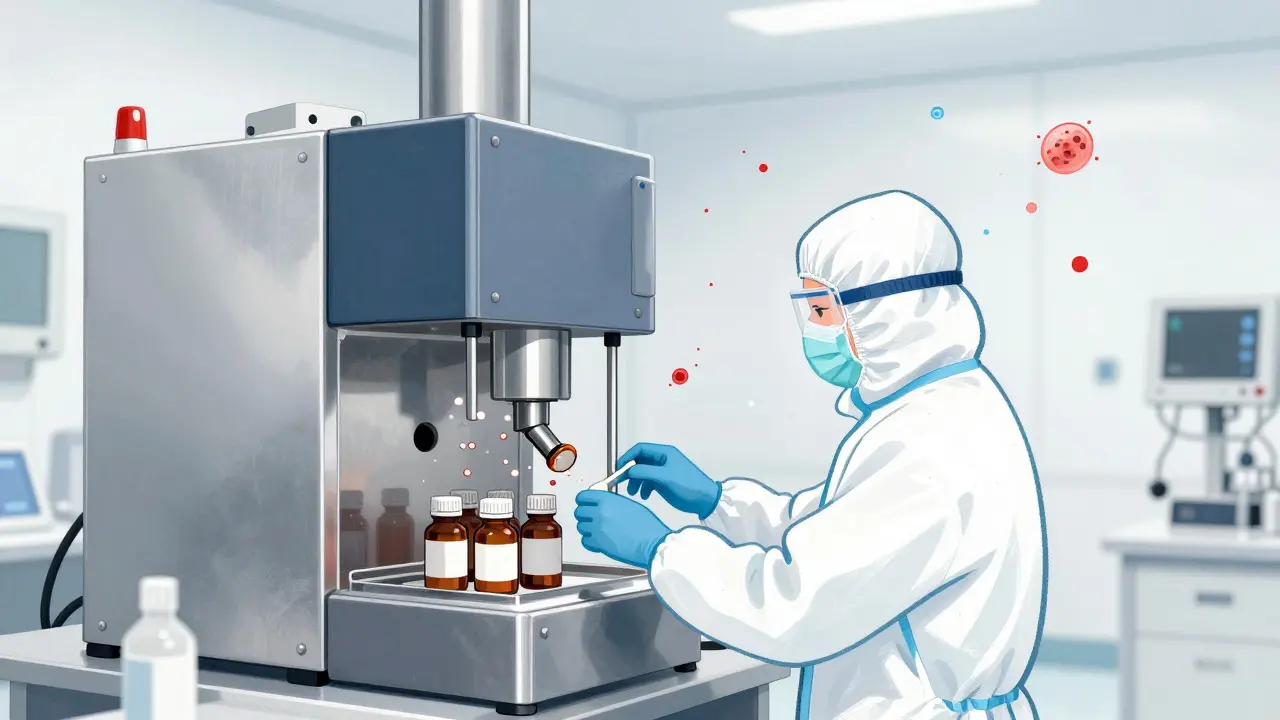
Contamination doesn’t always come from obvious places. In fact, personnel are responsible for 75-80% of particles in pharmaceutical cleanrooms. A single person can shed approximately 40,000 skin cells per minute and generate over 100,000 particles larger than 0.3 microns while standing still. That’s why strict gowning procedures and environmental monitoring are critical.
Specific processes also pose risks. Piercing drug vial septa with needles accounts for 62% of hazardous drug contamination incidents, while withdrawing needles from vials contributes to 41%. Breaking ampules adds another 28%. These numbers highlight how small actions during handling can lead to significant problems. Microbial contamination is another concern. For non-sterile oral dosage forms, the United States Pharmacopeia (USP) sets limits at no more than 1,000 colony-forming units (CFU) per gram for total aerobic microbes and 100 CFU per gram for yeast and mold. Exceeding these thresholds can compromise both safety and efficacy.
Prevention Strategies That Work
Preventing contamination starts with Good Manufacturing Practices (GMP). These guidelines require rigorous facility design, cleaning validation, and personnel training. For non-sterile manufacturing, environments must meet ISO Class 8 standards, while sterile products demand ISO Class 5 conditions. Cleaning validation protocols must prove that residue from previous products is removed to levels below 10 parts per million (ppm), verified through swab testing with 95% confidence intervals.
Personnel training is equally important. GMP Standard Operating Procedures (SOPs) mandate 8-12 hours of initial contamination prevention training for each employee, followed by annual refreshers. Real-world success stories back this up. Mylan’s Morgantown facility cut contamination incidents by 82% between 2019 and 2022 by introducing real-time particle monitoring and enhanced gowning protocols. These aren’t theoretical fixes-they’re proven strategies that deliver results.
| Measure | Impact on Risk Reduction | Cost Estimate |
|---|---|---|
| Closed Isolator Systems | 78% reduction in cross-contamination | $500,000-$2 million per line |
| Real-Time Particle Monitoring | 82% incident reduction | $2-5 million for medium facilities |
| Rapid Microbiological Testing | Detection time reduced from 7 days to 4 hours | Varies by system |
Responding to Contamination Incidents
Even with the best prevention efforts, accidents happen. When they do, swift action is key. The FDA’s MedWatch system allows patients, pharmacists, and healthcare providers to report potential issues. Between 2020 and 2022, 1,247 reports of possible generic drug contamination were filed, with 387 linking to adverse events. One documented case involved a patient developing severe dermatitis from contaminated generic hydrocortisone cream, reported in July 2021.
Once an issue is confirmed, mandatory recall procedures under 21 CFR Part 7 kick in. The economic impact can be staggering. On average, contamination-related recalls cost manufacturers $18.7 million per incident. The 2018-2019 valsartan crisis serves as a stark example. Nitrosamine impurities affected 22 generic manufacturers across eight countries, leading to 2,317 product recalls and $1.2 billion in economic losses. This event prompted the FDA to implement mandatory nitrosamine testing for all sartan-class drugs starting January 1, 2023.
Technological Advances in Detection and Prevention
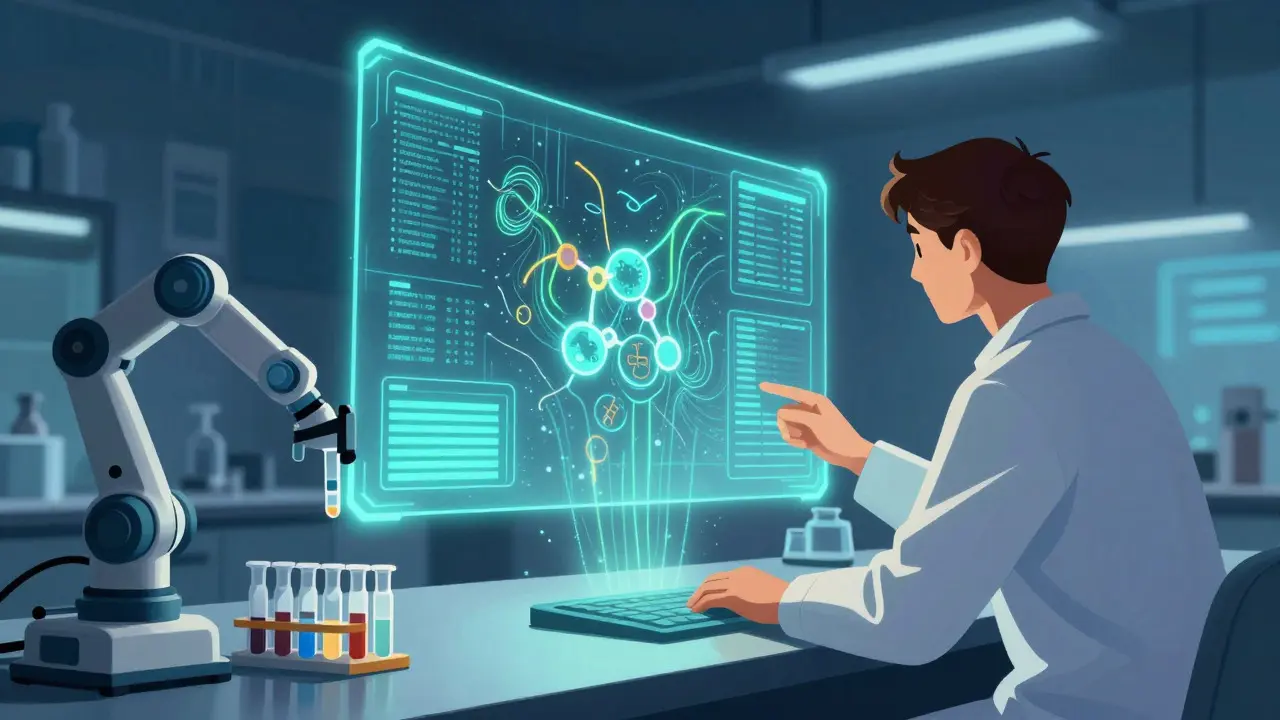
Technology is changing the game. Rapid microbiological methods now reduce contamination detection time from seven days to just four hours. By 2022, 63% of top generic manufacturers had adopted some form of rapid testing. The FDA’s PREDICT system, used for import compliance, flags 37% more potentially contaminated shipments than its predecessor, with 8.2% requiring additional testing.
Looking ahead, the FDA plans to deploy AI-powered environmental monitoring systems in 2024. These tools will analyze over 15,000 data points per facility to predict contamination risks with 89% accuracy. Industry analysts project that such advancements could cut contamination-related recalls by 40% by 2027. While supply chain complexity will keep baseline risks present, the trajectory is clearly toward greater safety and transparency.
What Patients and Pharmacists Can Do
You don’t need a lab coat to play a role in keeping medications safe. If you notice anything unusual about your pills-unusual colors, odors, or textures-report it via the FDA’s MedWatch program. Pharmacists face their own challenges. A 2022 survey by the National Community Pharmacists Association found that 63% of independent pharmacists lack resources to conduct independent contamination testing. Still, staying informed and vigilant helps catch issues early.
Hospital pharmacists are on the front lines too. An American Society of Health-System Pharmacists (ASHP) survey revealed that 28% have encountered potentially contaminated generics, with 14% of those cases resulting in patient harm. Sharing experiences and maintaining open communication with manufacturers and regulators strengthens the entire safety net.
Are generic drugs less safe than brand-name versions?
Not inherently. Both must meet identical FDA quality standards. However, generic manufacturers often operate with narrower profit margins, which can affect quality control investments. That said, many generic companies have implemented superior contamination controls, proving that safety depends more on process than origin.
What should I do if I suspect my medication is contaminated?
Report it immediately through the FDA’s MedWatch system. Keep the packaging and any remaining medication if possible. Your pharmacist or doctor can help assess the situation and guide next steps.
How common are contamination-related drug recalls?
In 2022, contamination accounted for 22% of all drug recalls in the U.S., with 37% of those affecting generic drugs. While not rare, improved technology and regulation are steadily reducing the frequency and severity of these events.
Do overseas-manufactured generics carry higher risks?
They can, due to longer supply chains and varying regulatory environments. In 2022, Indian facilities had 12.7% contamination-related observations compared to 6.4% for U.S. facilities. However, individual company practices matter more than geography-some overseas plants outperform domestic ones.
What new technologies are improving drug safety?
Rapid microbiological testing cuts detection time from days to hours. AI-powered environmental monitoring predicts risks with high accuracy. Closed isolator systems minimize human exposure. Together, these innovations are making the supply chain more transparent and safer for patients.